Best Things to Do in the Smoky Mountains on Your First Trip
Overwhelmed by the Smoky Mountains options? This first timer guide cuts through the noise with the hikes, drives, waterfalls, and wildlife spots actually worth your time, plus honest notes on crowds, difficulty, and seasons.
Planning Your First Trip Without the Overwhelm
Planning your first trip to the Smoky Mountains is exciting until you start reading the options. Hikes, scenic drives, waterfalls, wildlife, Gatlinburg, Pigeon Forge. Suddenly a family vacation feels like a research project.
This guide covers the things to do in Smoky Mountains that are actually worth your time, especially for families with kids or mixed fitness levels. You will get honest difficulty notes on every hike, the truth about fall crowds and winter road closures, and a simple way to plan three perfect days.
Drive Newfound Gap Road on Day One
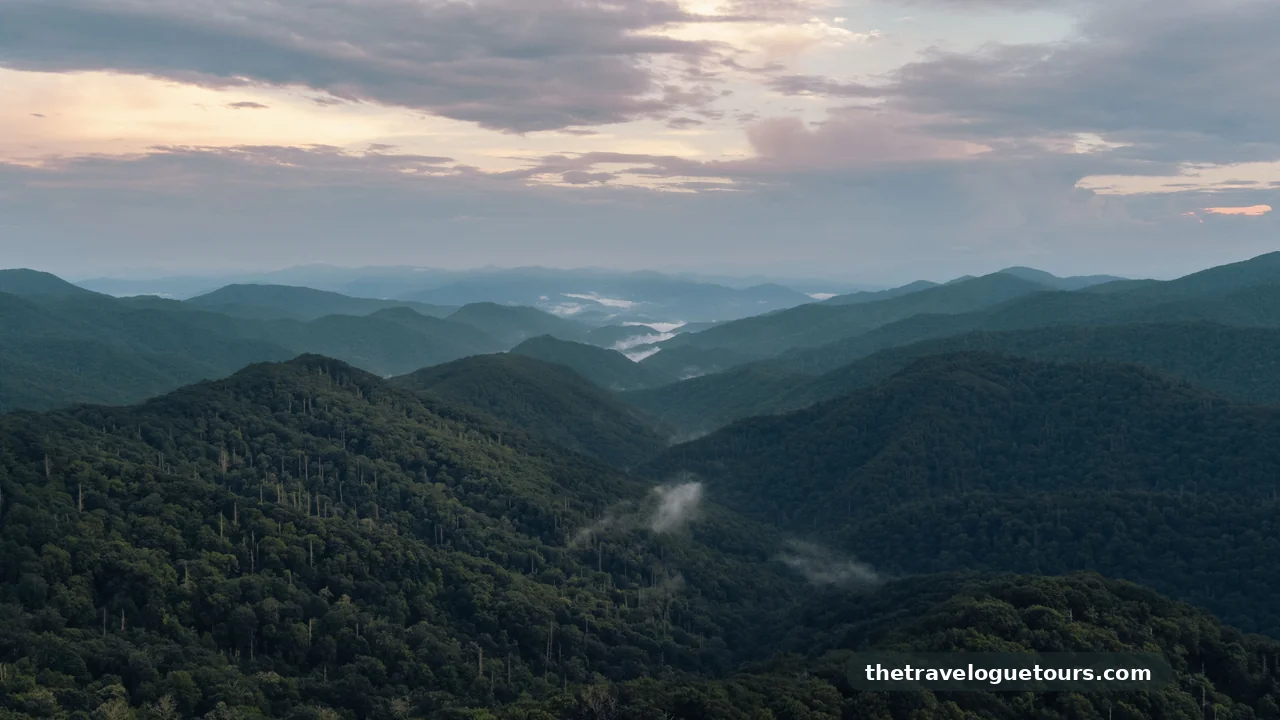
Newfound Gap Road is the 33 mile spine of the park, and it is the single best introduction to the Smokies. You can drive from Gatlinburg all the way to Cherokee, North Carolina, stopping at overlooks where layer after layer of blue ridges fades into the distance. The famous smoke is just water vapor rising off the dense forest, and on a humid morning you can watch it form in real time.
Newfound Gap itself sits at 5,046 feet on the Tennessee North Carolina state line, and it is worth a stop for the family photo alone. From here, the steep half mile paved path to the Clingmans Dome observation tower climbs to 6,643 feet, the highest point in Tennessee. The walk is short but genuinely steep, so take it slow and let the kids set the pace.
Road conditions change fast up here. Check the National Park Service website for current closures and alerts before you head out, because Newfound Gap Road and Clingmans Dome Road close for snow and ice in winter.
Hikes That Are Actually Worth Your Energy
Laurel Falls is the trail almost every family ends up on, and it earns its popularity. The 2.6 mile round trip follows a paved path to an 80 foot waterfall that is pretty in every season. It gets very crowded by midday, so go before 9 AM or late in the afternoon.
Alum Cave to Arch Rock is the next step up at 2.3 miles round trip. You will pass through a massive natural stone arch and along a narrow ledge with cable handrails, which kids over eight tend to find thrilling rather than scary. Save the full 11 mile Alum Cave to Mount Le Conte climb for a future trip unless everyone in your group is an experienced hiker.
If hiking is new for your family, our guide to the top 10 hiking trails in the world for beginners and experts will help you build skills and confidence before you tackle anything bigger. Start with the shortest option on this list and you will enjoy the Smokies far more than if you overreach on day one.
Spend One Morning in Cades Cove
Cades Cove is an 11 mile one way loop through a broad valley of meadows, historic cabins, and old churches. White tailed deer and wild turkeys are almost guaranteed, and black bears wander through regularly in spring and early summer.
The single best move you can make in the Smokies is arriving at Cades Cove before 8 AM. The light is beautiful, the animals are active, and you beat the bumper to bumper traffic that builds by late morning.
From early May through late September, the loop is closed to cars on Wednesday and Saturday mornings for cyclists and walkers. The walks to the cabins are short and flat, so even young kids can handle them easily.
Chase Waterfalls the Easy Way
The park holds more than 100 waterfalls, but most require long serious hikes. Grotto Falls is the friendliest of the famous ones, a 2.6 mile round trip on the Trillium Gap Trail that lets you walk behind the falling water. The trailhead also has one of the prettiest old growth forest sections in the park.
Abrams Falls sits deeper inside Cades Cove, and the 5.2 mile round trip is moderate with real elevation change on the way back. It is a great pick for a day when everyone has energy. Bring more water than you think you need, because the return climb is where families get tired.
Gatlinburg vs Pigeon Forge: An Honest Take
Gatlinburg is a mountain town pressed right against the park entrance, full of pancake houses, candy shops, and the SkyBridge. Pigeon Forge is the bigger and flashier strip of dinner shows, go karts, and outlet malls a few miles down the road.
Neither town is inside the national park, and honestly, both are optional. One evening wandering Gatlinburg is plenty for most families, and you can skip Pigeon Forge entirely without missing anything essential to the Smokies experience.
If you want event calendars, lodging ideas, and trip planning help for the Tennessee side, the official Tennessee tourism website is a solid starting point.
Seasons: When to Go and What to Watch For
Mid to late October brings the famous fall color, and with it the biggest crowds of the year. Book your lodging months ahead for October, and expect full parking lots at popular trailheads by mid morning.
Winter is quiet and magical, but Newfound Gap Road and Clingmans Dome Road close for snow and ice and can stay closed into March or April. Summer is lush and green, but afternoon thunderstorms build fast, so start hikes early and always pack rain gear.
Where to Stay and What to Pack
Gatlinburg puts you minutes from the Sugarlands park entrance, while Townsend on the quieter west side is cheaper and calmer. Renting a cabin with a hot tub is the classic Smoky Mountains splurge, and after a full day of hiking it feels completely justified.
If the budget is tight, our guide to how to plan a trip on a budget will help you cut costs on lodging and food without cutting the fun. Staying in Townsend or Cherokee instead of Gatlinburg is one of the easiest ways to save.
Pack layers no matter the season, because temperatures at the high elevations run 10 to 20 degrees cooler than in town. Our travel essentials checklist covers the items families always forget, from real rain jackets to a basic first aid kit.
Things to Do in Smoky Mountains: Your Simple Three Day Plan
The park is free to enter, though you now need a parking tag to leave your car anywhere in the park for more than 15 minutes. Buy the tag online before your trip and you will skip the line at the visitor centers.
Three days is enough to enjoy the best things to do in Smoky Mountains without rushing. Do one scenic drive, one morning in Cades Cove, and one waterfall hike, and leave the rest for the return trip you will start planning on the drive home.
Smoky Mountains FAQs
Do you need a reservation to enter Great Smoky Mountains National Park?
No, there is no timed entry system and entrance is free. You do need a parking tag to park anywhere in the park for more than 15 minutes, which you can buy online or at visitor centers. Check current road and facility alerts before your visit.
How many days do you need in the Smoky Mountains?
Three full days is the sweet spot for a first trip. That gives you one day for Newfound Gap Road and Clingmans Dome, one morning for Cades Cove plus an afternoon waterfall hike, and one flexible day. Anything less feels rushed, and anything more lets you slow down and explore.
What is the best month to visit the Smoky Mountains?
Late October has the most famous fall color, but also the heaviest crowds and highest lodging prices. Late April and May bring wildflowers and waterfalls at full flow with far fewer people. Winter is quiet and cheap, but high elevation roads can close for snow.
Is Clingmans Dome worth it with kids?
Yes, the half mile paved path to the tower is short enough for most kids, though it is steep enough that you should take breaks. The 360 degree view from the top is the best in the park on a clear day. Note that the road to the trailhead closes in winter, typically December through March.
Will we see bears in the Smoky Mountains?
There is a good chance, especially on a morning drive through Cades Cove in spring or early summer. Keep a safe distance of at least 50 yards, never feed wildlife, and store food properly. Seeing a bear from your car at a respectful distance is one of the classic Smoky Mountains memories.