
Your Sahara Desert Expedition, Planned Right
You have seen the photos a hundred times. A line of camels crosses orange dunes at sunset, and the night…
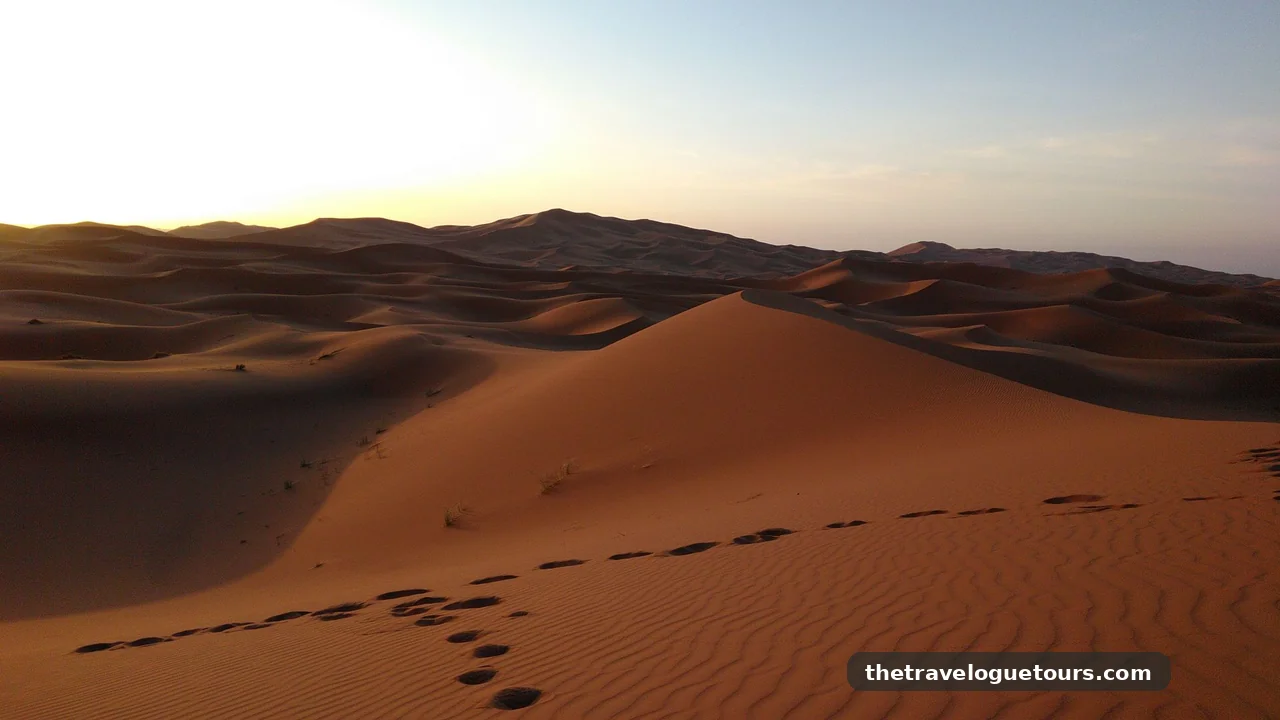
You have seen the photos a hundred times. A line of camels crosses orange dunes at sunset, and the night sky is so full of stars it looks unreal. The Sahara makes a promise most places cannot keep, and it mostly keeps it.
But between you and that sunset sits a stack of real decisions. Which town to leave from, which month to trust, which tour company deserves your money, and how much water is enough when the sand burns through your shoes.
This guide walks through all of it in order. Routes, seasons, camp nights, operators, packing, safety, and the honest downsides nobody mentions in the brochures.
Your three gateways: Merzouga, M’Hamid, and Erg Chigaga
Nearly every Sahara trip in Morocco leaves from one of three places. Merzouga sits beside Erg Chebbi, the most famous dune field, and it is the easiest to reach with the tallest dunes.
M’Hamid is smaller and wilder, a day further from the crowds, and the launch point for Erg Chigaga. Chigaga itself is the most remote option, reached by 4×4 over old caravan tracks, and it feels genuinely empty in a way Merzouga no longer does.
Pick Merzouga if this is your first desert trip and you want the classic experience with the least friction. Then build the rest of your week around it with a proper 7-day Morocco route that does not rush the desert leg.
Most travelers arrive by overnight bus or organized transfer from Marrakech, which takes 9 to 12 hours, or by flying into Errachidia and driving south. Budget at least 3 days for the desert leg: one to get there, one for the dunes and the camp, and one to leave.
Morocco’s official tourism portal lists desert experiences by region and season, which is a useful cross-check when a tour company’s itinerary sounds vague. Visit Morocco also publishes practical notes on reaching the southeastern towns that serve as the desert gateways.
When to go: seasons, heat, and the truth about winter
October through April is the comfortable window. Days are warm, nights are cold but bearable, and the dunes look their best in the low golden light.
May and September are shoulder months and can work, but midday heat climbs fast and afternoon activities get uncomfortable. June through August is genuinely dangerous for casual visitors, with ground temperatures far beyond what a city summer prepares you for.
Winter brings the coldest nights, sometimes near freezing, and many budget camps skimp on bedding. A warm sleeping bag matters more in January than sunscreen does at noon, so match the month to your tolerance as this guide to choosing a destination by season explains in more detail.
One more timing note: the dunes photograph best in the hour after sunrise and the hour before sunset. Plan your camel ride around those hours, not around whatever schedule is convenient for the camp.
What a night in a desert camp is actually like
You will ride out on a camel for about an hour before sunset, climbing higher with every dune. The guides time it so you reach the camp just as the light turns the sand copper.
Dinner is usually tagine or grilled meat eaten communally on low cushions, followed by drumming around a fire. The music is real, the Berber songs are real, and then the silence takes over.
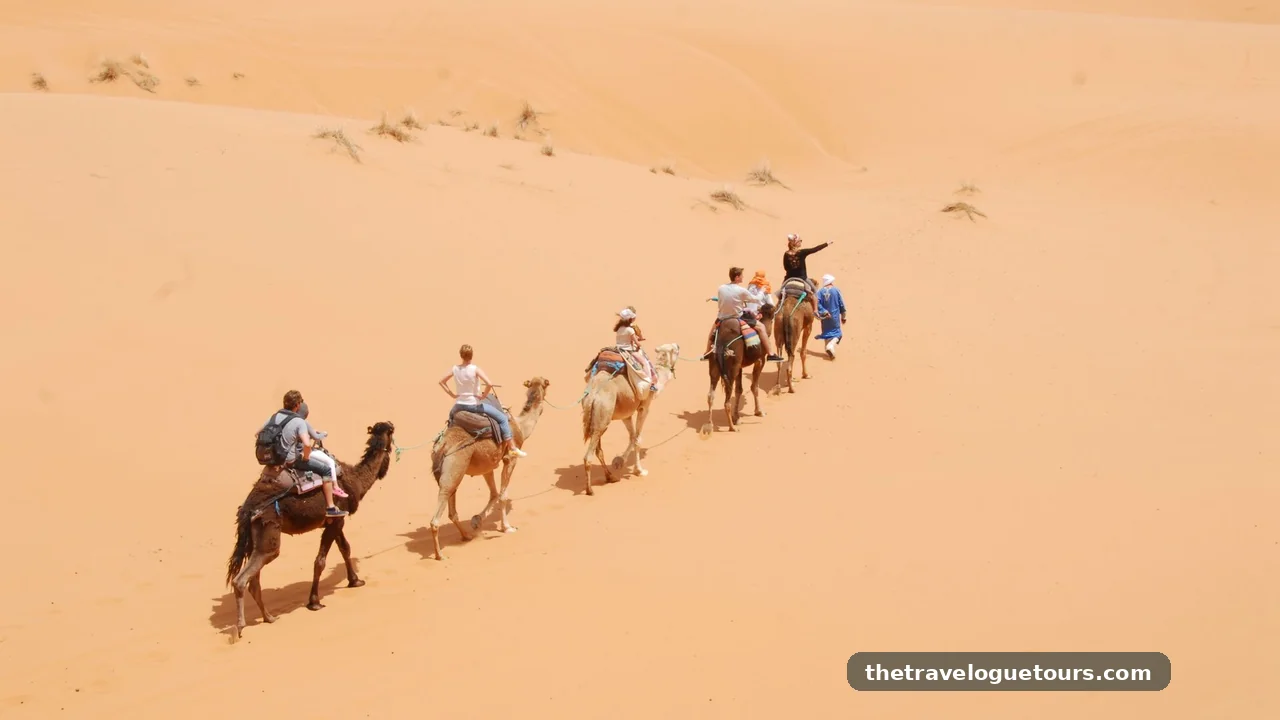
That silence is the part nobody describes well. With no towns for miles, the night sky is absurdly bright, and the only sounds are the wind and the occasional camel shifting in the dark.
Luxury camps give you a real bed, an attached bathroom, and thick blankets. Budget camps give you a mattress on the ground and a shared toilet tent, and the price difference is usually worth paying.
Sleep comes easy until the cold wakes you around 3 a.m., so keep your layers within arm’s reach. Wake before dawn, because the sunrise over the dunes is quieter and more beautiful than the sunset.
Choosing an operator and avoiding the scams
Book with a company that names its camp, shows real photos of the actual tents, and answers questions about group size. Vague promises and stock photography are red flags every time.
The classic scam is the bait and switch: you pay for a luxury camp and arrive at a row of thin tents with no working toilet. Confirm the camp name in writing before you pay any deposit, and save that message.
Prices far below the going rate usually mean hidden costs, forced shopping stops at carpet cooperatives, or a rushed half-night instead of a full one. Get the full itinerary in writing, hour by hour, and read up on the common tourist scams abroad before you hand over any money.
Independent travelers can book camps directly through their guesthouse in Merzouga or M’Hamid, which often beats the Marrakech package prices. Before you commit, check the current UK travel advice for Morocco, which covers safety, local laws, and the areas near the border you should avoid.
Solo travelers do fine on group departures, which run most nights in season. If you want a private camp, book weeks ahead, because the good ones fill first and the bad ones are always available.
What to pack for the dunes
Bring a headlamp, because you will need your hands free on the camel and the camp paths are dark. A warm mid-layer and a light windbreaker cover the temperature swing from afternoon to midnight.
Pack sunscreen, lip balm, sunglasses, and a scarf you can wrap over your face when the wind picks up. Sand gets everywhere, so bring a dry bag or a sealed plastic bag for your phone and camera.
Skip the heavy boots and wear broken-in sandals or light shoes for walking on dunes. Carry more water than the tour provides, and refill at every single stop along the way.
Desert safety: water, sun, and getting lost
Dehydration is the real danger, and it creeps up quietly. Drink steadily through the day instead of in big gulps at night, and eat salty food to replace what the heat takes out of you.
Never walk into the dunes alone beyond sight of the camp. Every dune looks identical within twenty minutes of walking, and people get disoriented far faster than they expect.
Tell someone your plan before you ride out, keep your phone charged, and save the camp location on an offline map. If the wind rises, stop moving and wait it out instead of pushing through a sandstorm.
The honest tradeoffs
The road to the desert is long, often 9 hours each way from Marrakech, and the last stretch is rough. You will spend a full day traveling for every night you spend in the sand.
The dunes near Merzouga are popular, which means other groups, other camels, and headlamps in your sunset photos. Chigaga fixes the crowds but costs you a full extra day and a much higher price.
One night is enough for most people. Two nights gives you a full free day to climb the big dune and rest properly, but a third night is mostly more of the same, just quieter.
Go in with clear eyes and the desert delivers everything it promised. The Sahara rewards travelers who prepare for it and quietly punishes those who wing it.
Sahara FAQ
How many days do I need for a Sahara trip from Marrakech?
Three days minimum: one to get there, one for the camel trek and camp night, and one to return. Four days lets you add a night in the Dades Valley on the way back.
Is a Sahara desert camp safe for solo travelers?
Yes, on an established group departure from Merzouga or M’Hamid. Book a reputable operator, tell your guesthouse your plans, and skip any trip that will not name the camp in advance.
What is the difference between Merzouga and M’Hamid?
Merzouga has the tallest, most famous dunes and the most infrastructure. M’Hamid is smaller and quieter, and it is the gateway to the remote Erg Chigaga dunes.
Do I need to ride a camel to reach the camp?
On most tours, yes, the camel trek is the transfer into the dunes. Some operators offer 4×4 transfers instead, so ask when you book if riding is a problem.
Can I visit the Sahara in summer?
Technically yes, but daytime heat can pass 45 degrees and many camps reduce their services. October to April is the sensible window for almost everyone.

2 Comments