The Southeast Asia Border Run Explained
A border run sounds like a travel adventure, but it is really a visa loophole. Here is what it is, why it is risky, and the better ways to stay longer in Thailand.

What a Border Run Actually Is
You arrived in Thailand on a visa exemption stamp, the days are perfect, and suddenly someone at your hostel mentions a border run. Your first thought is probably that it sounds like a heist movie. It is not a heist, but it is not a casual day trip either.
A border run means leaving the country and coming straight back so a fresh entry stamp resets your allowed stay. You cross into a neighboring country, turn around, and re-enter Thailand. The trip earns you a new stamp, usually for the same number of days you got on arrival.
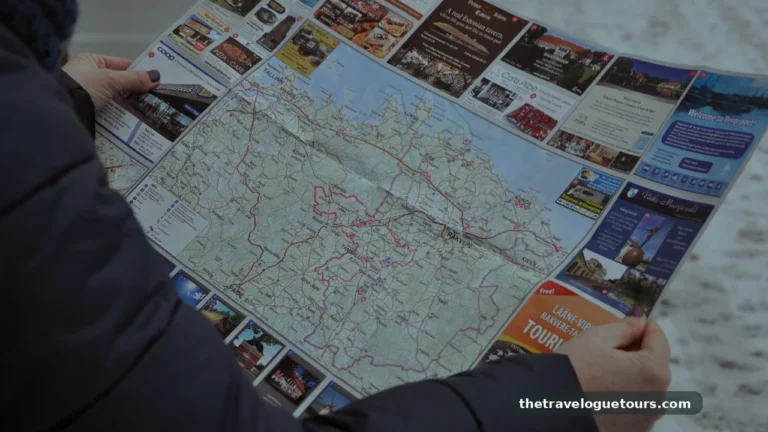
The classic routes run from Bangkok to Cambodia, from the south to Malaysia, or from the north to Laos and Myanmar. Minibus companies sell the whole thing as a packaged day trip. You pay one price and they handle the driving and the waiting at the crossing.
Why Travelers Keep Doing Them
The math is tempting. Applying for an official tourist visa means paperwork, waiting time, and a trip to an embassy or consulate. A border run takes a single day, costs less than a nice dinner, and needs almost no planning.
For many long stay travelers the border run feels like a pause button on a life they are not ready to end. Digital nomads, winter escapers, and people who fell in love with a place all face the same expiring stamp. If you are killing time between crossings, our guide to exploring Thailand beyond Bangkok shows you where the country gets genuinely interesting.
It also fits the rhythm of backpacking Southeast Asia. You were probably going to visit a neighboring country anyway, so the crossing doubles as a small adventure. Hold onto that thought, because it is the key to the better strategy below.
The Rules Have Tightened
Here is the honest part. Thai immigration has watched people use visa exemptions as a long term lifestyle for years, and the rules now have teeth. Land border entries on a visa exemption are limited to two per calendar year.
Officers at busy crossings see hundreds of border runners every week and can spot a pattern of back to back entries in seconds. If they decide you are living in Thailand without a proper visa, they can deny you entry on the spot. Entry rules change, so always check the current official guidance on the UK foreign travel advice page for Thailand before you plan anything.
A denied entry is not a formality. You get turned around at the border, lose the money you paid, and the refusal can complicate future trips. The officers are not villains, since every country enforces its visa rules, but the stakes are higher than the minibus flyers admit.
The Risks Nobody Puts on the Poster
Border run companies are not all equal. Most run a clean and boring legal service, but a few cut corners with overloaded vans, rushed queues, or sloppy paperwork. Ask in traveler groups and read recent reviews before you book with anyone.
Never hand your passport to a stranger in a parking lot. Your passport is your identity, your money, and your way home, and no legitimate company needs it outside the official crossing. Keep it on your body or in a locked bag until an actual officer asks for it.
Plan around the days you actually have instead of the days you wish you had. Our Thailand itinerary planner helps you fit the best of the country into the stamp you already hold. It maps day counts to regions so you stop guessing and start booking.
Better Alternatives That Actually Work
The simplest legal move is a 30 day extension at any Thai immigration office. It costs a small fee, takes an hour or two, and gives you a stamped official month. Millions of travelers do this and it is completely above board.
For real long term stays, apply for a proper visa before you arrive. Embassies issue tourist visas with longer validity, and Thailand offers several long stay options for retirees, students, and remote workers. The Tourism Authority of Thailand site is a solid starting point for seeing what currently exists.
Genuine students can also look at education visas through real schools with real attendance requirements. Do not buy a visa from a shop that also sells smoothies. Real paperwork, real classes, real visa, no surprises at the border.
There is also the simplest option of all, which is to leave when your stamp ends and come back later with a clean history. A genuine break of a few weeks in a neighboring country resets the pattern and the suspicion.
Turning the Crossing Into Real Travel
Here is the reframe that solves everything. Instead of a day trip to nowhere, take a real trip to a neighboring country you genuinely want to see. Spend a few days at Angkor Wat in Cambodia, slow down in Luang Prabang in Laos, or eat your way through Penang in Malaysia.
You leave Thailand, you see something extraordinary, and you return with a clean travel history and a real story. Our street food guide to Southeast Asia will keep you well fed along the way. That is a souvenir no stamp reset can give you.
This costs more than a minibus day trip, but it buys something a border run never does. You come back as a traveler, not as someone gaming a stamp. Border officers notice the difference.
Southeast Asia Border Run FAQ
What is a border run?
A border run is when you leave Thailand and re-enter the same day to get a fresh visa exemption stamp. It resets your allowed stay without applying for a visa. Travelers usually do it at a nearby land border in Cambodia, Laos, Malaysia, or Myanmar.
Is doing a border run illegal?
The crossing itself is legal, but using repeated border runs to live in Thailand without a visa goes against immigration rules. Officers can deny you entry if they believe you are abusing the system. A denial is recorded and can affect future trips.
How many border runs can you do in a year?
Thailand allows only two visa-exempt land border entries per calendar year. Entries by air have no fixed number, but frequent short returns still attract scrutiny. Check current rules before you travel, since policies change.
What is the best alternative to a border run?
Extend your stay at a Thai immigration office for 30 extra days, or apply for a proper tourist visa before you arrive. Both are legal, cheap, and remove all the risk. For long stays, look into the long term visa options Thailand offers.
Can a border run company guarantee I get back in?
No. No company can promise you entry, because the final decision always belongs to the immigration officer. Be wary of any operator that claims otherwise. Keep your passport with you and never pay anyone who says they can influence an officer.
The border run made sense in a looser era, and plenty of travelers still talk about it like nothing changed. But the era changed, and your trip should change with it. Choose the legal path and you get the extra days without the anxiety.
Check the current official immigration rules before you rely on any border run, then pick the option that lets you travel with total peace of mind.