
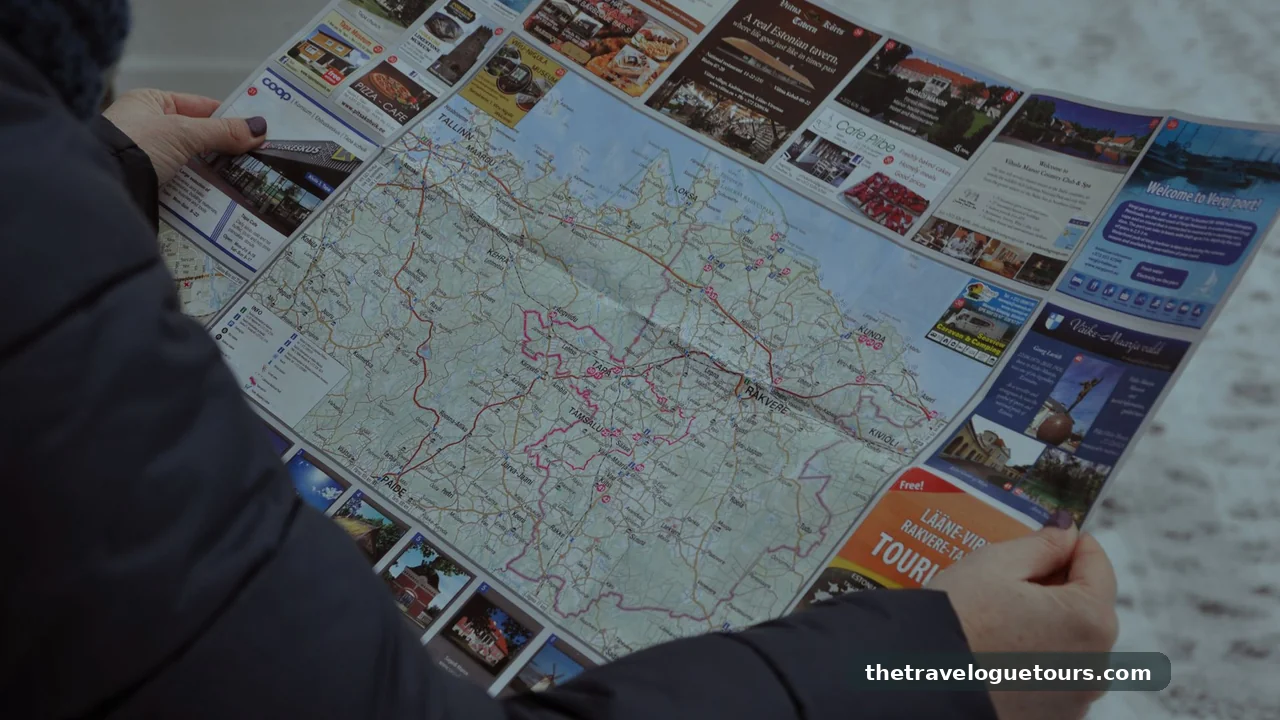
Travel Mistakes You Should Never Make Again
The trip that goes wrong usually goes wrong in the same few ways. Here are the mistakes to stop making, and what to do instead.
You are standing at the check-in desk with your bags packed and your trip planned. Then the agent tells you the country needs a visa you do not have. The holiday ends before it starts.
Most ruined trips fail in the same few ways. They are not bad luck. They are the same preventable mistakes, repeated by smart people who were in a hurry.
This guide covers the ones that actually cost travellers money, time, and whole trips, and what to do instead.
Book nothing before you check entry rules
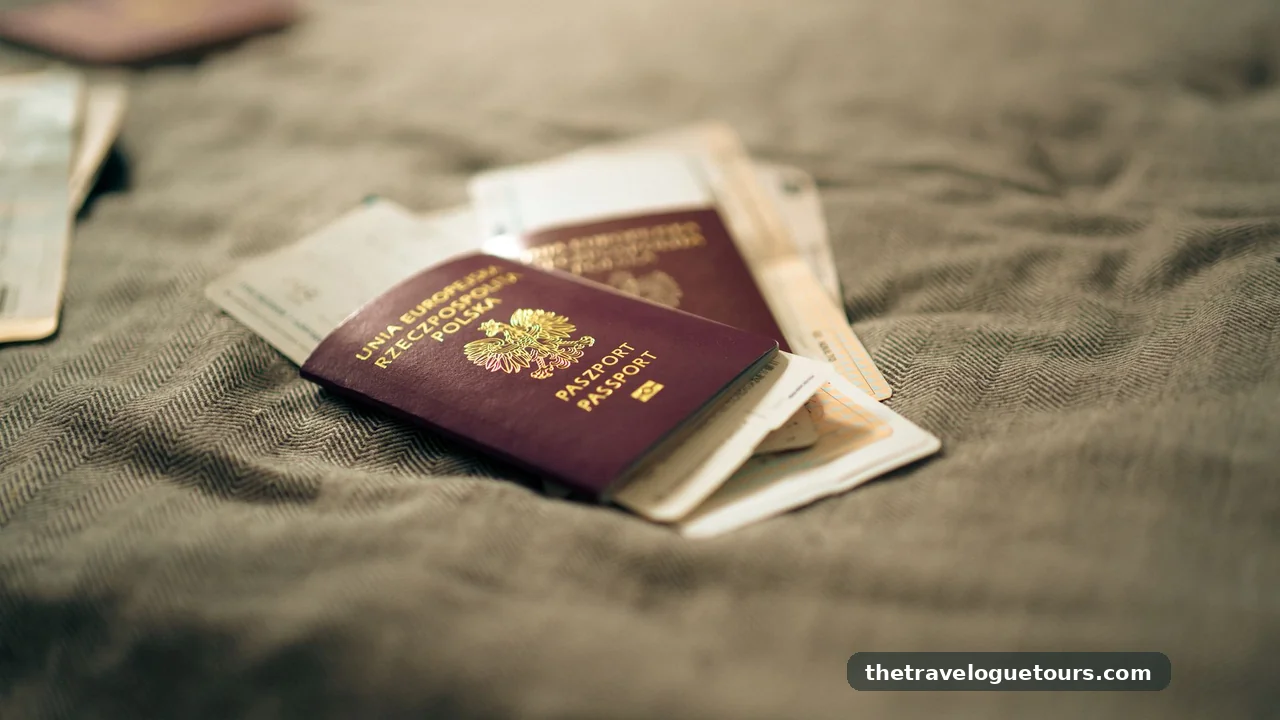
Entry rules change more often than most travellers realise. A country that offered visa on arrival last year may now want an online authorisation weeks in advance. Some want proof of onward travel, a minimum bank balance, or six months of passport validity past your return date.
Check before you book anything. The UK foreign travel advice pages list entry rules by destination, and a five minute check there settles the question.
The US State Department travel advisories add safety context for the same trip, so you see the full picture before you pay.
Make this your first step for every trip, even to places you have visited before. Rules change, and the airline will not refund you for a visa you never got.
Never skip travel insurance
Skipping insurance feels like saving money until the day it does not. One hospital visit abroad can cost more than the whole trip. One cancelled flight can strand you with a hotel bill for nights you never stayed.
Read the policy before you buy. Check that it covers medical evacuation, trip cancellation, and the activities you actually plan to do.
Cheap cover that excludes your plans is not cover at all. Our travel insurance guide for beginners explains the cover most first time buyers miss.
Buy it the day you book, not the week you fly. Cancellation cover usually starts from the purchase date, so late insurance leaves the riskiest weeks unprotected.
Pack for the trip, not for every maybe
Overpacking is the mistake that punishes you every single day. A heavy bag slows you down at every station, costs extra on budget airlines, and turns every detour into a chore.
Pack what you think you need, then take a third of it out. Versatile layers, quick dry fabrics, and shoes you can walk in all day beat a suitcase full of just in case outfits. Our smart packing tips give you the system for this, from the first list to the final check.
If you would only wear it once, in weather that might not happen, for an event that is not booked, leave it at home. You can buy almost anything on the road.
Have a money plan before you land
Landing with no local currency and one card is a small mistake with instant consequences. The ATM is broken, the taxi does not take cards, and your trip starts with a problem.
Set a travel notice with your bank before you go, so a foreign transaction does not freeze your card. Carry two cards from different networks, plus a small amount of local cash. Split the cash across two places, so one loss never leaves you broke.
Skip airport exchange counters with their poor rates. Use ATMs at your destination or a multi currency card, and learn the rough conversion before you go. When you know what things should cost, nobody can charge you double with a smile.
Check the location, not just the room
A bargain hotel an hour from everything is not a bargain. The room can be spotless and still wreck your trip if every meal, sight, and station needs a long taxi ride.
Research the neighbourhood first and the hotel second. Recent reviews, a quick look at the map for transit and food, and a scan for safety mentions tell you more than star ratings ever do. Paying a little extra for a central location usually saves more in fares and wasted time.
Check what is actually near the address. A hotel that says city centre on its own website can be a long walk from anything you want to see.
Watch for the classic traps
Every destination has its version of the overpriced taxi, the closed attraction trick, and the friendly stranger with a bracelet. Scammers look for distracted, uncertain targets, so walk like you know where you are going, even when you do not.
The defence is simple: verify everything yourself. Check opening hours on the venue website, agree the taxi fare before you get in, and say a firm no to unsolicited help. Our guide to avoiding tourist scams covers the six most common traps and exactly how each one works.
Trust your gut. If something feels off, walk away. A real opportunity never needs an instant decision.
Back up your documents
A stolen wallet is bad. A stolen wallet with your only copies of everything is a crisis. Without copies of your passport and cards, even filing a police report becomes an ordeal.
Keep photos of your passport, visas, insurance, and bookings in your email, plus a paper copy tucked separately from the originals. It takes ten minutes and it speeds up everything from embassy visits to airline rebooking.
Save your bank emergency line and your embassy number in your phone before you fly. The moment you need them is the worst moment to go looking.
Leave white space in your days
Itineraries that look like military operations end the same way: exhausted, grumpy, and speed walking past things you dreamed of seeing. Six sights, three neighbourhoods, one sunset viewpoint, zero rest is not a holiday.
Plan the anchors, then leave room for the day to surprise you. The trips people remember most fondly have white space in them: an unplanned afternoon in a plaza, a long lunch that turned into dinner, a wrong turn that led to the best viewpoint of the week.
Quality beats quantity on every trip. Fewer stops, deeper memories, and a traveller who is still enjoying day five.
Do one dry run of the trip
Before you leave, walk through arrival day in your head. You land, you clear passport control, you need to reach your hotel. How?
Which bus, which train, how much should the taxi cost?
Save the hotel address offline, download the local map, and screenshot the route from the airport. The travellers who struggle on arrival day are almost always the ones who planned to figure it out when they got there.
Five minutes of this rehearsal catches the gaps: the transfer you forgot, the address you never saved, the cash you never arranged. It is the cheapest insurance of all.
Travel mistakes FAQ
What is the most common travel mistake?
Booking flights before checking entry rules and passport validity. It cancels trips outright, and it is the easiest one to prevent.
Is travel insurance really necessary?
Yes. One hospital visit or one cancelled trip abroad can cost more than years of premiums.
How do I stop overpacking?
Pack for the trip you are taking, not for every maybe. Lay everything out, then remove a third before you zip up.
What should I do if I get scammed?
Walk away, secure your cards and documents, report it to local police, and tell your bank the same day.
How early should I prepare documents?
Start at least a month before departure. Some visas and vaccines need weeks to arrange.
The fix is a short routine before every trip. Check the rules, buy the insurance, pack light, sort the money, copy the documents.
Then go and enjoy the trip. The trip you prepare for is the trip you actually enjoy.
Learn from other travellers bruises instead of earning your own.






12 Comments