
Japan Rail Pass vs Individual Tickets
The Japan Rail Pass price jumped about 70 percent in 2023. Here is the honest math on when the pass beats individual tickets, and how to decide in ten minutes.
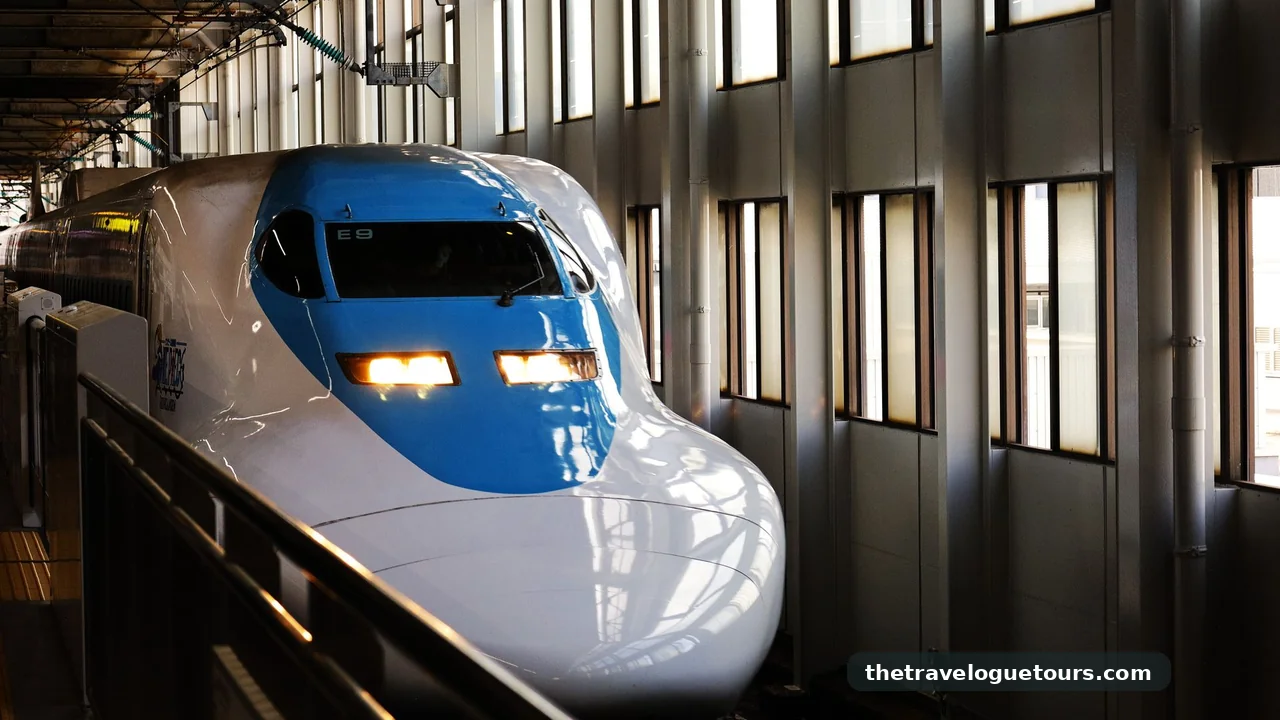
Every Japan travel blog you have read says the same thing: buy the Japan Rail Pass before you fly, and never think about train fares again. That advice used to be golden. Then JR raised the price by about 70 percent in October 2023, and the simple answer became the expensive answer.
So now you are planning your trip and wondering if the pass is still worth it, or if buying tickets one by one saves you real money. The honest answer is that it depends on your itinerary, not on a rule. This guide runs the numbers with you, shows exactly when the pass wins, and tells you how to do the ten minute math before you buy anything.
Here is the bottom line up front: most travelers now save money with individual tickets. Fast trips that bounce between several cities in one week are the main exception, and even then you should check current prices before deciding.
What the Japan Rail Pass Actually Gives You
The Japan Rail Pass is a prepaid ticket for foreign visitors that covers unlimited travel on JR trains for 7, 14, or 21 consecutive days. That includes most shinkansen bullet trains, local JR lines, many JR buses, and some JR ferries like the one to Miyajima.
You pay once and hop on almost any JR train without queuing for tickets. Seat reservations on shinkansen are free with the pass, though you still have to make them. Since the 2023 changes, pass holders can also ride the fastest Nozomi and Mizuho trains by paying an extra supplement.
The official details and current prices are kept up to date on the Japan Rail Pass page at Japan Guide, which tracks JR announcements closely. Check it before your trip, because fares and rules shift more often than old blog posts suggest. This article reflects the post-2023 reality, but your numbers must come from a current source.
The 2023 Price Increase Changed the Math
In October 2023, the 7-day ordinary pass jumped from around 29,000 yen to about 50,000 yen, the 14-day rose to roughly 80,000 yen, and the 21-day to about 100,000 yen. Green Car upgrades cost substantially more, so treat these as ranges, not permanent facts, and always confirm the current fare when you plan.
To see why that matters, compare it to the busiest route in the country. A one way shinkansen ride from Tokyo to Kyoto costs roughly 13,000 to 14,000 yen. Two round trips in seven days would cost you about 55,000 yen, barely more than the 7-day pass.
So the break even point for the 7-day pass is roughly four one way long distance rides in a week. Most first time visitors do Tokyo to Kyoto and back once, maybe plus a day trip. That is two or three rides, which puts them below the line.
When Individual Tickets Win
If you are doing the classic first trip, Tokyo plus Kyoto with a day trip to Nara or Osaka, individual tickets almost always win. Buy each leg as you go, sit on the same trains, and pocket the difference. The freedom to change plans without watching a pass clock tick down is a bonus.
Individual tickets also make sense when your trip has long pauses. If you spend five days in Tokyo using the metro and only travel between cities twice, a pass that runs every day is burning money on days you never ride JR. Pay per ride and let the quiet days cost you nothing.
They also fit slow travel better. If your plan is to sink into one neighborhood for a while after the long flight, our jet lag recovery strategies will get you rested before your first big ride. Moving slowly through Japan rewards you with better memories and smaller train bills.
When the Pass Still Makes Sense
The pass still pays off for high speed itineraries. Tokyo to Kyoto to Hiroshima and back within seven days can cost well over 70,000 yen in single tickets, which beats the 7-day pass comfortably. If your map looks like a pinball machine, run the numbers, because the pass may be your cheapest option.
It also suits travelers who value simplicity over squeezing every yen. One purchase covers everything, no ticket machines, no fare math in Japanese stations. For some people that peace of mind is worth paying a small premium, and that is a valid choice if it fits your budget.
Regional passes are the middle ground most blogs skip. A JR East or JR West regional pass costs far less than the national pass and covers one area deeply. If your whole trip stays in Kansai or Kanto, check the regional options before you even look at the national pass.
When you are ready to buy, use the official Japan Rail Pass booking site at the official site to see current prices and order your exchange voucher. Buy only after you have done the route math below. Ordering early is fine, ordering blindly is not.
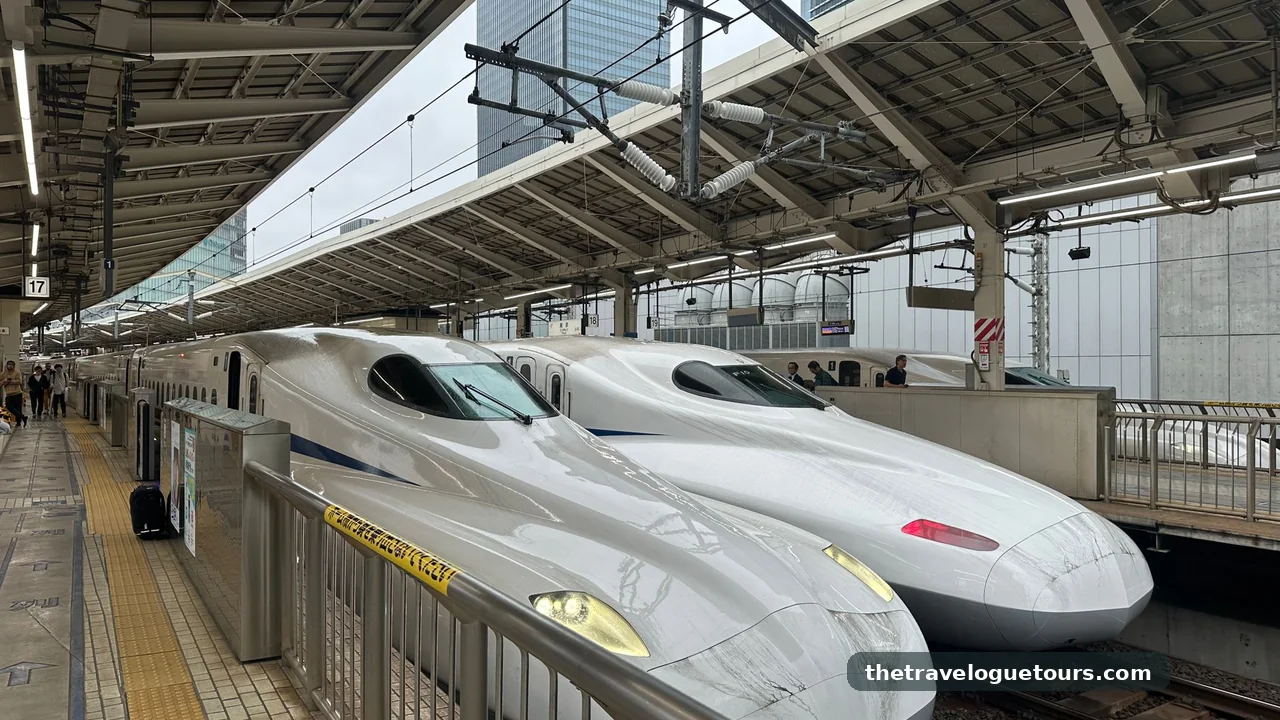
How to Do the Math in Ten Minutes
List every long distance ride on your itinerary with its one way fare. You can find exact fares on JR route search tools or a current travel guide. Add them up, including the seat reservation fees, and compare the total against the pass price for your trip length.
Count only rides that actually happen inside the pass window. A 7-day pass starts the day you activate it, not the day you land. If your big rides spread across ten days, you either need the 14-day pass or, more likely, single tickets.
Do not forget the rides you might add. Day trips are cheap to dream about and easy to overcount, so plan realistic days like the ones in our guide to experiencing Japan like a local, which covers the Kyoto to Tokyo corridor honestly. Only count rides you are genuinely likely to take.
Smart Ticket Buying Tips
Buy shinkansen tickets at any JR station in Japan, often the same day outside of Golden Week and New Year. You do not need to book weeks ahead for most of the year. Ticket machines have English options and station staff are famously helpful.
Reserve seats for free on popular routes, especially weekend mornings and holiday evenings. Non reserved cars are cheaper and fine off peak, but a reserved seat on a packed train is worth the zero extra yen it costs pass holders. Single ticket buyers pay a small reservation fee.
Add one slow day trip to your plan, like the hot spring towns a short ride from the big cities. Our onsen etiquette guide will help you bathe like a local when you get there. These short regional rides are exactly the kind of cheap single tickets that keep your total low.
Japan Rail Pass vs Individual Tickets FAQ
Is the Japan Rail Pass still worth it?
Only for fast, multi-city itineraries now. After the 2023 price increase, you need about four long distance rides in seven days to break even. Most first-time visitors doing Tokyo plus Kyoto save money with individual tickets.
How do I decide between the pass and single tickets?
List every long distance ride and add up the one way fares. Compare that total with the current pass price for your trip length. Above the pass price, buy the pass. Below or close, buy singles.
Can pass holders ride the Nozomi bullet train?
Yes, with a supplement fee per ride since late 2023. Factor those fees into your math if you plan to use the fastest trains, because they can wipe out the pass savings quickly.
What about regional rail passes?
They cost far less than the national pass and cover one region deeply. If your trip stays mostly in Kansai, Kanto, or Tohoku, a regional pass plus a few singles usually wins.
Where do I buy the Japan Rail Pass?
Order online from the official JR booking site or an authorized reseller before you travel. You get an exchange voucher by mail and swap it for the pass at a JR station in Japan. It is no longer sold at Japanese stations.
The pass was once a no brainer, and blogs that never updated are still selling that story. Now it is a math problem with a right answer for your specific trip. Run your numbers, check current prices, and choose with confidence instead of habit.
Whichever you pick, the trains themselves are half the joy of Japan. Buy the ticket that fits your route, then spend the savings on the experiences at the end of the line. That is the only rail advice that never goes out of date.






3 Comments