20 Tips for Flying With a Baby
Twenty practical tips for flying with a baby under 2, from booking and packing to ear pressure, sleep, and surviving the stares when your baby cries.
First Flight With a Baby? Breathe.
Your flight is three days away, and you are already picturing the worst version of it. The screaming on takeoff, the stares from row 12, the diaper blowout at 35,000 feet.
Here is what no one tells first-time parents: babies fly all the time, and crews see them every single day. Flying with a baby is a logistics problem, not a courage test, and logistics can be planned.
If the trip is a long one, our travel tips for long flights will help you survive the hours after these baby-specific tips. Now let us walk through the whole flight, step by step, before you ever leave the house.
1. Book a Direct Flight at a Nap-Friendly Time
Every layover with a baby is a second takeoff, a second landing, and a second round of ear pressure. Pay the little extra for the direct flight if you possibly can. Then book a time that matches your baby’s longest nap, usually mid morning or early afternoon.
2. Buy Your Baby a Seat, or Go Lap-Child With a Plan
Under-twos fly free on your lap on most domestic routes, and that saves real money. But a paid seat lets you install an approved car seat, which is the safest place for your baby by far. If you go the lap route, call ahead and ask the gate agent about an empty seat beside you.
3. Call the Airline a Week Before You Fly
Airlines can note your booking for early boarding, a bassinet row on long hauls, and a gate-checked stroller. A five-minute call also tells you that carrier’s exact infant rules, which change more often than you would think. Write down what they promise, including the name of who told you.
4. Pack the Diaper Bag Like a Flight Kit, Not a Purse
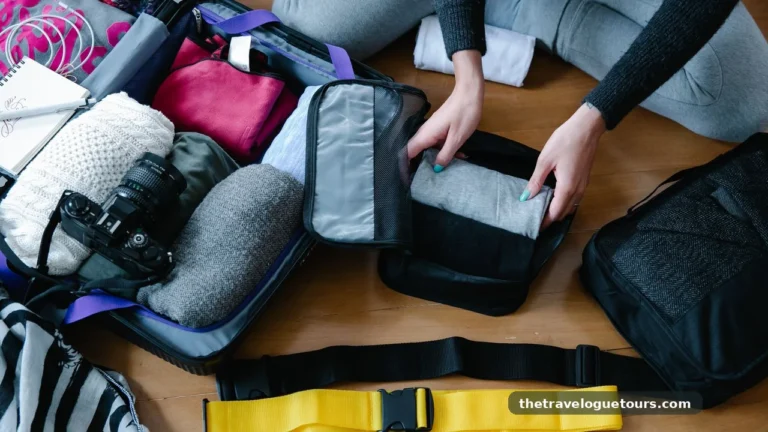
One diaper per hour of travel, plus three extra, is the formula that never fails. Add two full outfit changes for the baby, wipes, a changing pad, and a plastic bag for the disasters. These genius packing hacks show how to compress all of it into one bag that fits under the seat.
5. Learn the TSA Milk and Formula Rules Before Security
Breast milk, formula, and toddler drinks over 3.4 ounces are allowed without fitting in a quart bag, so tell the officer at the start of screening and pull the bottles out for separate testing. The official TSA page on traveling with children lists exactly what is permitted, so read it before you pack.
6. Know the Car Seat Rules Before You Haul One to the Gate
Only car seats labeled as certified for aircraft use are allowed on the plane, and crew will check. If your seat lacks that label, you will be forced to gate-check it and fly lap-child anyway. The FAA page for flying with kids explains which restraints qualify and why they matter in turbulence.
7. Feed on Takeoff and Landing to Beat Ear Pressure
Swallowing is what opens the little tubes in your baby’s ears and equalizes the pressure. Nurse, bottle-feed, or offer a pacifier during the climb and the descent. If your baby is asleep during boarding, do not panic, but try to wake them gently before takeoff.
8. Use the Stroller to the Gate, Then Gate-Check It
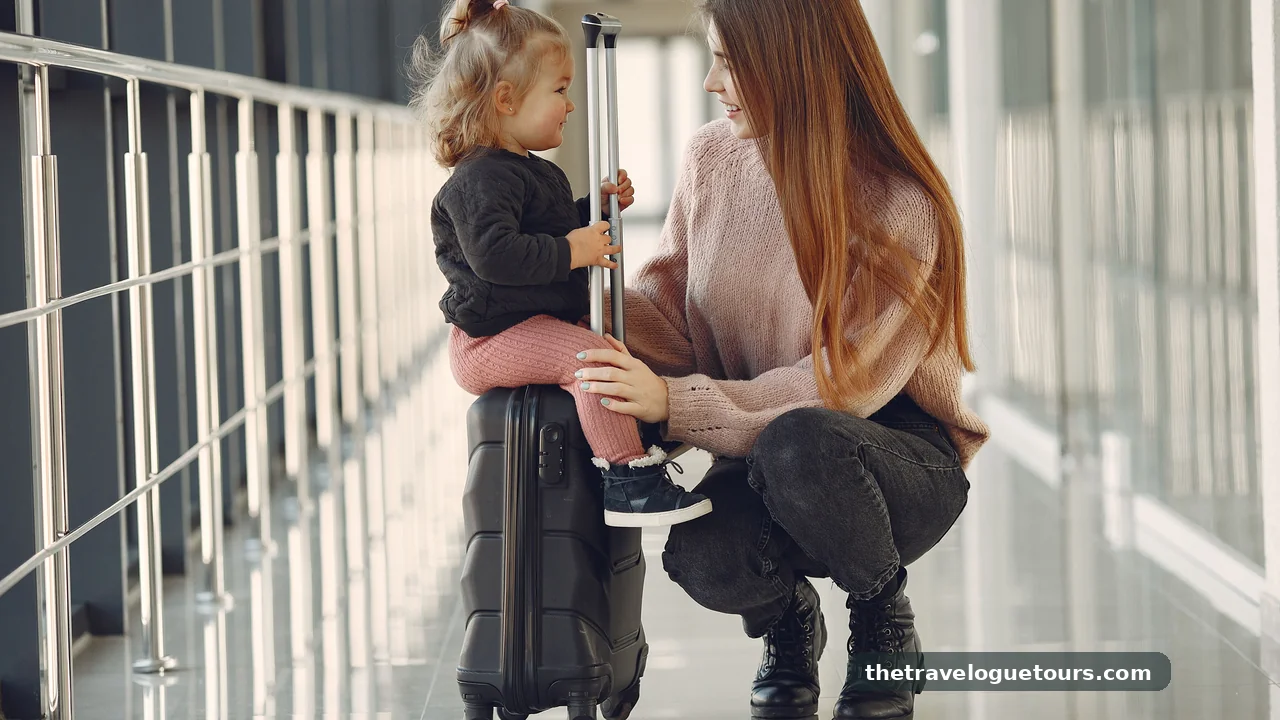
Airports are long, and a sleeping baby in a stroller is worth its weight in gold before boarding. At the gate, staff will tag it and hand it back to you at the plane door on arrival. Skip the giant travel system and bring the lightest stroller you own.
9. Board Early and Claim Your Space
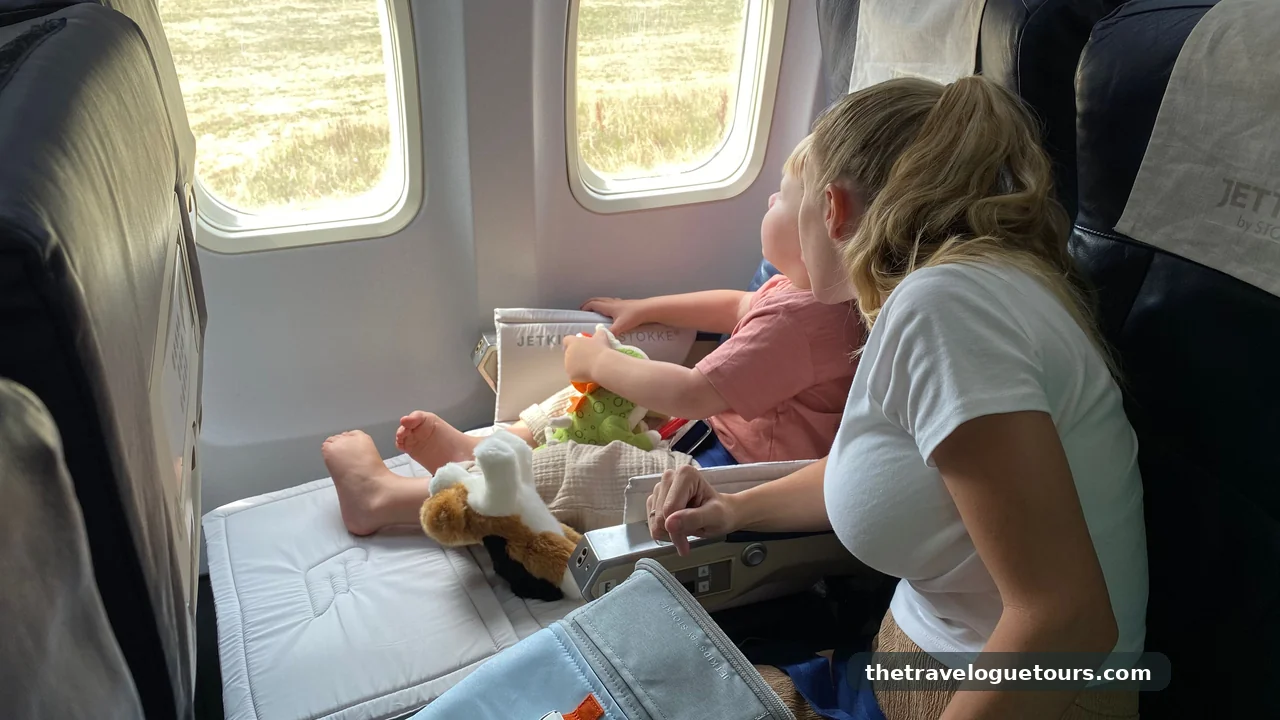
Families with small children almost always board early, so use it. That head start lets you install the car seat, stow bags, and set up your row before the aisle fills. You want everything reachable at your feet, because getting up mid-flight is a production.
10. Change the Diaper Right Before Boarding
A fresh diaper before takeoff buys you the longest possible stretch of comfort. Most airplane lavatories have a fold-down changing table, but it is the size of a postage stamp, so bring a compact pad. Change again mid-flight if you can; a dry baby is a calmer baby.
11. Keep a Comfort Kit Within Arm’s Reach
Pack one brand-new toy your baby has never seen, because novelty buys you twenty minutes of fascination. Rotate snacks, a pacifier clip, and a soft lovey through the flight. Never put all the good stuff in the overhead bin, where it might as well be on another plane.
12. Time Sleep, Not Entertainment
A baby does not need a seatback screen; they need rhythm. Recreate nap time at home: dim the window shade, swaddle or blanket them, and start the familiar routine. If you skip the nap and hope for the best, the overtired meltdown will arrive exactly at hour three.
13. Have a Walk-and-Bounce Routine Ready
When the crying starts, motion is your first medicine. Bounce, sway, and walk the aisle during calm stretches when the seatbelt sign is off. Most babies settle within minutes of steady movement, and crew expect this and will usually smile rather than judge.
14. Prep Your Feeding Supplies in Advance
Pre-measure formula into a dispenser and bring the water in a separate bottle so you can mix one-handed. If you nurse, wear easy-access layers and bring a light cover only if you personally want one. Hunger meltdowns are faster and louder than any other kind, so stay ahead of the clock.
15. Have a Crying Plan, and Ignore the Stares
Your baby will cry at some point, and most passengers have either been there or do not care. Stand up, shush, bounce, and try a feed; work the plan instead of freezing with embarrassment. The stares feel enormous from your seat but are usually forgotten by the time everyone deplanes.
16. Dress Both of You in Layers
Cabins swing between arctic and sauna with no warning. Dress the baby in a onesie plus a zip-up layer you can add or remove fast. Wear something comfortable yourself, with an extra shirt in the diaper bag, because spit-up finds parents too.
17. Hydrate Yourself, Not Just the Baby
Cabin air is dry and feeding a baby is dehydrating work, even before the stress kicks in. Buy a large water after security and sip it the whole flight. A fed, watered parent handles a fussy baby far better than a running-on-empty one.
18. Put the Partner Plan in Writing
If you are flying with a partner, decide shifts before takeoff: who holds, who walks, who sleeps. Tired parents argue about everything, including whose turn it is. Our guide to traveling safely with kids covers how to divide duties so one rested adult is always on duty.
19. Deplane Last and Unrush the Exit
Everyone stands up and crowds the aisle; you do not need to join them. Wait for the rush to pass, gather your things calmly, and then stroll off. Your gate-checked stroller will be waiting at the plane door, and the calm ending sets the tone for the trip.
20. Remember Why You Are Flying at All
You are not flying to prove you can. You are flying to meet the grandparents, to see the ocean, to start the trip you have been planning for months. Babies forget bad flights within a day, and you will remember that you were brave enough to go.
Flying With a Baby FAQ
Can I fly with a newborn baby?
Most airlines allow babies from just a few days old, though many parents wait until the baby is 4 to 6 weeks old. If your baby was premature or has health issues, ask your pediatrician first. Always carry the baby’s birth certificate or passport for ID.
Should I buy a plane seat for my baby under 2?
It is the safest option. The FAA recommends an approved child restraint over a lap hold, especially in turbulence. It costs more, but it also gives you hands-free time on a long flight.
How do I keep my baby’s ears from hurting on the plane?
Feed, nurse, or offer a pacifier during takeoff and landing so swallowing equalizes the pressure. Keep your baby awake for the climb if you can. If ears still bother them, the discomfort usually passes within minutes of leveling off.
Can I bring breast milk and formula through airport security?
Yes. The TSA allows breast milk, formula, and toddler drinks over 3.4 ounces, and they do not need to fit in a quart-sized bag. Declare them at the start of screening and remove them for separate testing.
What if my baby cries the whole flight?
It happens, and it is survivable. Feed, bounce, walk the aisle, and try a diaper change. Most flights are a few hours of your life, not a verdict on your parenting, and fellow parents will sympathize.
Your baby will not remember this flight, but you will remember that you did it scared and did it anyway. Breathe, feed, bounce, repeat: the flight is the shortest part of the trip.
On the other side of those cabin doors is everything you booked this trip for. Land, collect the stroller, and go enjoy it.