
Travel Tips for Long Flights
Hour nine of thirteen, knees stiff, eyes dry. Here is how to arrive rested instead of wrecked.
It is hour 9 of 13. Your knees are stiff, your eyes are dry, and the seat next to you is still not comfortable. You have 6 hours of this left, and how you spend them decides what your first day at your destination feels like.
A long flight is not a pause before your trip. It is part of it. This guide shows you how to arrive rested, healthy, and ready to explore instead of wrecked.
Before you board
What you do before boarding matters as much as what you do in the air. Sleep well the night before, drink water through the day, and skip alcohol the evening before you fly. Starting tired makes every hour in the air feel longer.
Wear loose, breathable layers and slip-on shoes. Cabins run cold, then warm, then cold again, and layers let you adjust without a full change of clothes. If packing the flight kit is the hard part, our 25 packing hacks show how to fit it all in one small bag.
Shift your sleep and meal times 1 or 2 days before departure to match your destination. Flying east, go to bed earlier, and flying west, stay up later, because small shifts now mean a smaller shock later.
Pick your seat with a plan
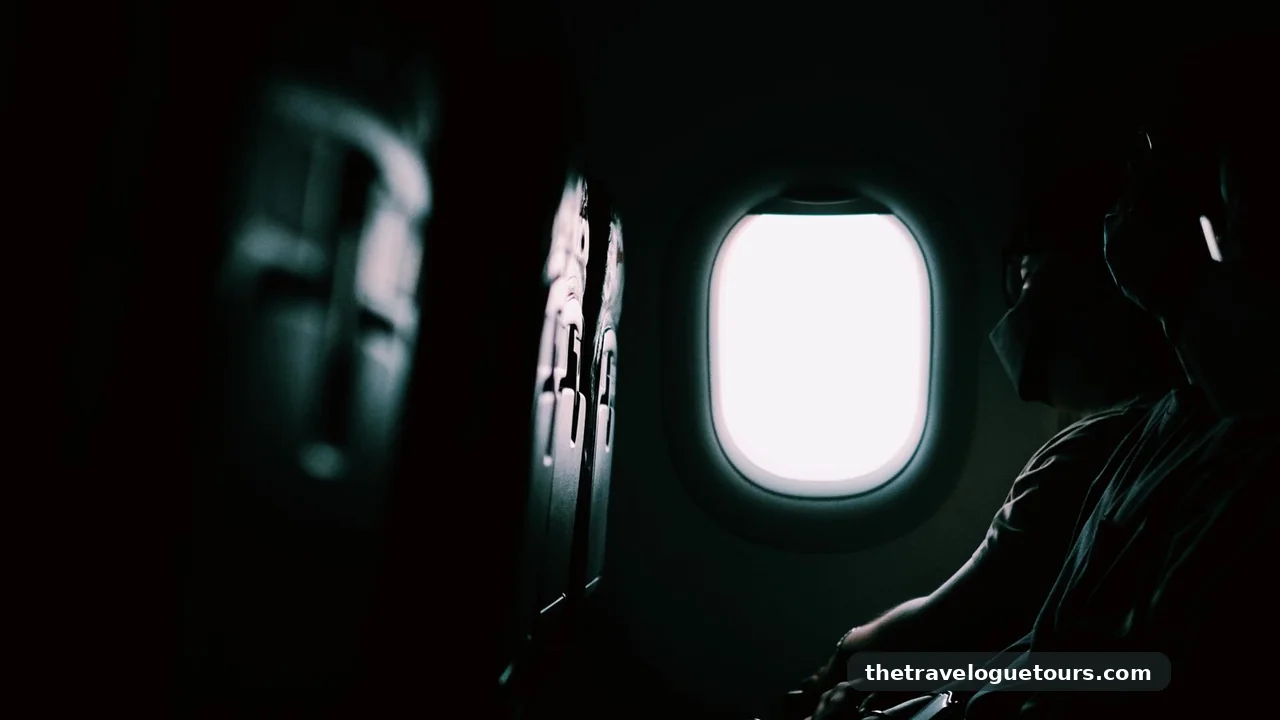
Seat choice shapes the whole flight. Window seats give you a wall to lean on and no one climbing over you, while aisle seats give you easy bathroom access and room to stretch, so pick the one that matches how you plan to spend the flight.
Avoid seats near lavatories and galleys if noise bothers you. Exit row and premium economy seats offer more legroom for a small fee, and on a 13 hour flight that fee is often worth it.
If you are travelling with a partner, book window and aisle with the middle seat empty. If the flight is not full, you get a row of 3 between 2 people.
The carry-on that saves you
Pack a small flight kit in your carry-on: noise cancelling headphones, a neck pillow, an eye mask, lip balm, moisturiser, a refillable water bottle, and snacks. These few items decide whether the flight is bearable or miserable.
Keep the kit in the outside pocket of your bag, so you are not digging through the main compartment mid flight. Our carry-on bag guide covers the size rules that decide whether your bag stays with you in the cabin.
Check the TSA What Can I Bring list before you pack snacks and liquids, so nothing gets surrendered at security. An empty water bottle passes through fine, and you fill it after the checkpoint.
Water, movement, and your legs
Cabin air is drier than most deserts, so drink water steadily through the flight. Aim for a glass every hour, even if you do not feel thirsty. Alcohol and caffeine make dehydration worse, so keep them to a minimum.
Get up every 60 to 90 minutes. Walk the aisle, stretch your calves, and do ankle circles in your seat. Long periods of sitting raise the risk of deep vein thrombosis, and movement is the simplest protection.
Set a quiet timer on your phone for every hour. It is easy to lose track of time in a film, and a gentle reminder is what gets you moving.
Wear compression socks if your legs swell or you have circulation issues. They are unglamorous and they genuinely help on flights over 6 hours.
Sleep on the plane
Sleep is the hardest part of a long flight, and the most valuable. Use an eye mask and earplugs or noise cancelling headphones to block out light and sound. A neck pillow stops the awkward head bobbing that wakes you every 20 minutes.
Align your sleep with your destination time zone. If it is night at your destination, sleep. If it is day, stay awake and stay hydrated.
The CDC jet lag guidance recommends the same approach. It also suggests short naps of 15 to 20 minutes if you get sleepy during the day.
Skip sleeping pills unless your doctor prescribed them. They can leave you groggy and increase clot risk, which is the opposite of what you want at 35,000 feet.
Food and drink
Airline meals are convenient but often salty, and salt plus dry cabin air leaves you bloated. Request a special meal in advance if you want one: vegetarian, low sodium, and gluten free options are usually lighter.
Pack your own snacks: nuts, fruit, granola bars, or protein bites. Avoid salty snacks like chips, since they increase thirst and bloating. Stick to water, herbal tea, or coconut water for natural electrolytes.
Skip the second coffee. Caffeine feels helpful at hour 6 and ruins sleep at hour 10, so save it for landing day.
Eat light and eat small. Heavy meals sit badly when you are barely moving, and small meals keep your energy steady through the flight.
Beat jet lag after landing
Jet lag hits when your body clock clashes with local time. The best defence is light. Get outside in daylight as soon as you can, since sunlight resets your internal clock faster than anything else.
Do not nap for hours after landing. Wait until local bedtime, and keep any nap under 90 minutes. A long afternoon nap feels wonderful and wrecks your first 2 nights.
For the full recovery plan once you land, our guide to dealing with jet lag fast covers the light, sleep, and meal timing. Those 3 signals are what reset your body clock.
Arriving well
The journey does not end when the plane lands. Head straight to fresh air, take a short walk, and change into fresh clothes if you can. Movement and daylight tell your body the travel day is over.
Ease into local food with light, familiar meals. Your digestive system needs time to adapt, and day one is not the moment for the spiciest dish on the menu.
If your hotel room is not ready, drop your bags and walk. Fresh air and daylight do more for jet lag than an hour in a dark lobby.
Book a hotel with early check in if you can, take a shower, hydrate, and then get out and walk. A short first day outside beats a long first day in bed.
Long flight FAQ
How can I sleep better on a long flight?
Use an eye mask, noise cancelling headphones, and a supportive neck pillow. Align your sleep with your destination time zone and skip alcohol.
What should I wear on a 12 hour flight?
Loose, breathable layers, slip-on shoes, and compression socks. Bring a scarf or light jacket, since cabins swing between cold and warm.
How often should I get up during a long flight?
Every 60 to 90 minutes. Walk the aisle, stretch your calves, and do ankle circles in your seat to keep blood moving.
Does melatonin help with jet lag?
It can help some travellers fall asleep at the right local time. Start with a low dose, and talk to your doctor first if you take other medication.
How do I beat jet lag fast?
Get daylight on arrival, eat and sleep on local time, and keep naps under 90 minutes. Most people adjust within a day or two.
The seatbelt sign is off, the cabin is quiet, and you know exactly what to do next. Drink water, move around, sleep on destination time.
The flight is part of the trip, not a pause before it. Land rested, walk into the daylight, and start the trip properly.



9 Comments