Traveling Through Colombia Without the Guesswork
Traveling through Colombia is one of the great trips of a lifetime, but the safety headlines make it hard to plan. This guide gives you a clear two to three week route, an honest safety read, and realistic daily costs so you can book with confidence.
The Question Everyone Asks First
If you are planning on traveling through Colombia, you have probably heard two stories at once. Friends who have been there call it the highlight of their lives, while people who have never gone warn you to stay away.
Both stories feel true, and that is why the trip feels harder to plan than it actually is. You do not have a route problem or a money problem. You have a clarity problem, and this guide fixes it.
What follows is a simple route that works for first-timers, an honest read on safety, and realistic daily costs. No hype, no fear, just the facts you need to book with confidence.
Is Traveling Through Colombia Actually Safe?
Short answer: most travelers visit without any serious trouble, but Colombia is not a place for zero preparation. Petty theft and scams are the realistic risks in tourist areas, not the movie plot dangers your relatives imagine.
The official picture changes over time, so check it close to your departure date. The US State Department keeps a Colombia travel advisory page with regional breakdowns, and you should read the section for every region on your route.
Here is what that means in practice. Big cities like Bogota and Medellin have neighborhoods that are completely fine and a few you should avoid after dark, and your hotel can name both. Rural areas near certain borders carry real risk, so build your route around the well traveled corridor below instead of improvising.
A Two to Three Week Route That Works
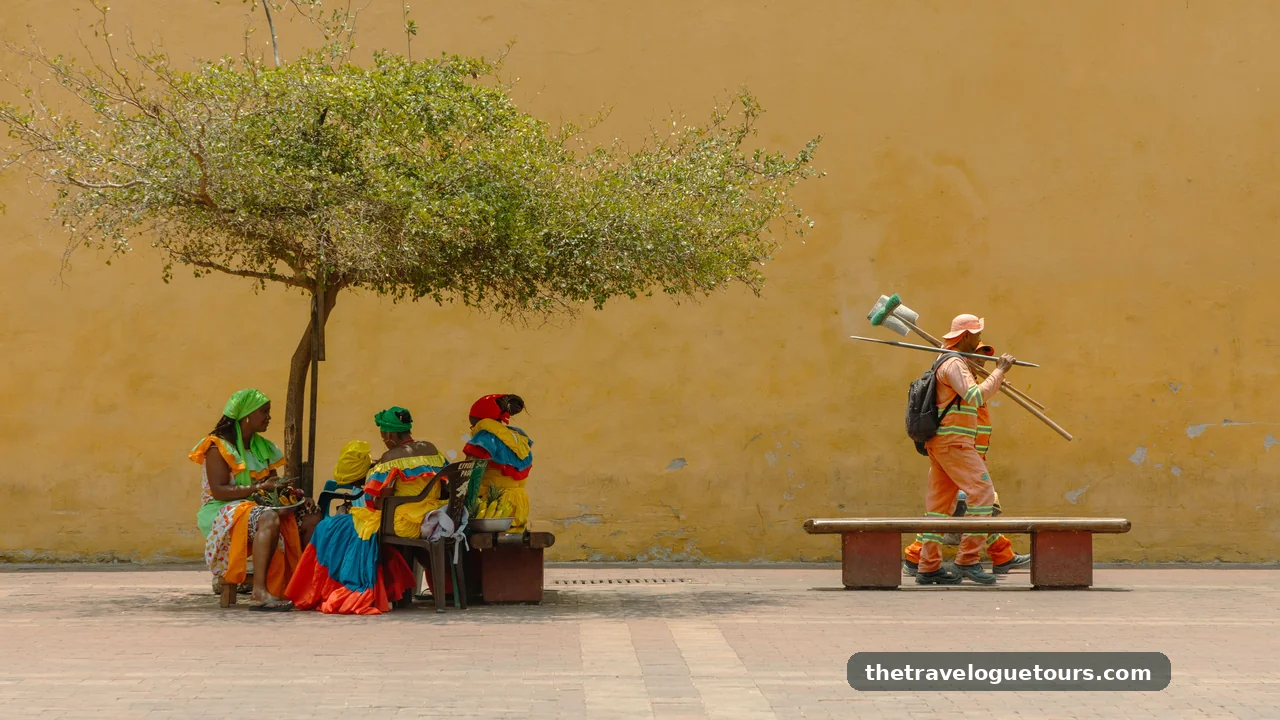
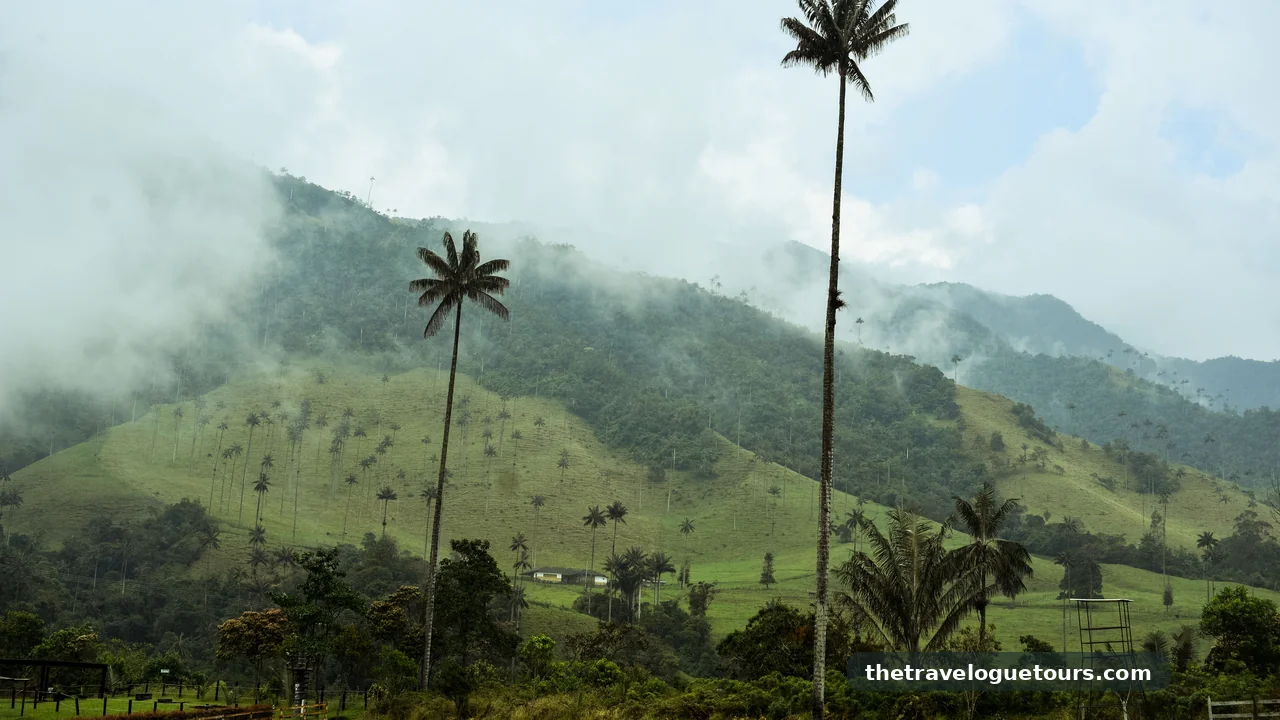
Most first-timers follow some version of the same route, and it is popular because it flows well. Start in Bogota for the museums and the mountain views, then fly or bus to the coffee region around Salento for two or three slow days.
From there, head to Medellin. The city has changed enormously in the last two decades, and its metro, cable cars, and neighborhood tours make it easy to explore safely. Give it three to four days.
Finish on the Caribbean coast in Cartagena. The old walled city is made for slow evenings, and it is the natural place to wind down before you fly home. Add a day trip to the Rosario Islands if beach time is your thing.
Note that Brits search this trip as travelling through colombia, which is handy to know when you are reading older UK guidebooks and forums. Same route, same advice, different spelling.
What a Colombia Trip Really Costs
Colombia is one of the best value destinations in the Americas. A budget traveler can manage on 40 to 60 dollars a day, including a hostel dorm, local meals, city transport, and one paid activity.
Midrange travelers should plan for 80 to 130 dollars a day. That buys a comfortable private room, restaurant dinners, intercity flights or buses, and guided day trips without watching every peso. Prices rise in Cartagena and around Christmas, so book those parts early.
For a broader sense of how Colombia compares as a value destination, see our list of the best countries for budget travelers. The short version is that your money goes roughly twice as far here as it does in Western Europe.
Getting Around Without Stress
Domestic flights are cheap and save you enormous amounts of time. The main low cost carriers connect Bogota, Medellin, and Cartagena for prices that often beat long bus rides, so fly the long legs and bus the short ones.
For shorter hops, daytime buses are comfortable and reliable. Book the direct services, sit toward the front, and keep your valuables in a small bag on your lap rather than in the luggage hold.
Inside cities, use ride hailing apps instead of flagging taxis on the street. The fare is fixed before you get in, the driver is identified, and you remove the one negotiation that causes most tourist friction.
Five Small Habits That Keep You Safe
First, learn the tourist scam playbook before you land. Our guide to avoiding tourist scams abroad shows you the tricks that repeat in every country, and Colombia is no exception.
Second, do not flash valuables. Leave the expensive watch and the designer bag at home, use a cheap phone for street photos if it makes you nervous, and keep your real phone out of sight in crowded places.
Third, ask locals for the current read. Hotel staff, hostel owners, and tour guides know exactly which blocks are fine tonight, and their advice beats anything you read online last month.
Fourth, carry copies of your documents and leave originals in your hotel safe. A photo of your passport on your phone is enough for daily sightseeing.
Fifth, get proper travel insurance that covers medical care and theft. Our travel insurance explained for beginners walks through what a policy should actually cover before you buy.
Plan With the Official Tourism Site
For festivals, national park rules, and seasonal events, the official Colombia tourism site is the most reliable starting point. It is run by the national tourism board, and its regional guides help you time your route around events like the flower festival in Medellin.
Bookmark it next to the advisory page. Between the two official sources, you have the practical facts and the safety facts covered, and everything else is just flavor.
Your One Weekend Planning Checklist
Block out one weekend and do this in order. First, check the Colombia advisory page for your regions and save the regional breakdown. Second, sketch the route above on a map and book the three big intercity flights, because those prices climb fastest.
Third, book your first two nights of accommodation and buy travel insurance while your trip is still refundable. Fourth, tell your bank you are traveling and download offline maps plus a translation app. That is the whole plan, and it fits in a Saturday morning.
Everything else, from restaurant picks to day trips, can wait until you are on the ground. Colombia rewards flexible travelers, so leave some blank days in the middle of your trip.
Colombia Travel FAQ
Is Colombia safe for first-time visitors?
For most travelers, yes, with normal precautions. Stick to the well traveled route, avoid displaying valuables, use ride hailing apps, and check the US State Department Colombia advisory for your specific regions before you go.
How many days do you need to travel through Colombia?
Two to three weeks covers the classic route well. That gives you Bogota, the coffee region, Medellin, and Cartagena without rushing. With only ten days, cut the coffee region and fly between the cities.
How much does traveling through Colombia cost?
Budget travelers spend about 40 to 60 dollars a day, midrange travelers 80 to 130 dollars a day. Cartagena and the Christmas season cost more, so book those parts early.
What is the best time of year to visit Colombia?
Colombia sits near the equator, so temperatures change with altitude more than with seasons. December to March and July to August are the driest months in most regions, which makes sightseeing easier.
Do I need to speak Spanish to travel through Colombia?
Not strictly, but it helps a lot outside the main tourist zones. Learn basic phrases for directions, prices, and food, and download an offline translation app before you arrive.
Colombia rewards the traveler who shows up prepared and stays curious. You now have the route, the honest safety picture, and the real costs.
The guesswork is the only thing standing between you and Colombia. Read the advisory, book the flights, and go see why everyone comes home raving about it.