

How I Traveled the World for $50 a Day
Fifty dollars a day does not mean suffering. It means a system, and this is the one that makes it feel like plenty.
You want to travel, and your bank balance has other ideas. You have probably heard that fifty dollars a day means suffering: instant noodles, twelve bed dorms, and skipping everything worth seeing. It does not.
This guide is for you, and it shows you the system that makes fifty dollars a day feel like plenty.
Follow one day with me, from the bed you wake up in to the meal you end it with, and you will see where the money goes and where it does not. By the end, you will have a plan you can use on your next trip, whatever your starting budget.
Where your fifty dollars goes
Here is a realistic daily split from Southeast Asia, where this budget works best: twelve to fifteen dollars for a hostel dorm or a budget guesthouse, ten to fifteen for food, five to ten for transport, and the rest for activities and a buffer. In Eastern Europe, shift about five dollars from food to accommodation. The numbers change by region, but the principle holds: cap the big three, sleep, food, and transport, and everything else fits.
Track a weekly average, not a daily one. One splurge day plus two cheap days still hits fifty a day, and that freedom is what makes the budget livable. If you are starting from zero, read our guide to planning a trip on a budget first, then come back here for the daily playbook.
Sleep for less, without suffering
Hostels are the backbone of budget travel. Ten to fifteen dollar dorm beds across most of Asia and Latin America often come with breakfast and a social scene that replaces paid tours. Filter for ratings above 8.5 and read the last few reviews, since a hostel can change fast.
Guesthouses and homestays cost a little more but include local insight you cannot buy. For stays over a week, negotiate directly: asking politely for a weekly rate routinely takes twenty to thirty percent off the listed price. If you would rather book ahead, our guide to booking cheap hotels online covers how to compare prices without falling for fake discounts.
Eat where the locals eat
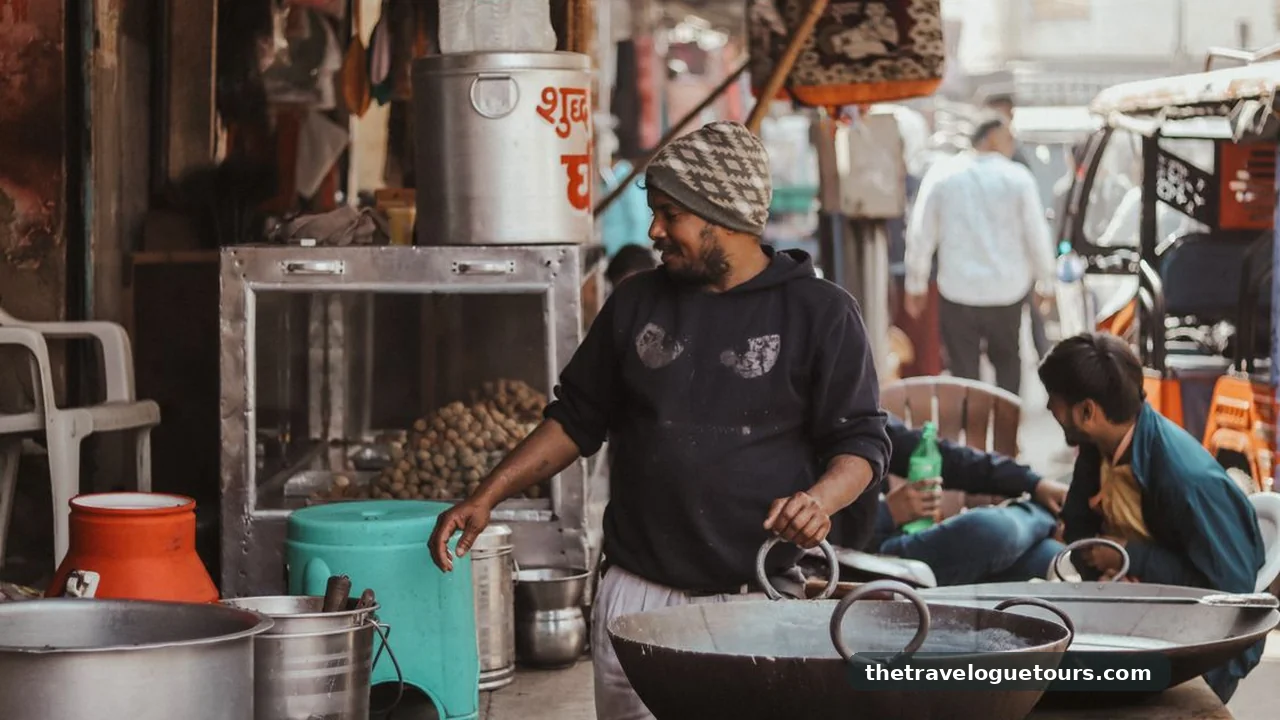
Street food is the budget traveller superpower: one to three dollar meals, cooked in front of you, fresher than most restaurants. The rule is simple: eat where the queue is local, the turnover is fast, and the menu is short. A place doing one dish well beats a place doing forty dishes badly.
Stay somewhere with a kitchen once a week and cook. Markets are cheap, and one home cooked meal resets both your budget and your stomach. And carry water instead of buying drinks all day: a refillable bottle and a market stop beat a cafe bill every time.
Move for less
Buses, trains, and metros cost a fraction of taxis and show you the real city. For intercity routes, check every option with prices before you commit, since the cheapest bus is not always the one the first site shows you. And walk.
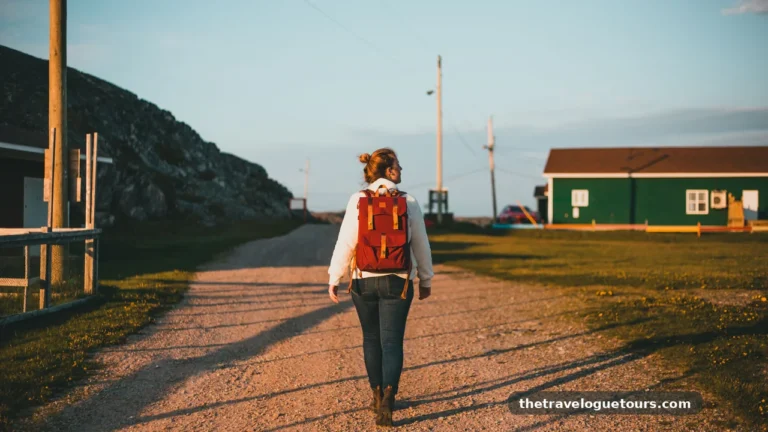
The best things I found while travelling cost nothing and were discovered on foot.
Many cities run free walking tours. Tip the guide five dollars and you have had a half day tour for pocket change, plus a local who will tell you where to eat. Flights are the budget killer, so treat them as a separate game: book two to three months ahead, fly midweek, and compare prices across sites.
Our guide to saving money on flights has the full method.
Where fifty dollars a day works, and where it does not
Be honest about the map. Fifty dollars a day works in Southeast Asia, South Asia, Eastern Europe, and Latin America. It does not work in Western Europe, Australia, or Japan, and pretending otherwise ruins trips.
For the cheapest countries overall, Nomadic Matt keeps a useful list of cheap places to travel on the US dollar, and his roundup of the best places to travel on a budget is a good starting point for picking a destination.
That does not mean expensive places are off limits. It means you change the shape of the trip. Budget travel tips for expensive cities in the USA come down to the same levers: stay outside the centre, cook half your meals, and pick one paid activity per day.
Cheap beach travel works the same way: a beach town with a market and a hostel beats a resort strip every time. A weekend trip can run on the same system too. Weekend getaways under 300 dollars are realistic if you drive instead of fly and cook two meals, and the best weekend vacations are usually the simple ones: a cabin, a coast town, a city you have never walked.
Rome on a budget is a good test of the system. Stay across the river, eat lunch standing up at a bar, walk everywhere, and pick one paid site a day. The city rewards you for it.
And if you are travelling as a family, the math changes but the method does not. The best family vacations on a budget share the same rules: one paid activity a day, a kitchen where possible, and a cheap family vacation built around free things. Cheap family vacations all inclusive deals can work for some families, but compare them against the do it yourself version before you book, and look for budget friendly family trips with a kitchen and free activities nearby.
The best cheap family vacations are the ones where the kids remember the beach, not the resort lobby.
Save for the trip first
The cheapest trip is the one you actually save for. How to save for travel is not glamorous, but it is simple: set a weekly amount, automate it into a separate account, and let it grow while you plan. Sell what you do not use, cook more at home, and skip the daily spending that does not make you happy.
A few months of that funds a few weeks on the road.
And keep one paid activity per destination. Beaches, hikes, parks, and old towns are free. Museums often have free entry days, and festivals and markets cost nothing to wander.
The paid one feels special. The free days feel like discovery.
Budget travel FAQ
Can I really travel the world for 50 dollars a day?
Yes, in affordable regions like Southeast Asia, South Asia, Eastern Europe, and Latin America. Western Europe, Australia, and Japan will break this budget, so go there with a different plan.
Which destinations are the cheapest?
Vietnam, Thailand, India, Nepal, Hungary, Poland, Guatemala, and Colombia are the usual affordable picks. Pick one region and stay there instead of hopping continents.
How do I save money on flights?
Book two to three months ahead, fly midweek, compare across sites, and consider nearby airports. Flights are the biggest single cost, so treat them as a separate game.
What if I go over budget one day?
Balance it the next day. Track a weekly average, not a daily one. One splurge day plus two cheap days still hits fifty dollars a day.
Can a family travel on 50 dollars a day?
Not per family, but the same method scales. One paid activity a day, a kitchen where possible, and free beaches, parks, and markets keep family trips affordable.
That is the whole system: cap the big three, eat where locals eat, move like one, and spend on one thing a day that you will actually remember. Spend on experiences, save on everything else.
Do that consistently, and the world turns out to be far cheaper, and far richer, than you expected.





16 Comments