
Your St Lucia Honeymoon Planned the Easy Way
Six months out from the wedding and lost on your St Lucia plans? This guide picks your season, your coast, and your budget, then walks you to the airport with a simple month-by-month timeline.
You Picked the Island, Now Pick the Plan
Congratulations, you are getting married. Six months from now you will be standing in warm sand with a cold drink, but today you are staring at forty open tabs about a st lucia honeymoon and you have no idea which ones to trust.
It happens to almost every couple. Someone at a dinner party said the Pitons were the most romantic thing they had ever seen, you nodded along, and suddenly your honeymoon destination was decided by accident.
Now the real questions are piling up. Which part of the island do you stay on, when does the rain actually matter, and what does this trip really cost for a normal couple.
Take a breath. This guide turns those questions into a plan. You will learn the three main areas, the honest seasons, the activities worth your money, and a month by month timeline that gets you from today to the airport calm and prepared.
By the end, St Lucia will feel like a choice you made on purpose, not a whim you are stuck with.
When to Go: The Honest Season Guide
St Lucia is warm all year, with highs hovering around 80 to 85 degrees. The difference between months is not temperature, it is rain and crowds.
December through April is the dry season. You get the best weather, the highest prices, and the busiest beaches. Book early if your wedding is in spring, because everyone else had the same idea.
May through November brings short tropical showers and lower prices. Afternoon rain is common, but full washout days are rare outside the storm season peak in August and September.
If your wedding is in autumn, check the travel calendar before you lock dates. Our guide to choosing a destination based on the season explains how to match any honeymoon month to the right weather window.
Where to Stay: Three Coasts, Three Honeymoons
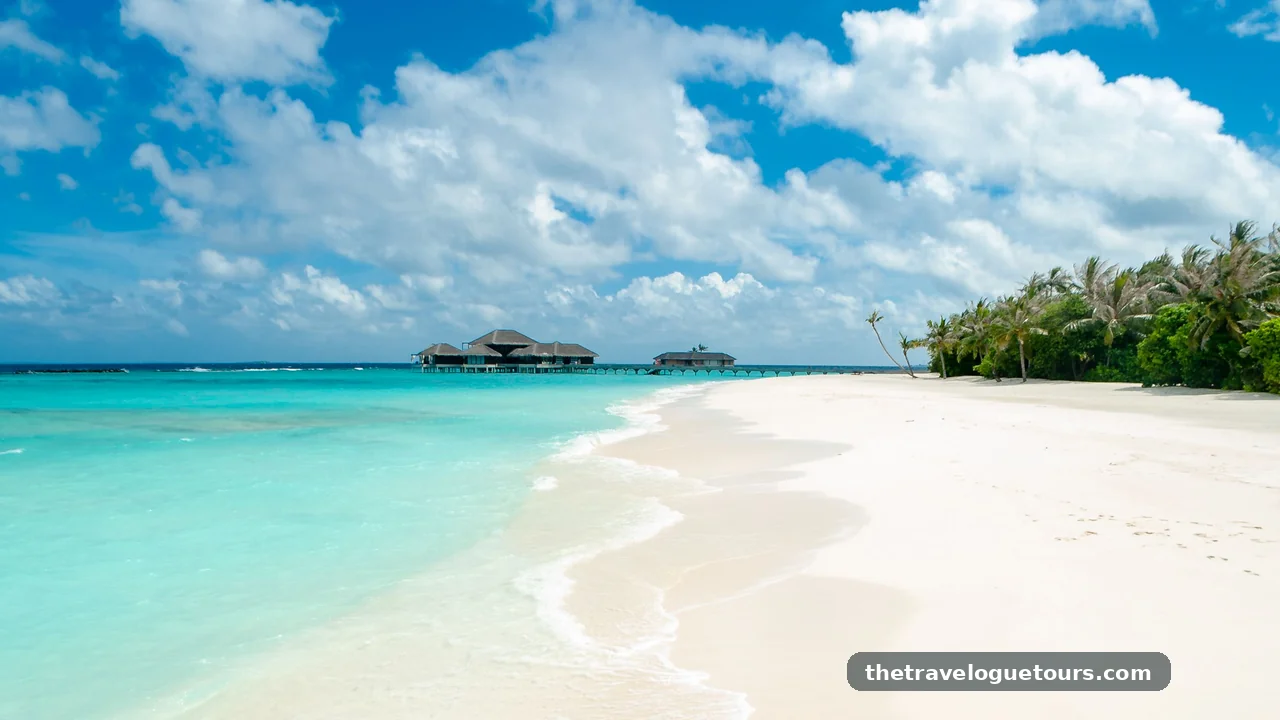
This is the decision that shapes everything, so get it right. St Lucia has two main resort zones, and they feel like different islands.
Rodney Bay and Gros Islet sit in the north. This is the lively side, with the island’s best known beach at Reduit, restaurants you can walk to, and nightlife if you want it. Pick this coast if you like having options within reach.
Soufriere is the southwest, tucked between the Pitons. The scenery here is unreal, with volcanic beaches, rainforest, and the famous drive-in volcano. The trade off is remoteness, since restaurants and excursions require more driving.
Marigot Bay and Castries sit between the two. These work if you want calm without total isolation. Many couples split their stay, a few nights in Soufriere for the wow factor and the rest up north for the beach life.
Avoid booking purely on resort photos. A stunning infinity pool photo tells you nothing about whether you will spend your honeymoon in a taxi. Pick the area first, then the hotel.
The Romantic Things Actually Worth Your Time
The Pitons are the headline, and they earn it. Gros Piton and Petit Piton rise straight from the sea, and the twin peaks are a UNESCO World Heritage site listed for their volcanic landscape. You can hike Gros Piton with a guide, or simply watch the peaks turn gold from a beach at sunset.
Sulphur Springs is the drive-in volcano in Soufriere. You walk through the crater, then soak together in warm mineral mud baths that couples swear by. It is touristy and you will love it anyway.
A sunset catamaran sail along the west coast might be the most honeymoon thing on the island. You glide past fishing villages with rum punch in hand while the Pitons shrink behind you. Book the small boat versions with fewer than thirty people.
For beaches, Sugar Beach between the Pitons has the postcard view, and Reduit Beach in the north has the calmest swimming. Anse Chastanet is the pick for snorkeling right off the sand.
Skip the activities that keep you in a van all day. On a honeymoon, one great morning outing plus an unhurried afternoon beats a packed itinerary every time.
What a St Lucia Honeymoon Really Costs
St Lucia can be a mid range trip or a splurge, depending on where you sleep. Mid range hotels and guesthouses typically run a few hundred dollars a night in high season, while luxury resorts climb well past that.
Flights from the US East Coast typically land in the mid hundreds round trip when booked early. Flying into Hewanorra International Airport in the south means a longer transfer, so factor that into your plans.
Food and activities are where budgets leak. A casual dinner for two at a beachside restaurant typically costs far less than a resort restaurant, and excursions like catamaran sails are usually priced per person. Set a daily fun budget before you go.
The honest move is to price the whole trip before you fall in love with one hotel. Our budget trip planning guide walks through building a real trip budget so the honeymoon does not follow you home as credit card debt.
Shoulder season, meaning May, June, and November, is the sweet spot for value. The weather is still good and prices drop noticeably from the winter peak.
Getting There and Getting Around
Most US travelers connect through Miami, Charlotte, or New York to reach Hewanorra International Airport. The airport sits at the island’s southern tip, so the drive to Rodney Bay takes about ninety minutes.
Arrange your transfer before you land. Most hotels offer shuttle service, and private drivers are widely available. Landing at night after a long travel day is not when you want to negotiate a taxi.
You do not need to rent a car unless you plan to explore daily. Taxis are the default for most visitors, and many excursions include pickup. If you do drive, remember St Lucia drives on the left.
Travel insurance matters more on a honeymoon than on a normal trip, because you are protecting the biggest trip you have booked in years. Read our travel insurance guide for beginners before you buy, since honeymoon timing makes the cancellation coverage especially important.
Your Six Month Planning Timeline
Six months out, pick your travel month and your area of the island. These are the two decisions that unlock everything else, and they are hard to change later.
Five months out, book flights and accommodation. Honeymoon rooms with the best views sell first, and booking early usually means better rates on both.
Three months out, research excursions and make a short list. Check the official St Lucia tourism site for current events and festivals that might overlap with your dates.
One month out, confirm every booking, arrange your airport transfer, and check passport expiry dates. Most Caribbean destinations want six months of validity left on your passport.
One week out, pack light and stop planning. Swimwear, one nice outfit, reef safe sunscreen, and your documents are the whole list. The island handles the rest.
St Lucia Honeymoon FAQ
When is the best time for a St Lucia honeymoon?
December through April has the driest weather and the highest prices. For lower prices with good weather, try May, June, or November, when the rain is mostly short afternoon showers.
How many days do you need in St Lucia?
Seven days is the sweet spot for a honeymoon. It gives you beach days, one or two excursions, and room to do nothing, which is the whole point.
Is St Lucia expensive for a honeymoon?
It can be, but it does not have to be. Mid range hotels, casual local restaurants, and shoulder season travel keep costs reasonable, while luxury resorts push the trip into splurge territory.
Should we stay in Soufriere or Rodney Bay?
Choose Soufriere for dramatic scenery and a quieter, romantic feel. Choose Rodney Bay for beaches, restaurants, and nightlife within walking distance. Splitting your stay gives you both.
Do I need a passport to visit St Lucia?
Yes, US citizens need a valid passport to enter St Lucia, with at least six months of validity recommended. Check the official requirements before you book, since rules can change.
Six months from now you will watch the sun drop behind the Pitons and wonder why you ever stressed about this. The planning is just the price of admission.
Pick the area, book the month, protect the trip, and let St Lucia do what it does best. The rest is just details you will laugh about later.