
How to Choose the Right Destination for Every Season
I once booked a beach holiday during monsoon season because the flights were cheap. I spent five days watching rain…
I once booked a beach holiday during monsoon season because the flights were cheap. I spent five days watching rain hammer the windows. The destination was not the problem; my timing was. That trip taught me the most underrated travel skill there is: choosing the right destination for the season you are actually traveling in.
Season affects everything: weather, prices, crowds, safety, and whether the thing you came to see is even open. Get the season right and even an average destination feels extraordinary.
Why Season Matters More Than You Think
Season shapes far more than temperature. It decides whether trails are open, whether seas are calm enough for boats, whether festivals are on, and whether you are paying double or half for the same hotel room.
I learned to check three things before choosing anywhere: climate, crowds, and cost. If all three look good for my dates, I book. If two out of three are bad, I pick somewhere else.
Peak Season Isn’t Always Best
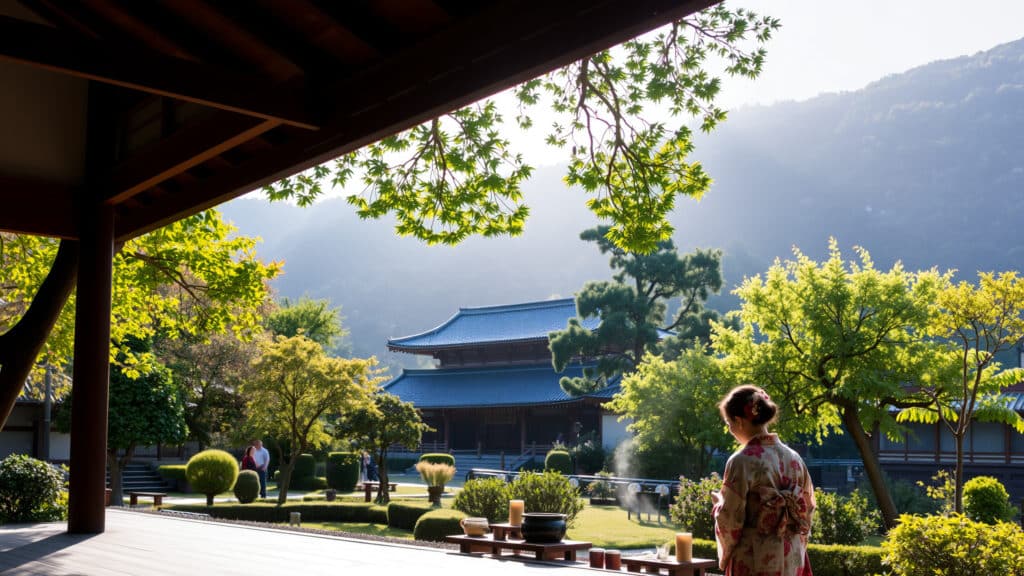
Peak season means ideal weather, but also peak prices, peak crowds, and minimum flexibility. I visited Kyoto during cherry blossom season once; the blossoms were stunning and so were the hour-long queues for everything.
These days I deliberately avoid peak months in famous places. The destination does not change; the experience around it does.
Shoulder Season: The Sweet Spot
Shoulder season, the weeks on either side of peak, is where I do most of my traveling. The weather is still good, prices drop 20-40 percent, and you can actually get a dinner reservation.
Southern Europe in late spring, Southeast Asia’s greener shoulder months, the Maldives in April: all deliver 90 percent of the peak experience at a fraction of the cost. My Maldives month-by-month guide shows exactly how this works. UN Tourism research backs this up: spreading travel across seasons improves both visitor satisfaction and sustainability.
Off-Season Needs Research, Not Avoidance
Off-season gets a bad reputation it does not always deserve. Some places simply get quieter and cheaper. Others genuinely shut down, flood, or freeze.
The difference is research. Check monsoon dates, road closures, and whether attractions actually operate in your month. Lonely Planet’s destination guides keep current climate and condition data, and I cross-check them against recent traveler reviews before committing.
Match Weather to Your Plans
Stop choosing destinations by temperature alone. Choose by activity. Beach trips need dry, calm months. Hiking needs mild, stable weather. City breaks are actually better in cooler months when walking all day does not melt you.
Wildlife travel is the most seasonal of all: migrations and breeding seasons do not negotiate. If animals are the goal, plan the entire trip around their calendar.
Don’t Ignore Cultural Seasons
Festivals and holidays can transform a trip, for better or worse. I have stumbled into incredible local festivals by luck, and I have also arrived during national holidays to find every bus sold out.
Check the cultural calendar before booking. For health considerations around heat waves or huge gatherings, the World Health Organization’s travel health guidance is the authoritative source.
Seasonal Travel Saves Money
This is the budget traveler’s superpower. Flights, hotels, and tours are all priced on demand, so shifting your trip by a few weeks can cut the total cost dramatically without cutting any quality.
I combine seasonal timing with my usual money tactics: my $50-a-day budget system and my method for booking cheap hotels online. Together they routinely halve what a peak-season traveler pays.
Nature vs. Cities: Know the Difference
Nature destinations are ruthlessly seasonal. Trails close for snow, islands get rough seas, deserts turn dangerous in summer. Get the month wrong and the thing you came for may not exist.
Cities are far more forgiving; museums and restaurants do not close for rain. That makes cities perfect for off-season trips. Quiet beach towns work beautifully too; see my underrated beach towns for coastal picks that shine outside peak months.
Know Yourself, Stay Flexible
Be honest about your own preferences. I wilt in extreme heat, so I do not book deserts in summer no matter how cheap the flights. Some travelers chase festivals; I chase quiet. There is no universally right season, only the right season for you.
Keep your dates flexible when you can. If one region is entering monsoon, another is entering its best weeks. And pack for the season you are actually visiting; my packing hacks cover the tropical-to-winter range.
Final Thoughts
Choosing the right destination for your season is not about perfection. It is about alignment: the right weather for your plans, the right crowds for your temperament, the right prices for your budget.
Travel in the right season and even an average destination feels extraordinary. Travel in the wrong one and even paradise disappoints. The calendar is the cheapest upgrade in travel.




4 Comments