
10 Italian Dishes That Tell the Story of Italy
Italy never had one kitchen. These ten traditional dishes map the regions, from Milanese risotto to Sicilian arancini, so you can taste the history of Italy one plate at a time.
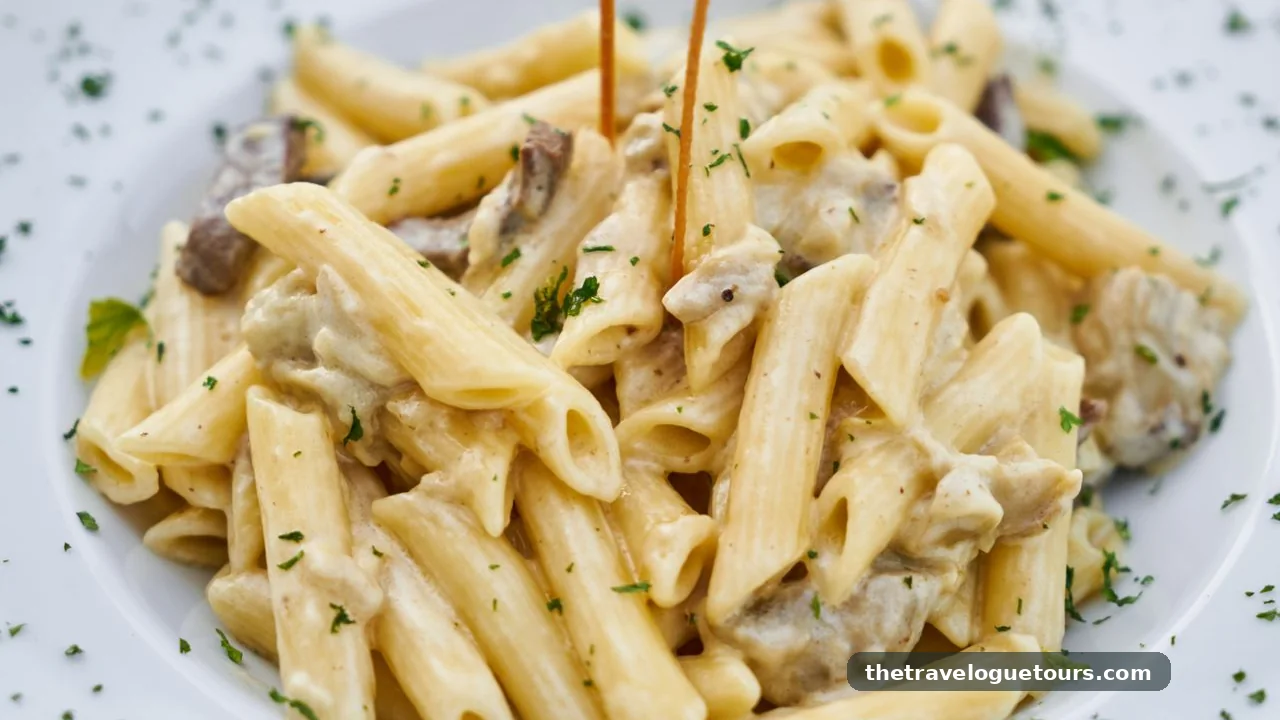
You can read the history of Italy in a textbook, or you can eat it. One plate of slow cooked ragu in Bologna tells you more about the Po Valley than a whole chapter on medieval trade routes ever will.
That is the secret most first time visitors miss. Italy never had one kitchen. It had twenty, each shaped by invaders, farmers, sailors, and grandmothers who refused to waste a single crumb.
So this is not just a list of famous dishes. It is a map. Follow these ten plates from Milan to Sicily and you will taste why the north cooks with butter, why Rome guards its pasta rules like law, and why the south still eats like the sea is next door.
Pack an appetite and leave your diet at the border. Here are the ten traditional Italian dishes that tell the story of Italy, region by region.
First, Understand Why Italy Cooks in Regions, Not One Style
For most of its history, Italy was not one country. It was a patchwork of kingdoms, republics, and foreign rulers, and unification only came in 1861. That is why a cook in Turin and a cook in Palermo can both claim their food is truly Italian and both be right.
The fastest way to feel this is to walk a local food market before you sit down to eat. You will see what grows nearby, what the sea brought in that morning, and what nonna is buying for Sunday lunch. Our guide to the world’s best food markets for travelers shows how to shop and snack your way through them without looking lost.
Keep that map in your head as you read. Every dish below belongs to a place, and the place explains the plate.
Northern Italy: Butter, Rice, and Slow Sundays
The north is the wealthy, misty half of Italy, where rice paddies stretch across the Po Valley and dairy farms make butter the fat of choice. Milan, Bologna, and Genoa form a delicious triangle you can cross in a few hours. If you are hopping between them, our beginner guide to traveling Europe by train makes the connections simple.
1. Risotto alla Milanese, Milan
Golden with saffron and finished with butter and Parmigiano, this is Milan on a plate. Legend says it was born in 1574 when an apprentice glassmaker, who used saffron to tint cathedral windows, tossed the spice into a wedding risotto as a joke.
The joke became the signature of Lombardy. Order it as a primo, never as a side, and you will understand why Milanese cooks treat rice with the reverence others reserve for pasta.
2. Ragu alla Bolognese, Bologna
Forget the spaghetti bolognese of your childhood. In Bologna, ragu is a slow, patient sauce of beef, pork, soffritto, wine, and milk, simmered for hours until it turns silky.
It clings to broad tagliatelle, never spaghetti, because the city decided long ago that shape matters. Bologna is nicknamed La Grassa, the Fat One, and one forkful explains why.
3. Pesto alla Genovese, Genoa
High above the port of Genoa, basil grows sweet and small, and sailors once carried it on long voyages. Crushed with pine nuts, garlic, Parmigiano, and Ligurian olive oil in a marble mortar, it becomes the bright green sauce of the Riviera.
Toss it with trofie or trenette, and add potatoes and green beans to the pot the way Genoese families do. Purists will tell you a blender bruises the basil, and in Liguria you do not argue with purists.
4. Ossobuco alla Milanese, Milan
Cross cut veal shanks braised slowly in white wine and broth until the meat surrenders and the marrow turns to silk. It is traditionally served over saffron risotto, which means Milan gives you two legends on one plate.
The gremolata of lemon zest, garlic, and parsley scattered on top cuts the richness like a bell. This is winter food from a city that knows how to wait out the fog.
5. Tiramisu, Treviso (Veneto)
Coffee soaked savoiardi layered with mascarpone cream and dusted with cocoa, born in Treviso in the late 1960s at the restaurant Le Beccherie. Its name means pick me up, and it does exactly that.
Every region now claims a version, but the Veneto original stays light and barely sweet. End a northern meal with it and you will see why Italy exports this dessert to every corner of the planet.
Central Italy: Rome and the Peasant Table
Central Italy is where cucina povera, the cooking of the poor, became world famous. Shepherds, farmers, and offal butchers built flavor from almost nothing, and Rome turned restraint into an art form.
Roman menus can feel short to newcomers, because the city perfects a few dishes instead of inventing new ones. If you want to see how deep the bench goes, the TasteAtlas ranking of the 100 most popular dishes in Italy is a fun checklist for the dishes that did not make this list.
6. Spaghetti alla Carbonara, Rome
Crisped guanciale, Pecorino Romano, eggs, and black pepper, tossed off the heat so the sauce turns creamy without a drop of cream. Romans will defend this recipe with genuine fury, and honestly, they have earned the right.
Its exact birthday is debated, with stories ranging from wartime rations to charcoal workers. What is certain is that carbonara is the dish Rome measures all others against.
7. Cacio e Pepe, Rome and Lazio
Three ingredients: tonnarelli pasta, Pecorino Romano, and toasted black pepper. Shepherds in the Lazio hills carried aged cheese and pepper on long treks, and this was their dinner.
It looks simple and punishes arrogance. The cheese must melt into a glossy sauce, never clump, which is why Romans say you can judge a cook by this plate alone.
8. Ribollita, Tuscany
A thick soup of cannellini beans, cavolo nero, and stale bread, cooked, then reboiled the next day, which is what ribollita means. Tuscan peasants wasted nothing, and day two always tasted better than day one.
It is humble, filling, and deeply savory, the opposite of fussy restaurant food. Eat it in a Florentine trattoria in autumn and you will taste five hundred years of thrift in one spoon.
The South and the Islands: Sun, Sea, and Street Food
South of Rome, olive oil replaces butter, tomatoes take over, and Arab, Greek, and Spanish invaders all left fingerprints on the menu. The flavors get bolder because the history is louder. Our curated guide to European destinations for every traveler will help you plan the southern half of your trip beyond the famous cities.
9. Pizza Napoletana, Naples
A blistered, leopard spotted crust, San Marzano tomatoes, fior di latte, basil, and olive oil, baked for ninety seconds in a wood fired oven. In 1889, pizzaiolo Raffaele Esposito made one in the colors of the Italian flag for Queen Margherita, and the Margherita was born.
Naples treats pizza as cultural heritage, and UNESCO agrees. Eat it folded in the street, and you are tasting the dish that conquered the planet without ever leaving its neighborhood behind.
10. Arancini, Sicily
Golden fried balls of saffron risotto stuffed with ragu, mozzarella, or butter and ham, a legacy of Arab rule in Sicily. The name means little oranges, for their shape and color.
They were the original travel food, designed to be carried and eaten by hand. Grab one from a Palermo rosticceria and you hold a thousand years of invasions in your palm.
Italian Dishes FAQ
What is the most traditional Italian dish to try first?
Start with pizza Napoletana in Naples, where it was born. It is the purest expression of Italian cooking: a few perfect ingredients, fierce heat, and no shortcuts. Once you taste the original, every other pizza makes sense.
What should I eat in Rome besides the famous pasta dishes?
Try suppli, fried rice croquettes with a molten mozzarella heart, and carciofi alla giudia, crispy twice fried artichokes from the Jewish quarter. For dessert, order maritozzo, a sweet bun filled with whipped cream that Romans eat for breakfast. Rome rewards curious eaters.
Is Italian food very different in the north and the south?
Yes, and the split is historic. The north cooks with butter, rice, and polenta, shaped by Alpine dairy farms and wealthy courts. The south and the islands use olive oil, durum wheat pasta, and tomatoes, shaped by sun, sea, and centuries of Arab and Spanish rule.
What does cucina povera mean?
It means the cooking of the poor, and it is the soul of Italian food. Peasant cooks built deep flavor from stale bread, beans, greens, and offcuts, wasting nothing. Dishes like ribollita and pappa al pomodoro prove that restraint can taste better than luxury.
When is the best time of year for a food trip to Italy?
Spring and autumn offer the best balance of harvest seasons and comfortable weather. Autumn brings truffles, porcini, and new olive oil, while spring brings artichokes and asparagus. Summer works too, but book ahead, since sagre food festivals fill small towns fast.
When you are ready to turn this list into an itinerary, start with the official tourism board for regional food festivals, seasonal specialties, and travel ideas. The official Italia tourism site is the most reliable place to check what is in season before you book.
Eat slowly, order the local wine, and never rush a meal that took centuries to perfect. The story of Italy is written in its food, and every traveler gets to read it one delicious plate at a time.






2 Comments