How to Survive a Red-Eye Flight
A practical before, during, and after plan for surviving a red-eye flight: pack a sleep kit, sleep in economy, and land ready for your meeting or your day.
Tonight You Fly, Tomorrow You Function
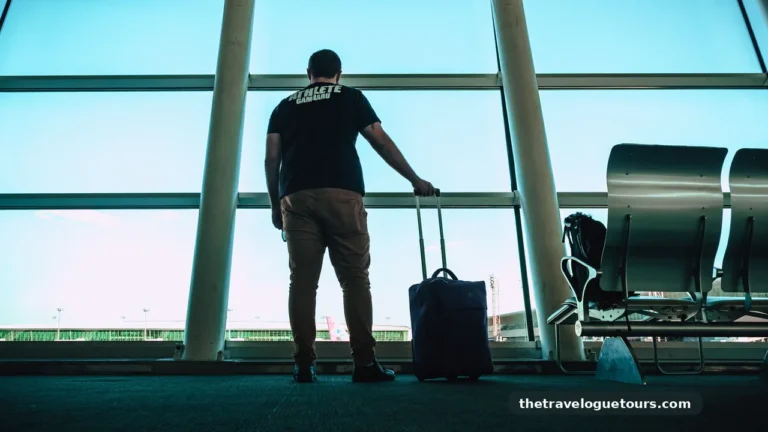
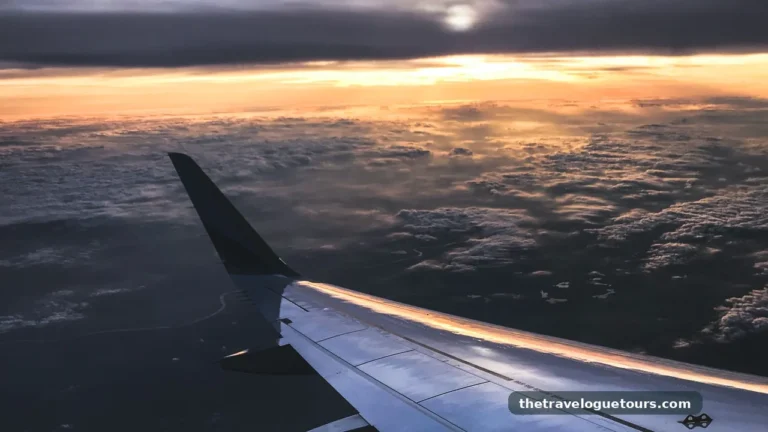
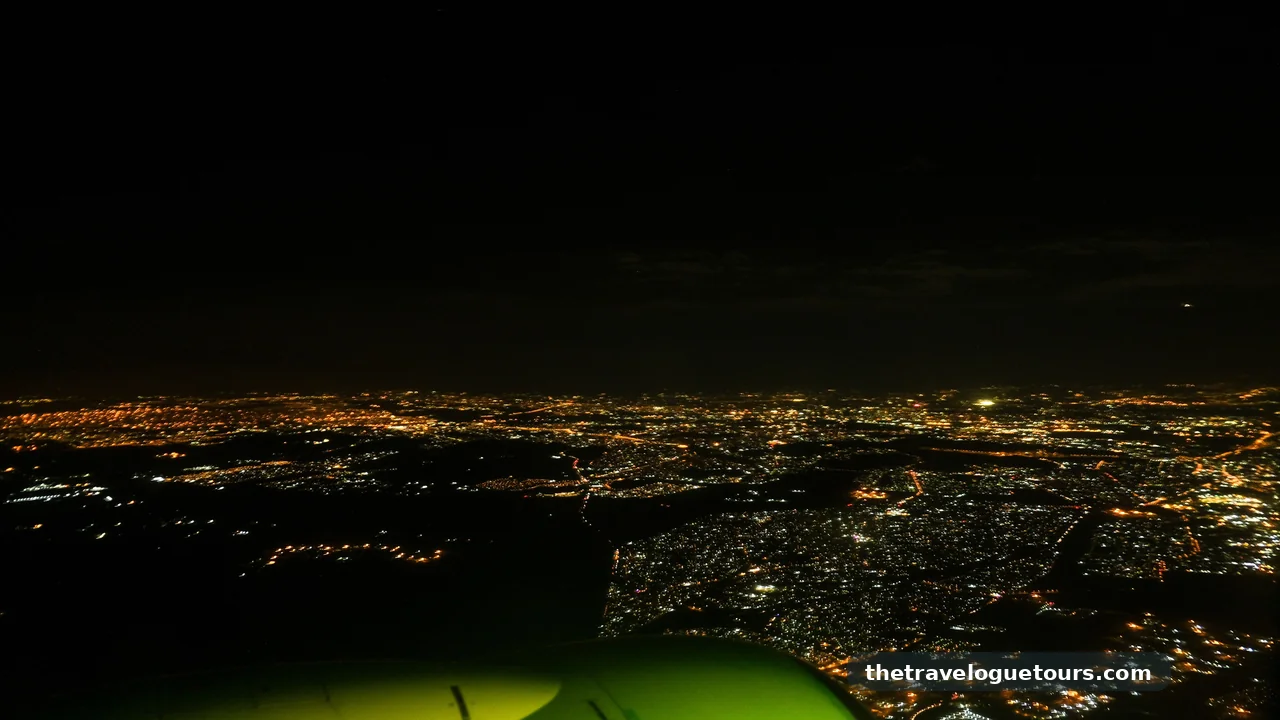
You are boarding a red-eye tonight, and tomorrow morning you need to be a functioning human with a meeting to run or a city to explore. That is the whole brutal challenge of the overnight flight: seven cramped hours in a metal tube, then straight into your day.
Most travelers just hope for the best and arrive as zombies, squinting at their phones in the arrivals hall. You are not doing that. This is your plan, split into before, during, and after, so you land tired but capable instead of destroyed.
Nothing here requires business class or fancy gear. It takes a little prep this afternoon, smart choices at the airport, and some discipline once the cabin lights go down.
Before You Board: Set Up the Night
Eat a real dinner at a normal hour, something light and familiar that your stomach already knows. A heavy airport meal sits badly at 35,000 feet, and skipping dinner guarantees you wake up starving around two in the morning with hours still to go.
Take a short nap this afternoon, 20 to 30 minutes, with an alarm you trust. You want to take the edge off your tiredness, not steal the sleep you will need on the plane.
Get to the airport early enough to clear security without rushing, then walk the terminal until boarding starts. A little movement before hours of sitting helps your body settle into the seat, and the airport survival tricks frequent flyers swear by make the wait almost painless.
Change into comfortable clothes before boarding if you can, or at least loosen everything once you sit down. Compression socks are worth packing too, because ankles swell on overnight flights and stiff legs make sleep harder.
Board hydrated, not buzzed. A glass of water before the gate and none of the farewell drinks, because alcohol now means broken sleep later and a headache that lands with you.
Pack a Sleep Kit in Your Personal Item
Your personal item needs a small sleep kit: a decent eye mask, foam earplugs or noise-cancelling earbuds, and a neck pillow that actually fits your neck. These three things decide whether you sleep for hours or stare at the seatback screen until sunrise.
Add a light blanket or a big scarf, because cabin air runs cold right when your body temperature drops in the night. A scarf doubles as a booster behind your neck pillow, and fitting all of this into one bag is easier than it sounds with a few smart packing tips for travelers.
Skip the wine at the gate and the nightcap on board. Alcohol feels like it helps you drop off, but it fragments your sleep and dehydrates you, so you wake up around three in the morning dry-mouthed, wired, and annoyed.
Keep a water bottle and a small snack in the seat pocket, not the overhead bin. Waking up thirsty or peckish is fine; climbing over a sleeping stranger at midnight is not.
How to Actually Fall Asleep in an Economy Seat
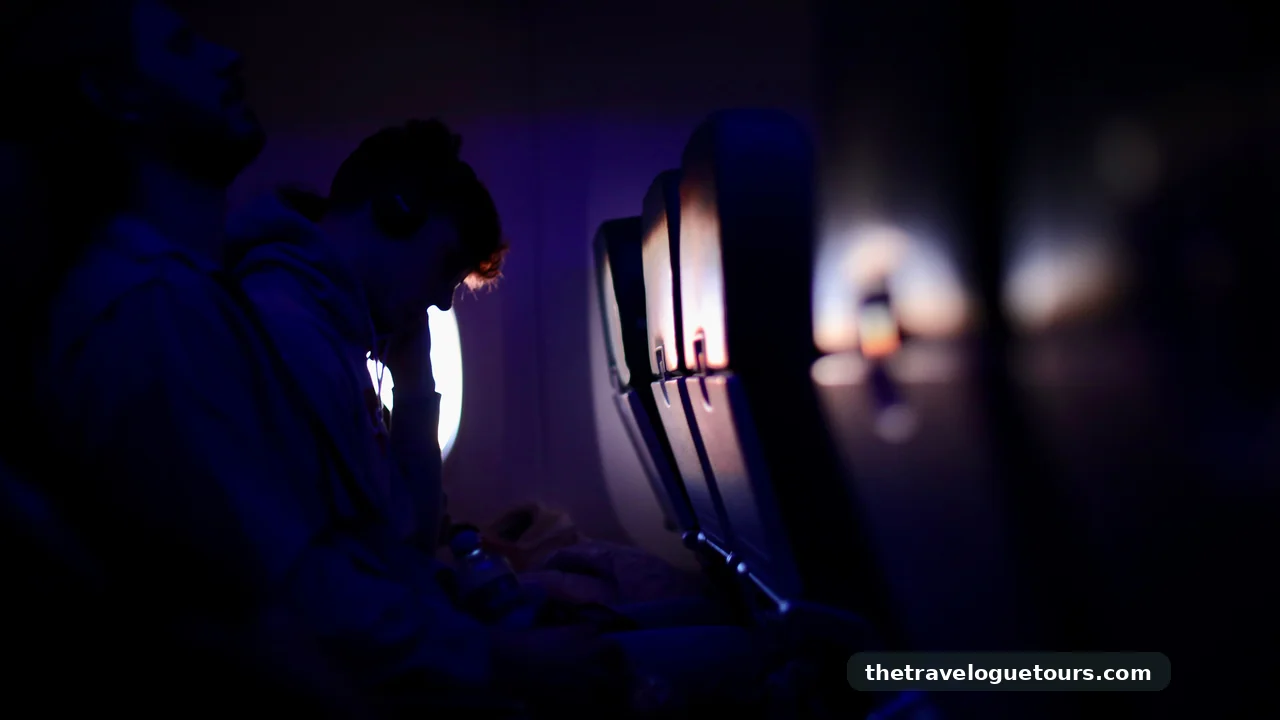
Treat seat selection like your morning depends on it, because it does. A window seat gives you a wall to lean on, nobody climbs over you, and you control the shade, which matters more than legroom when sleep is the goal.
When the seatbelt sign goes off, recline, put the mask on, and block the noise before the cabin lights dim. Your body takes the hint faster when light and sound cut out together, so do not wait for the crew to start the routine.
Sleep experts point out that a consistent wind-down routine tells your brain it is time to sleep, even in a strange place. The flying sleep tips published by the Sleep Foundation say the same thing in plainer words: darkness, quiet, and stillness are the whole trick.
If your mind races, do not check the flight map every twenty minutes. Breathe slowly, drop your shoulders, unclench your jaw, and let the engine drone work like white noise.
Most people drift off within the hour once they stop fighting the seat. If you are still awake after two hours, do not panic; resting quietly with your eyes closed still banks real recovery for tomorrow.
The Small Comforts That Add Up
Ask for water every time the crew passes, and drink it. Cabin air is drier than a desert, and dehydration is the quiet reason so many people land with headaches.
Get up once during the night, stretch in the galley, and walk back. It sounds minor, but moving your legs keeps the blood flowing and stops that stiff, swollen feeling at landing.
Be a good seat neighbor: keep your light off, your voice down, and your elbow on your own armrest. A calm row sleeps better, and that includes you.
Waking Up: The Last 90 Minutes
When the crew raises the lights about 90 minutes before landing, do not try to squeeze in more sleep. Sit up, drink a full glass of water, and let your body start shifting into day mode.
Eat the breakfast they serve, even if it is only a few bites. Food tells your body it is morning, and arriving on an empty stomach makes every symptom of tiredness feel twice as bad.
Splash cold water on your face in the lavatory, brush your teeth, and change into a fresh shirt if you packed one. These three small resets make you look and feel noticeably more human by the time you reach the gate.
Put on sunglasses only after you are through the terminal, not before. You want the morning light hitting your eyes on the way out, since that is what tells your brain the night is over.
Landing Day: Stay Awake Until Bedtime
Sunlight is your best tool, so get outside within an hour of landing. A 20 minute walk in daylight resets your body clock faster than anything else, and these jet lag recovery strategies explain why light timing beats every supplement on the shelf.
Have coffee if you need it, but cut yourself off by early afternoon. A late coffee borrows energy from tonight, and tonight you need deep sleep in a real bed.
Keep moving through the day and eat your meals at local times, even if your appetite disagrees. The CDC traveler health guidance reminds flyers that hydration, movement, and daylight are the basics of arriving well, and red-eyes are where those basics matter most.
If you must nap, keep it under 30 minutes and set two alarms. A short nap takes the edge off; a three hour nap feels amazing and quietly ruins the whole plan, because you will be wide awake at midnight.
Go to bed at a normal local time, not the moment you feel tired at 7 p.m. Push through the evening with a walk, a real dinner, and a hot shower, and you will sleep through the night like you never left home.
Red-Eye Flight FAQ
Should I nap before a red-eye flight?
Yes, but keep it short. A 20 to 30 minute nap in the afternoon takes the edge off without stealing the sleep you need on the plane. Skip the nap entirely if you fall asleep easily and worry you will not wake up in time.
Is a window or aisle seat better for sleeping on a red-eye?
The window seat wins for sleep. You get a wall to lean against, no one climbs over you, and you control the shade. Pick the aisle only if you know you will need the bathroom often.
Does melatonin help you sleep on a red-eye?
Some travelers find it helps them drift off, but timing and dosage matter and it is not right for everyone. Talk to your doctor before your trip if you are considering it, and never mix it with alcohol.
How do I stay awake after landing from a red-eye?
Get into daylight within an hour, keep moving, and eat meals at local times. Have coffee only before early afternoon, and if you nap, keep it under 30 minutes with an alarm set.
What should I avoid eating and drinking on a red-eye?
Skip alcohol and heavy, greasy food before and during the flight, since both wreck sleep quality and leave you dehydrated. Eat a light dinner before boarding, drink water through the flight, and have breakfast when the crew serves it.
You will not feel perfect tomorrow, and that is completely fine. The goal was never flawless; it was functional, and landing tired but capable beats arriving destroyed every single time.
Pack the kit, pick the window, skip the wine, and chase the sun. Your red-eye does not have to feel like a zombie movie, not this time.