10 Countries Where Digital Nomads Actually Thrive
The hammock photos lie. Here are ten countries where remote work actually works, judged on visas, internet, costs, and time zones.
The Laptop Life Is Real, But Only in the Right Place
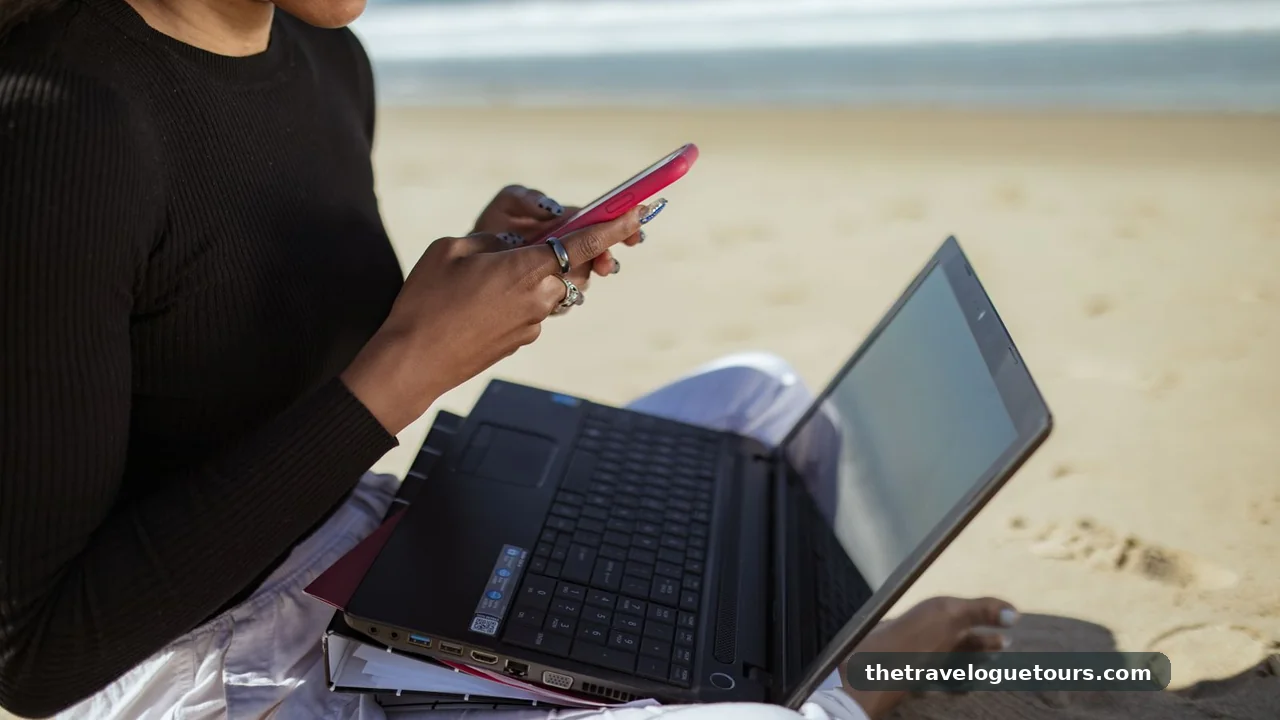
Forget the hammock photos. The real digital nomad life is 90 percent spreadsheets of visa rules, internet speed tests, and rent math, and 10 percent sunsets.
Get the boring 90 percent right and the lifestyle takes care of itself. Get it wrong and you are the person crying on a client call from a hostel with one bar of WiFi.
This list skips the fantasy. These are 10 countries where remote workers actually thrive, judged on the 4 things that matter: a legal way to stay, reliable internet, honest costs, and time zones that let you keep your job.
1. Portugal
Portugal remains the easiest on ramp to nomad life in Europe. The country offers a dedicated digital nomad visa that typically asks for remote income around 4 times the national minimum wage, about €3,680 a month in 2026, and both Lisbon and Porto have dense coworking scenes with fiber internet nearly everywhere.
Rents in Lisbon have climbed hard in recent years, so budget like a local, not a tourist. If you want the same Atlantic light for less, look at Porto or the island of Madeira, which even built a village aimed at remote workers. Our digital nomad essentials guide covers the gear and setup habits that make a base like this actually work day to day.
2. Thailand
Thailand finally gave nomads a proper legal path with the Destination Thailand Visa, a 5 year multiple entry visa that typically allows 180 day stays, extendable once by another 180 days, and asks for proof of savings around 500,000 baht. Check the current terms on the Thai foreign ministry page before you plan, because details shift.
Chiang Mai is still the budget capital of nomad life, with rents a fraction of Western cities and coworking cafes on every corner. Bangkok suits those who want big city speed, literally, with some of the fastest fixed internet in Asia. The trade off is time zones, since US hours mean night shifts, so Thailand fits Europe and Asia Pacific schedules best.
3. Spain
Spain runs a digital nomad visa that typically asks for remote income around double the national minimum wage, roughly €2,442 to €2,849 a month in 2026 depending on whether the office counts Spain’s 14 salary payments across 12 or 14 months, and it opens the door to Barcelona, Madrid, Valencia, and the Canary Islands. The time zone is kind to anyone working with Europe or the US East Coast mornings.
The catch is cost and competition. Rents in Barcelona and Madrid keep rising, and popular nomad neighborhoods fill fast. The Canaries offer year round spring weather and lower prices, which is why so many remote workers quietly relocate there.
4. Mexico
For North Americans, Mexico is the path of least resistance. The temporary resident route for remote workers typically asks for monthly income around $4,400 in 2026, or solid savings near $74,000, and it lets you live in your own time zone with direct flights home.
Mexico City has the deepest nomad infrastructure, from Roma Norte coworking spaces to weekend escapes in the surrounding mountains. Playa del Carmen and Puerto Vallarta trade big city depth for beach access and lower rents. Spanish helps everywhere, but you can function in English in the main hubs.
5. Vietnam
Vietnam has no dedicated digital nomad visa, and honesty matters here. Most long stay remote workers use the 90 day e-visa and visa runs, which works until it does not, so treat Vietnam as a medium term base, not a permanent plan, and keep an eye on rule changes.
The reward is value. Da Nang offers beach city living with fast internet and rents that feel like a typo, while Ho Chi Minh City gives you a real metropolis at Southeast Asian prices. The food alone justifies the flight.
6. Colombia
Colombia offers a digital nomad visa that typically asks for remote income of 3 times the Colombian minimum wage, about COP 5.25 million a month, roughly $1,500 in 2026, and Medellin has one of the most social nomad scenes on the planet. The eternal spring weather means your office view never needs a heating bill.
Time zones line up with the US, costs sit far below Western Europe, and the community makes it easy to arrive knowing nobody. If you are traveling alone for the first time, our first time solo traveler guide pairs well with a city this social.
7. Estonia
Estonia practically invented the digital nomad visa, and its bureaucracy is famously painless for a country that runs on code. Tallinn pairs a medieval old town with gigabit internet, and Nomads.com city data consistently ranks it among Europe’s most reliable remote work bases. The income bar is steep at €4,500 a month, so it suits established earners best.
The honest warning is winter. From November to February the days are short, dark, and cold, which tests even committed nomads. Come for spring through autumn, or embrace the sauna culture and stay the year.
8. Japan
Japan’s digital nomad visa typically allows a 6 month stay for high earners, with an annual income bar often cited around 10 million yen, and no extension: you must spend 6 months outside Japan before applying again. That is steep, but Japan rewards it with the best infrastructure on this list, from bullet trains to coworking spaces to internet that never blinks.
This is not a budget pick. Tokyo and Osaka rents will humble your savings, and the visa is short, so plan Japan as a chapter, not a base. For the right earner, though, few experiences beat working from a Kyoto machiya between temple visits.
9. Morocco
Morocco has no digital nomad visa, but many nationalities enter visa free for up to 90 days, which makes it an easy trial run. Our low visa stress country guide is worth a read if paperwork is your least favorite part of travel.
Marrakech and Taghazout are the 2 poles. One is a sensory overload of souks and rooftop coworking, the other a surf town where your lunch break is a wave. Costs are low, the light is golden, and Europe is a short flight away when you need it.
10. Georgia
Georgia gives many nationalities a full year of visa free entry, with no application and no income test, making Tbilisi one of the cheapest Europe adjacent bases in the world. The time zone sits just ahead of Europe, so your workday ends when theirs does.
Tbilisi’s old town is genuinely beautiful, the wine culture is older than Rome, and rents remain low by any Western standard. The nomad community is smaller than Lisbon’s, which some people count as a feature.
Digital Nomad FAQ
What is a digital nomad visa?
It is a residence permit that lets you live in a country while working remotely for a foreign employer or your own clients. Most ask for proof of remote income and health insurance, and they typically last 6 months to 2 years. Rules change often, so always check the official immigration page before applying.
How much money do I need to live as a digital nomad?
It depends entirely on the base. Southeast Asia and parts of Latin America can work on $1,500 to $2,000 a month, while Western Europe and Japan often need $3,000 to $4,000. Build a 3 month emergency buffer before you leave, because surprises are guaranteed.
Which countries have the best internet for remote work?
Estonia, South Korea, and Japan lead on reliability, while Thailand and Vietnam offer excellent speed for the price in major cities. Always test the actual connection in your specific apartment before signing a lease, since building level internet varies wildly.
How do I handle time zones as a digital nomad?
Choose a base within a few hours of your team or clients. The Americas pair well with Colombia and Mexico, Europe with Portugal, Spain, and Georgia, and Asia Pacific with Thailand and Vietnam. A brutal time zone gap is the fastest way to burn out, no matter how nice the beach is.
Do I need a digital nomad visa to work remotely abroad?
Not always. Many nomads start on tourist visas or visa free entries, but that is legally gray in most countries and limits your stay. A proper nomad or residence visa costs more effort upfront and buys you peace of mind, banking access, and longer stays.
The honest secret is that there is no best country, only the best country for your income, your time zone, and your tolerance for paperwork. Pick the place that fits your constraints first and your dreams second, and the lifestyle will take care of itself.
Start with a 3 month trial in one place before you commit to a year anywhere. Visa rules, rents, and internet speeds all change, but a careful first base teaches you exactly what you need from the next one.