
7 Cards With No Foreign Transaction Fees
Picture this. You land somewhere amazing, tap your card for a coffee, dinner, a museum ticket, and feel great about…
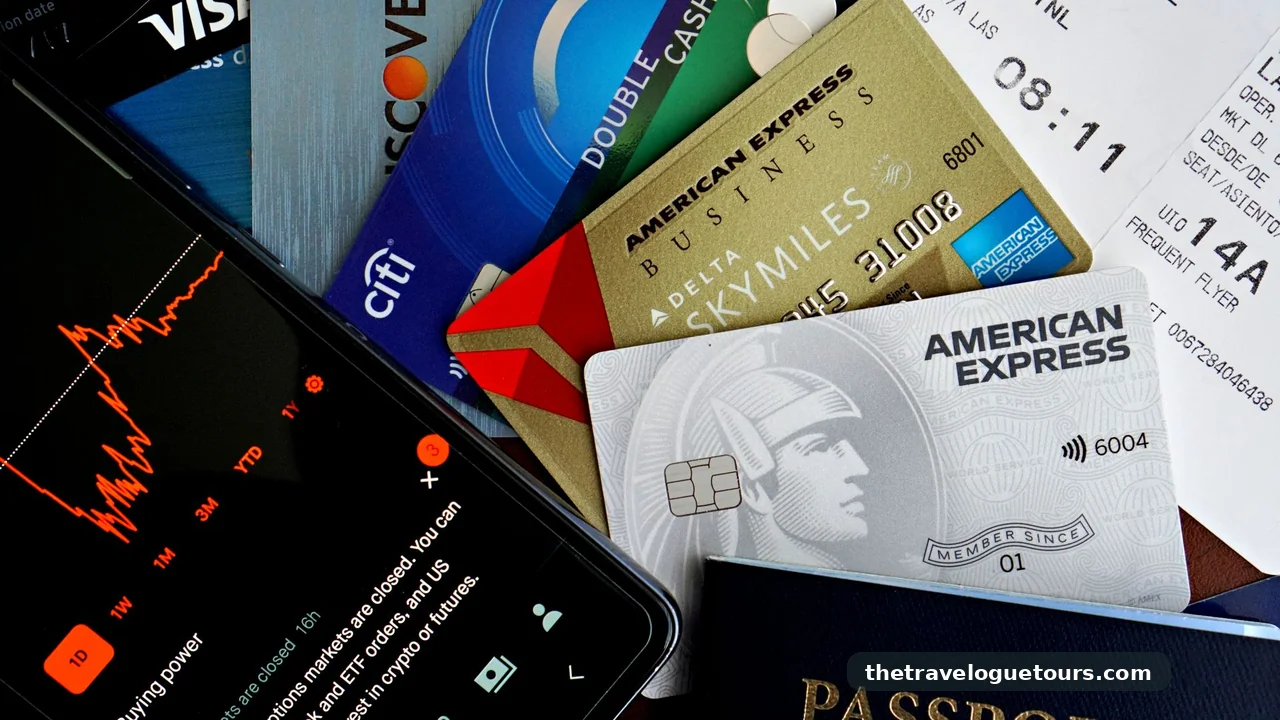
Picture this. You land somewhere amazing, tap your card for a coffee, dinner, a museum ticket, and feel great about it, until your statement arrives and every purchase is a little bigger than the price you saw. That is the foreign transaction fee at work, and most travelers never notice it until the trip is over.
Here is the good news. Plenty of excellent cards skip that fee entirely, and you do not need a premium wallet to get one. This guide rounds up 7 cards with no foreign transaction fees, explains who each one suits, and shows you how to use plastic safely once you land.
One note before we start. Card terms shift all the time, so treat every fee and perk below as typical, not guaranteed, and always check the issuer’s current terms before you apply.
What a Foreign Transaction Fee Actually Costs You
When you pay in another currency, your card network converts the amount, and many issuers add a fee on top, often around 1% to 3% of each purchase. It sounds small until you do the math on a 2-week trip. $1,000 of spending can quietly cost you an extra $20 or $30.
The fee hides in the exchange rate line on your statement, so it never feels like a single charge you can spot. That is exactly why a no-fee card is one of the easiest upgrades a traveler can make. You change nothing about how you travel, and the savings are automatic.
7 Cards With No Foreign Transaction Fees Worth a Look
Every card below charges no foreign transaction fee, based on how these products are typically structured. They run from travel rewards favorites to no-annual-fee workhorses to premium picks. If points confuse you, start with our beginner’s guide to traveling free on credit card points, then come back and pick your card.
1. Chase Sapphire Preferred
This is the card travel writers recommend to friends, and for good reason. It suits travelers getting their first serious travel rewards card, especially if you eat out and book trips often. It typically comes with an annual fee, but the rewards structure is built for people who actually travel.
Travelers love it because points can transfer to a long list of airline and hotel partners, which is where the real value hides. It also tends to earn boosted rewards on travel and dining. You can review the current terms and details on the official Chase Sapphire Preferred page before deciding.
2. Capital One Venture Rewards
Venture suits travelers who want flat, simple rewards on everything without memorizing bonus categories. You earn the same rate whether you are buying flights or groceries. It usually carries an annual fee in the mid range.
People like it because the miles are easy to use, and you can wipe travel purchases off your statement with them. It is a set-it-and-forget-it card for busy travelers. The official Capital One Venture page has the current terms if you want to compare.
3. Chase Sapphire Reserve
Reserve is the premium pick for frequent international travelers who want the trip itself to feel smoother. It typically comes with a high annual fee, often softened by travel credits for those who use them. This card only makes sense if you travel enough to use what it offers.
Travelers who love it point to airport lounge access and strong travel protections as the real draw. It turns long layovers and delayed flights into minor annoyances. Think of it as a luxury you earn through heavy travel, not a starter card.
4. American Express Gold
Gold suits travelers whose biggest trip expense is food, because it typically rewards dining spending generously. It usually comes with a mid-range annual fee. If your trips revolve around restaurants and street food, this one deserves a look.
Fans like it because the dining rewards stack up fast, and it pairs well with a travel card for flights. Just note that American Express acceptance can be spottier in some countries. Check how widely it is accepted where you are headed.

5. Discover it Miles
This is the no-annual-fee pick for budget travelers who want rewards without paying for the privilege. It typically charges no annual fee at all. The earning structure is simple, which makes it easy to actually use.
Travelers on a budget like it because every mile counts double in the first year under the typical welcome structure. The honest caveat is acceptance, since Discover is not as widely taken abroad as Visa or Mastercard. Bring a backup card if you choose this one.
6. Capital One Quicksilver
Quicksilver suits anyone who wants straightforward cash back with no annual fee and no foreign transaction fees. There are no categories to track and no points to decode. It typically charges no annual fee.
People keep it because the flat cash back rate applies to everything, at home and abroad. It is also a friendly first card for newer credit users. Simple is underrated when you are navigating a foreign city.
7. Bank of America Travel Rewards
This card suits travelers who already bank with Bank of America and want rewards that grow with their accounts. It typically charges no annual fee. Account holders can often boost their rewards rate through the bank’s loyalty program.
Travelers like it because the rewards are simple to redeem against travel purchases. There is no juggling of transfer partners. If your money already lives at Bank of America, this is the path of least resistance.
How to Choose the Right Card for Your Trip
Start with your travel style, not the flashiest perks, and count how many trips you take in a year first. If you travel 2 times a year, a no-annual-fee card probably beats a premium one whose credits you will never use. If you fly monthly, the premium perks start paying for themselves, so match the card to that number rather than to the perks list.
Next, check acceptance at your destination. Visa and Mastercard work almost everywhere, while American Express and Discover can be hit or miss in some regions. A quick search on your destination’s payment norms saves an awkward moment at checkout.
Finally, apply at least 1 or 2 months before you fly. New cards take time to arrive, and you want to test yours at home first. Rushing an application the week before a trip is how people end up abroad with the wrong card.
How to Use Your Card Safely Abroad
Always pay in the local currency when a terminal asks. If you choose your home currency, the merchant sets the exchange rate, and it is almost always worse. This trap even has a name: dynamic currency conversion.
Tell your bank your travel dates before you leave, or use the travel notice feature in the app. A sudden burst of foreign charges is exactly what fraud systems flag. A 2-minute heads-up keeps your card working.
Use the chip and tap to pay wherever it is offered, and never let your card leave your sight at restaurants. For cash withdrawals, pair your credit card with a debit card that skips international ATM fees, like the option covered in our guide to avoiding ATM fees worldwide.
And protect the trip itself, not just your payments. A good travel insurance policy covers the medical bills and cancellations a card cannot, so read our beginner’s guide to travel insurance before you fly.
Quick disclaimer. Credit card terms, fees, and rewards change often, and offers vary by applicant and region. Everything above describes typical structures, so verify the current terms with the issuer before you apply.
Travel Credit Card FAQ
What is a foreign transaction fee?
It is a surcharge your card issuer adds when you pay in a foreign currency or through a foreign bank. It is usually a small percentage of each purchase, and it shows up on your statement as part of the converted amount.
Do all credit cards charge foreign transaction fees?
No. Many travel-focused cards skip the fee entirely, including all 7 cards in this guide. If your current card charges one, check the terms or consider switching before your trip.
Should I pay in local currency or my home currency abroad?
Always choose the local currency. When a terminal offers to convert for you, that is dynamic currency conversion, and the rate is almost always worse than what your card network gives you.
Do I still need cash if I have a no-fee card?
Yes, carry some local cash for small vendors, taxis, and places that do not take cards. Use a debit card with no international ATM fees for withdrawals, and save your credit card for everything else.
How far in advance should I get a travel credit card?
Apply at least 1 or 2 months before your trip. The card needs time to arrive, and you will want to activate it and test it at home first. Last-minute applications are a gamble you do not need.





5 Comments