
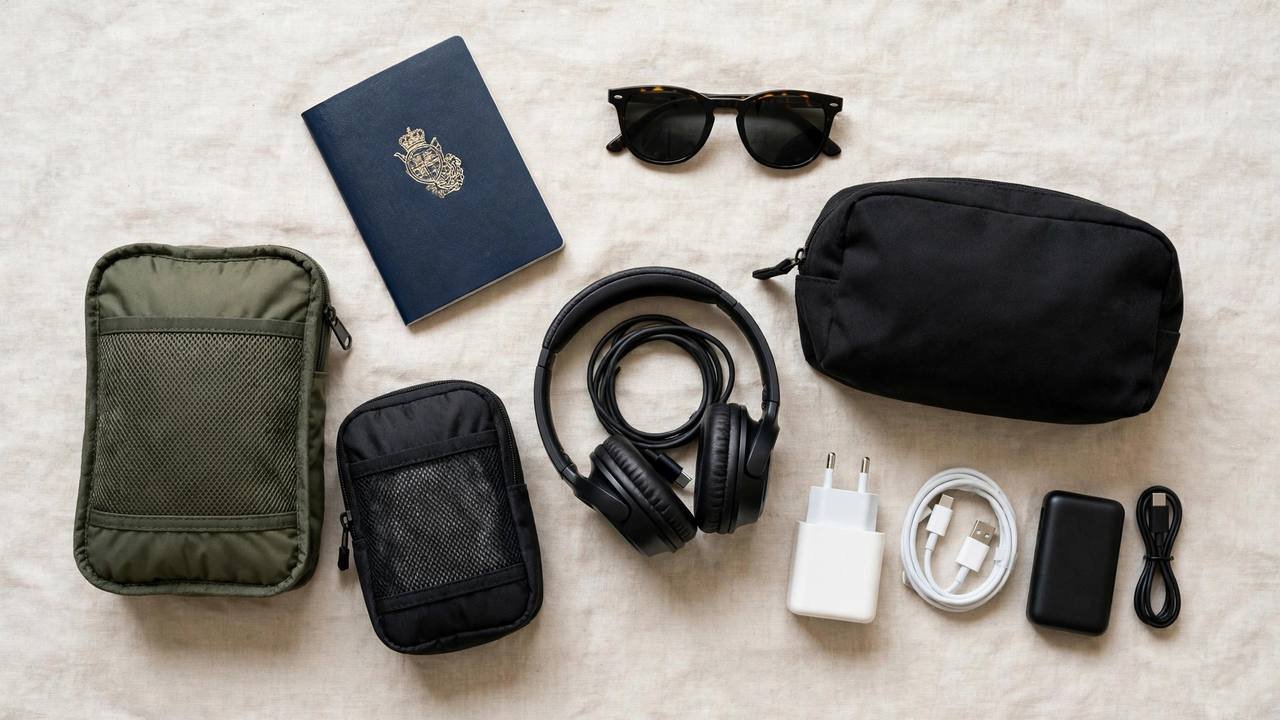
Travel Essentials You Should Never Forget
Ever arrived at your dream destination only to realize you forgot your passport, phone charger, or even clean underwear? It…
Ever arrived at your dream destination only to realize you forgot your passport, phone charger, or even clean underwear? It happens to the best of us. Even seasoned travelers occasionally overlook critical items. Whether you’re jetting off for a weekend getaway or heading out on a month-long backpacking trip, packing smart is just as important as choosing the right destination. This guide gives you a no-nonsense list of must-have items that ensure smooth, stress-free journeys, every single time.
Why Packing Right Matters
Travel mishaps often stem from one simple mistake: forgetting key items. A missing adapter can leave your phone dead in a foreign country. No travel insurance? One medical emergency could derail your entire trip. These aren’t just inconveniences, they’re potential trip-wreckers. That’s why identifying and packing the right essentials is non-negotiable.
Think of your packing list as your travel safety net. It’s not about overpacking; it’s about packing intentionally. The best travelers don’t rely on luck, they rely on preparation. From documents to digital tools, every item on this list serves a purpose. And when you’ve got them all, you travel with confidence, knowing you’re ready for whatever comes your way.
Documents and Identification
No packing list would be complete without emphasizing official documents. These aren’t optional, they’re mandatory. Start with your passport. If you’re traveling internationally, ensure it’s valid for at least six months beyond your return date. Many countries enforce this rule strictly, and denial of entry is a real risk.
Next, carry printed copies of your visa, travel insurance policy, and flight itineraries. While digital copies are convenient, having physical backups protects you if your phone dies or gets lost. Don’t forget hotel confirmations and any required health documents, like vaccination records, depending on your destination’s requirements.
Store these in a waterproof document organizer or a dedicated travel wallet. Keep one copy in your carry-on and another in your checked luggage. This redundancy ensures you’re never completely stranded if one set goes missing.
Digital Copies and Cloud Backups
In today’s connected world, digitizing your documents is a smart move. Upload scans of your passport, ID, and insurance to a secure cloud service like Google Drive or iCloud. Share access with a trusted friend or family member back home. If your bag is lost or stolen, you can quickly retrieve vital info from any internet-connected device.
Also, save digital boarding passes and e-tickets in your phone’s wallet app. Most airlines and hotels now support mobile check-ins, reducing the need for printed tickets. Just remember to charge your device before heading to the airport.
Electronics and Power Solutions
Modern travel runs on electricity. From navigation to communication, your devices are lifelines. That’s why power-related essentials include more than just your phone and camera.
Start with a universal travel adapter. Different countries use different plug types and voltages. A universal adapter works in over 150 countries and eliminates the need to buy separate converters. Pair it with a compact power strip to charge multiple devices at once, especially useful in hotel rooms with limited outlets.
Don’t overlook portable chargers. A high-capacity power bank (10,000mAh or higher) can recharge your phone multiple times during long layovers or days spent exploring. Look for models with fast-charging and dual USB ports. Solar-powered chargers are also great for outdoor adventures, though they’re slower and weather-dependent.
Essential Tech Gear
Beyond chargers, consider these tech must-haves:
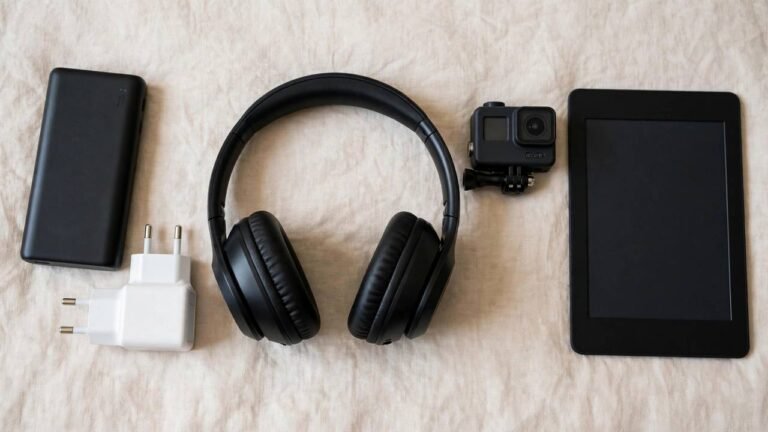
- Noise-canceling headphones: Perfect for flights, trains, and noisy hostels.
- E-reader or tablet: Lightweight alternatives to books, ideal for long journeys.
- Portable Wi-Fi hotspot: Essential if you’re traveling to areas with unreliable internet.
- Camera with extra batteries and memory cards: Don’t let a dead battery ruin your photo opportunities.
Always pack cables in a small tech pouch to avoid tangles and damage. Label them if you have multiple devices, this saves time and frustration at 30,000 feet.
Clothing and Personal Items
Clothing choices can make or break your trip. The goal isn’t to pack everything you own, it’s to pack versatile, weather-appropriate pieces. Focus on layering: a base layer, mid-layer, and outer shell allow you to adapt to changing conditions without overpacking.
Stick to a neutral color palette. Black, gray, navy, and beige mix and match easily, reducing the number of outfits you need. Pack clothes that can be hand-washed and dried quickly, merino wool and synthetic blends are ideal.
Don’t forget footwear. Bring one pair of comfortable walking shoes and one versatile pair (like stylish sneakers or flats) for evenings out. Flip-flops are great for beaches or hostel showers. Roll clothes instead of folding to save space and reduce wrinkles.
Toiletries and Hygiene
Toiletries are often overlooked until it’s too late. Pack travel-sized versions of your daily essentials: toothpaste, shampoo, deodorant, and skincare. Use leak-proof bottles and store them in a clear, resealable bag to comply with airport security rules.
Include items specific to your needs: prescription medications (with original labels), contact lens solution, or feminine hygiene products. These can be hard to find or expensive abroad. A small first-aid kit with band-aids, antiseptic wipes, pain relievers, and motion sickness tablets is also a lifesaver.
For longer trips, consider solid toiletries: shampoo bars, soap, and toothpaste tablets. They’re eco-friendly, TSA-friendly, and won’t spill in your bag.
Health and Safety
Your health is your most valuable travel asset. Neglecting safety essentials can lead to serious consequences. Start with travel insurance. It covers medical emergencies, trip cancellations, lost luggage, and more. Don’t assume your regular health plan works abroad, most don’t. Our guide to staying healthy while traveling covers more ways to protect yourself.
Research your destination’s health risks. Some countries require vaccinations or malaria prophylaxis. Visit a travel clinic 4-6 weeks before departure to get advised and vaccinated. The CDC’s traveler health pages list recommended vaccinations by destination. Carry a copy of your vaccination record in your travel documents.
Pack a basic medical kit. Include:
- Thermometer
- Antihistamines
- Anti-diarrheal medication
- Electrolyte packets
- Sunscreen and lip balm with SPF
Stay hydrated, especially in hot climates or at high altitudes. Carry a reusable water bottle with a built-in filter if you’re unsure about tap water safety. In many countries, bottled water is cheap, but a filter bottle reduces plastic waste and saves money.
Personal Safety Items
Feeling safe enhances your travel experience. Carry a doorstop alarm for hotel rooms, it’s lightweight and deters intruders. A money belt or hidden pouch keeps cash and cards secure under your clothes. Avoid flashing expensive jewelry or electronics in crowded areas.
Download offline maps and share your itinerary with someone back home. Check in regularly, especially if you’re traveling solo. Apps like Google Maps, Maps.me, or Citymapper work without internet and help you navigate unfamiliar cities.
Money and Payments
Handling money abroad can be tricky. Relying solely on credit cards or cash is risky. The best approach? A mix of both. Notify your bank of your travel dates to avoid card blocks. Carry a backup card in a separate bag.
Use a no-foreign-transaction-fee credit card for purchases. These save you 3-5% on every transaction. For cash, withdraw local currency from ATMs upon arrival, they usually offer better rates than currency exchange counters.
Keep small bills for tips, public transport, and street vendors. In some countries, large denominations aren’t accepted. Avoid carrying all your cash in one place. Split it between your wallet, money belt, and hotel safe.
Digital Payment Options
Mobile payment apps like Apple Pay, Google Pay, or Alipay are increasingly accepted worldwide. They’re convenient and reduce the need to carry physical cards. However, don’t rely on them exclusively, not all vendors support digital payments, especially in rural areas.
Consider a travel-specific debit card like Revolut or Wise. These offer real-time exchange rates, low fees, and the ability to hold multiple currencies. They’re perfect for frequent travelers or digital nomads.
Packing Tips
Even with the best intentions, it’s easy to forget something. Use a pre-travel checklist and tick off items as you pack. Store it digitally or print it out. Our packing hacks guide has more space-saving ideas, and our list of travel mistakes you should never make again covers what to avoid.
Pack the night before. Rushing leads to mistakes. Lay out everything on your bed and double-check categories: documents, electronics, clothing, toiletries, and medications. Do a final scan of your bathroom and bedroom for forgotten items.
Use packing cubes to organize your suitcase. They compress clothes, separate clean from dirty, and make it easy to find what you need without unpacking everything. Label them by category: tops, bottoms, underwear, etc.
Last-Minute Checks
Before leaving home, do a quick room scan. Check under beds, in closets, and behind curtains. Unplug non-essential electronics. Lock all doors and windows. Set your thermostat to an energy-saving mode if you’re away for more than a few days.
Confirm flight times and gate information the night before. Arrive at the airport early, international flights require at least 3 hours, domestic ones 2. Use airport apps to track delays and gate changes in real time.
Key Takeaways
Traveling should be exciting, not stressful. By focusing on these essentials, you set yourself up for success. Here’s a quick recap of the most critical items:
- Documents: Passport, visa, insurance, itineraries (physical and digital copies)
- Electronics: Phone, charger, adapter, power bank, headphones
- Clothing: Versatile, layered outfits; comfortable shoes; quick-dry fabrics
- Toiletries: Travel-sized essentials, medications, first-aid kit
- Health and Safety: Travel insurance, vaccinations, safety gadgets, offline maps
- Money: Mix of cash and cards, no-fee credit card, digital payment apps
Remember, preparation is the secret to seamless travel. The more you plan, the more you can relax and enjoy the journey.
Frequently Asked Questions
What are the most commonly forgotten travel essentials?
The top forgotten items include phone chargers, adapters, prescription medications, underwear, and travel insurance documents. Many travelers also forget to check visa requirements or pack a reusable water bottle.
How can I avoid overpacking while still bringing all essentials?
Use the “capsule wardrobe” method: pack 5-7 versatile pieces that mix and match. Roll clothes, use packing cubes, and limit shoes to two pairs. Only bring what you’ll realistically use.
Is travel insurance really necessary?
Yes. Travel insurance covers medical emergencies, trip cancellations, lost luggage, and more. Medical care abroad can cost thousands, insurance protects your wallet and gives peace of mind.
Final Thoughts
Great travel experiences start with great preparation. These essentials aren’t just items, they’re your safety net, your comfort, and your confidence. Whether you’re exploring ancient ruins in Peru or sipping espresso in Rome, having the right gear ensures you stay focused on the adventure, not the hassle.
Don’t let a missing adapter or forgotten passport turn your dream trip into a nightmare. Use this guide as your go-to checklist. Pack smart, stay informed, and travel with the assurance that you’re ready for anything. After all, the best journeys aren’t just about where you go, they’re about how prepared you are when you get there.






3 Comments