
Europe by Train for Beginners
A first-timer’s walkthrough of European train travel: rail passes, reservations, night trains, and one simple sample route you can actually book.
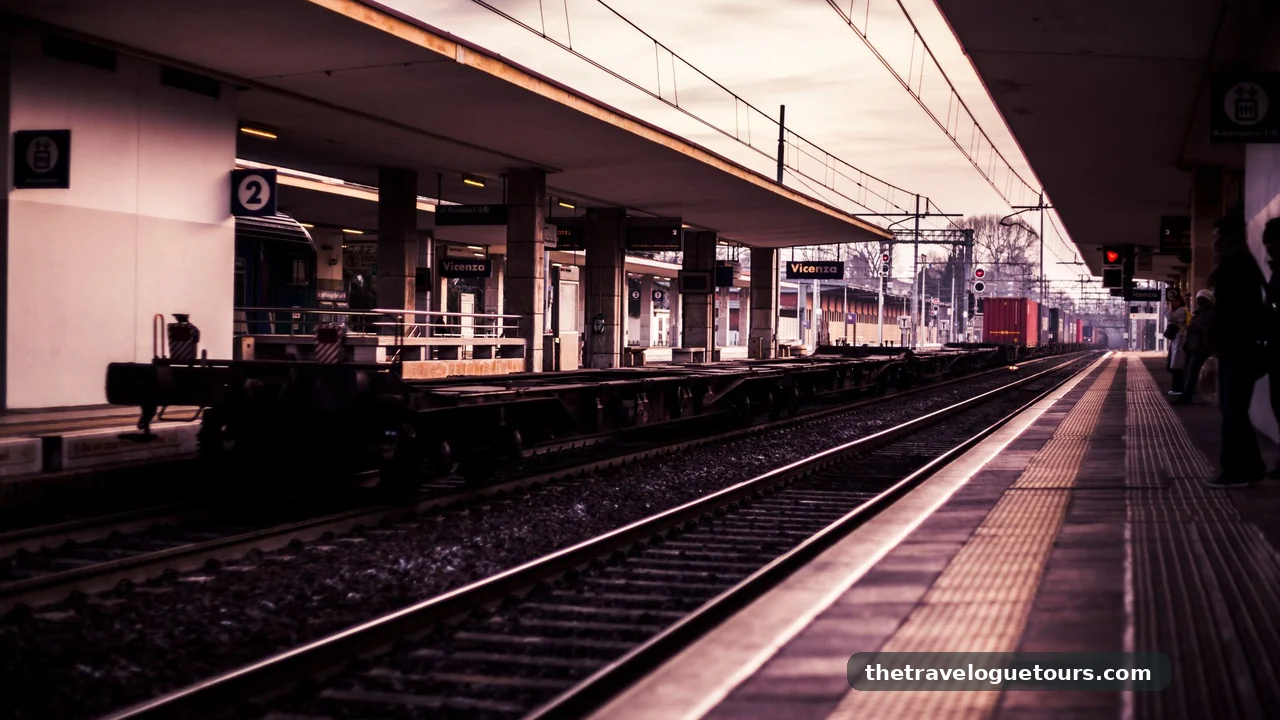
Your First European Train Trip, Simplified
Picture this: you wake up in a comfortable seat as the countryside rolls past your window, coffee in hand, no airport security line in sight. That is the promise of traveling Europe by train, and it is real. This guide turns that promise into a plan you can book today.
Europe runs on rails in a way few other places do. Fast trains link capitals in hours, regional trains reach small towns, and the whole system rewards people who plan just a little. If you have never booked a European train ticket, you are exactly who this guide is for.
We will cover rail passes, seat reservations, night trains, and one sample route you can steal. By the end, you will know what to buy, when to buy it, and what to expect on board. No jargon, no overwhelm, just the steps in order.
How European Train Travel Actually Works
Most European countries run their own national rail companies. France has SNCF, Germany has Deutsche Bahn, Italy has Trenitalia, and Spain has Renfe. Each one sells tickets on its own website and app, and those sites usually show the best prices.
There are two ways to pay for your rides. You can buy point to point tickets for each journey, or you can buy a rail pass that covers many trips across many countries.
Point to point wins when you take two or three trains inside one country. Passes win on longer multi country trips.
Booking windows matter more than beginners expect. High speed trains like the TGV, ICE, and Frecciarossa open sales months ahead and get pricier as seats fill.
Regional trains keep one fixed price, so there is no rush to buy those. Book the fast ones early and relax about the slow ones.
Rail Passes: Eurail and Interrail Explained
Eurail and Interrail passes are the same product with different names. Eurail is for travelers who live outside Europe, and Interrail is for European residents. Both give you a set number of travel days within a time window across 33 countries.
The most popular choice for a first trip is a pass with five or seven travel days in one month. You activate a travel day each morning you board a train, and you can ride as many trains as you want that day. The official Eurail site lists every pass type and shows which countries each one covers.
A pass pays off when your individual tickets would cost more than the pass itself. As a rough rule, three long high speed journeys usually cover the cost of a mid range pass. Short hops between nearby cities are often cheaper bought separately, so do the math before you commit.
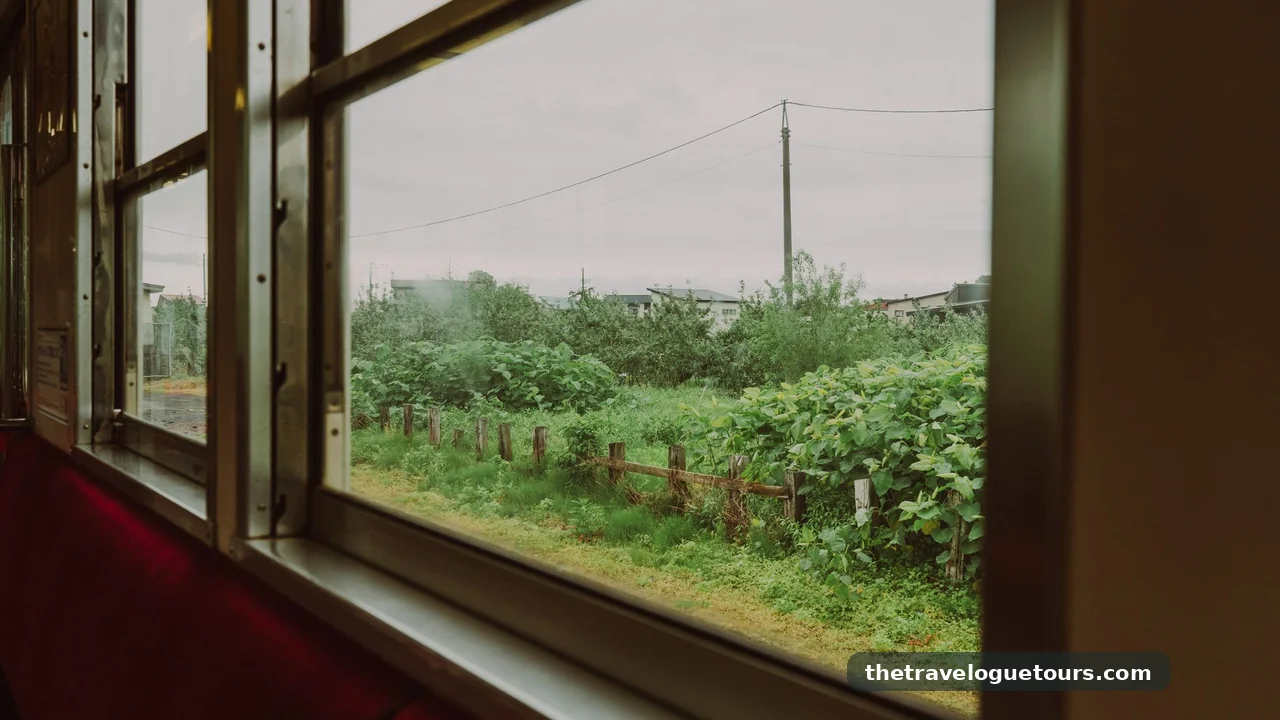
When You Still Need a Seat Reservation
This surprises beginners most: a rail pass is not a ticket by itself on many trains. High speed and night trains in France, Italy, Spain, and several other countries require a separate seat reservation on top of the pass. You can be turned away at the platform without one.
Reservations cost a few euros on regional routes and up to about fifteen on premium high speed trains. You can make them at station counters, through the national rail sites, or through pass holder apps. The Man in Seat 61 breaks down which trains need reservations and the cheapest way to book each one.
Book reservations as early as you can for popular routes in summer. Trains like Paris to Barcelona and the night trains to the Alps sell their pass holder seats weeks ahead. If a train is full for pass holders, you can usually still buy a regular ticket, just at a higher price.
Night Trains Worth Knowing About
Night trains are having a real comeback across Europe, and they are a beginner friendly way to cover distance. You board in the evening, sleep in a bunk or a seat, and wake up in a new country. One hotel night saved and one travel day saved.
The Austrian company ÖBB runs the Nightjet network, with routes like Vienna to Paris, Zurich to Amsterdam, and Munich to Rome. Private couchette compartments are the sweet spot for most travelers, with a proper bed at a fair price. Seats are cheapest but only work if you can truly sleep sitting up.
Book night trains the moment they open, often three to six months ahead. The cheap berths disappear first, and summer routes fill fast. Bring earplugs, an eye mask, and a small bag with your overnight things, because your big luggage stays stored away from the berth.
Planning a First Route That Makes Sense
Keep your first route simple: three or four cities, connected by direct trains, with at least two nights in each place. A classic beginner loop is Amsterdam to Paris to Lyon to Barcelona, or Munich to Vienna to Prague to Budapest. Short travel days beat marathon ones every time.
Match your route to the time of year, because Europe changes character with the seasons. Southern routes shine in spring and autumn, northern routes in summer, and the Christmas market cities in December. Our guide to choosing a destination by season helps you pick the right month for each region.
Resist the urge to add one more city to the list. Travel days eat more time than the timetable suggests, with station transfers and check in on both ends.
A slower trip with fewer stops is easier to enjoy and easier to remember. If a longer adventure tempts you, read our advice on traveling long term without burning out before you lock in your dates.
For inspiration on where to go, start with our curated guide to the best places in Europe, which groups destinations by traveler type. Pick the cities that match your style, then connect them with the rail map. The route almost plans itself once the destinations are right.
Small Habits That Save Money and Stress
Activate your ticket or pass before you board wherever the system asks for it. Some countries still require a stamp or an app activation before getting on the train. Conductors do check, and the fines are real.
Pack light enough to carry your bag up a flight of station stairs. Many older European stations have few elevators, and you will face a tight platform change at least once. A bag you can lift with one hand removes a whole category of stress.
Download the national rail apps for every country you visit. Deutsche Bahn, SNCF Connect, and Trenitalia all show live platform changes and delays that station boards sometimes miss. Screenshot your reservations too, because station wifi is never guaranteed.
Europe by Train FAQ
Is a Eurail pass worth it for beginners?
It depends on your route. A pass usually pays off with three or more long journeys across countries, but two short trips inside one country are often cheaper as point to point tickets. Price your tickets first, then compare with the pass cost.
Do I need to book European train tickets in advance?
Yes for high speed trains, which get pricier as seats fill. Regional trains keep fixed prices, so you can buy those on the day. Book the fast legs weeks ahead and stay flexible on the slow ones.
How do seat reservations work with a Eurail pass?
Many high speed and night trains need a separate reservation on top of the pass. You can book them at station counters or through national rail websites for a small fee. Always check whether your train needs one before you board.
Are night trains safe for first time travelers?
Generally yes, especially in private or shared sleeper compartments. Keep valuables close, lock your compartment door, and store luggage out of reach. Millions of travelers ride night trains every year without issues.
What is the best first train route in Europe?
Start simple with three or four well connected cities, like Amsterdam, Paris, and Barcelona, or Prague, Vienna, and Budapest. Keep travel legs under four hours and spend at least two nights per stop. Short hops and slow pacing make the best first trips.
Your first European train trip does not need to be perfect. Buy the pass or tickets that fit your route, book the reservations early, and let the rails do the rest. You will make small mistakes along the way, and each one teaches you something for the next trip.
The window seat is waiting. Pick three cities, check the timetable, and go.




3 Comments