
How to Travel Without Speaking the Language
Traveling somewhere your language does not cover? These apps, key phrases, and street-smart tricks will get you fed, housed, and pointed in the right direction.
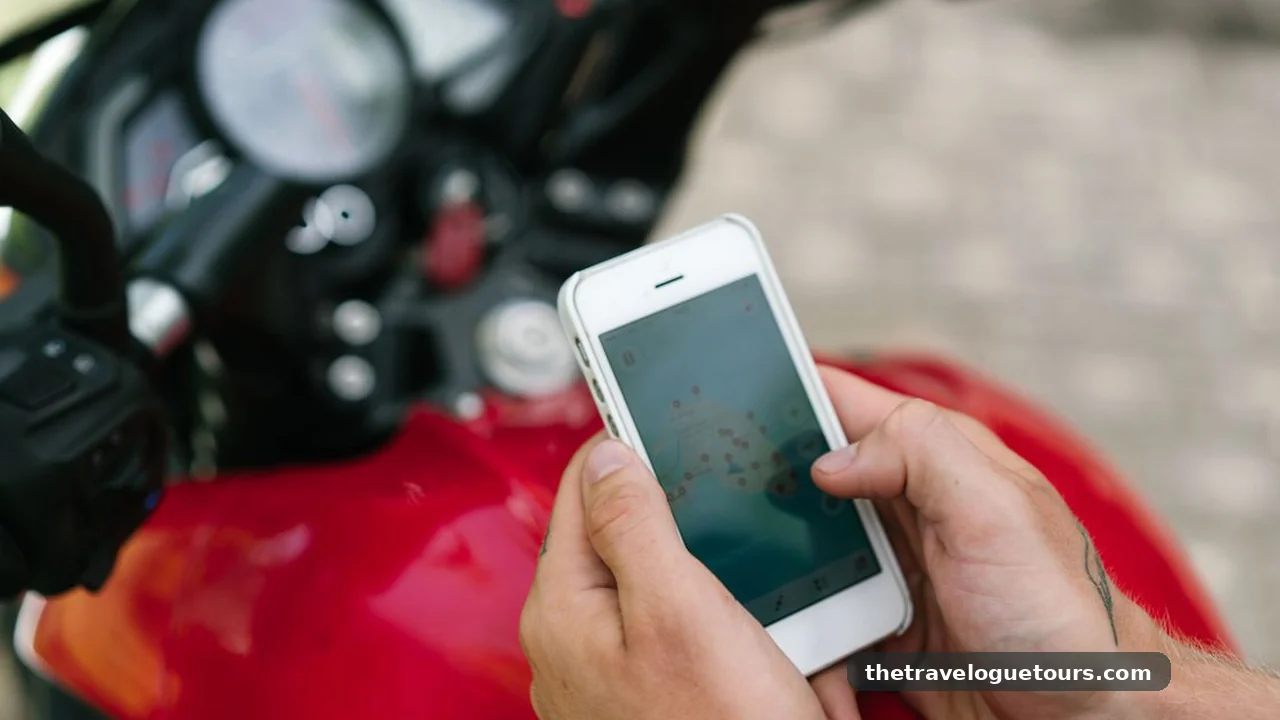
Picture this. You land in a country where the alphabet on the signs looks like abstract art, the taxi driver speaks zero English, and your stomach is already growling. Your heart pounds a little.
Then, 40 minutes later, you are sitting in a tiny restaurant eating the best noodles of your life. You did not understand a single word on the menu, and it did not matter at all.
That moment is not luck. Learning how to travel without speaking the language is a skill, and you can start building it before your plane even takes off.
Turn Your Phone Into a Pocket Interpreter
Before anything else, download a good translation app and learn how it works at home. Google Translate is free, and once you download the language pack it works with no signal at all.
The official Google Translate help pages walk you through offline packs, conversation mode, and camera translation step by step. Spend 20 minutes with them before your trip and you will feel ready on day one.
Practice the conversation mode with a friend so it feels natural. Hold the phone between you, speak clearly, and let the app do the talking. It is faster and less awkward than you expect.
Learn the Phrases That Matter Most
You do not need fluency. You need about 20 phrases: hello, please, thank you, excuse me, yes, no, how much, where is the bathroom, the bill please, and help.
Learn them from a phrasebook app or a short audio lesson, and say them out loud until they feel easy. Locals forgive a bad accent, but they reward the effort every single time.
Numbers from 1 to 10 deserve special attention. They cover prices, bus numbers, platform numbers, and room numbers, which is most of what you will ever need to understand.
Point, Mime, and Smile Without Shame
Pointing is not rude in most of the world. It is practical. Point at the menu, point at the map, and point at what the person at the next table is eating if it looks good.
Simple miming fills the gaps that words leave behind. Rub your stomach for hunger, rest your head on your hands for sleep, and wave your phone with the map open when you are lost.
A smile turns every awkward moment into a friendly one. Most people are delighted to help a traveler who is clearly trying, and your body language says more than perfect grammar ever could.
Let Your Camera Read the Signs for You
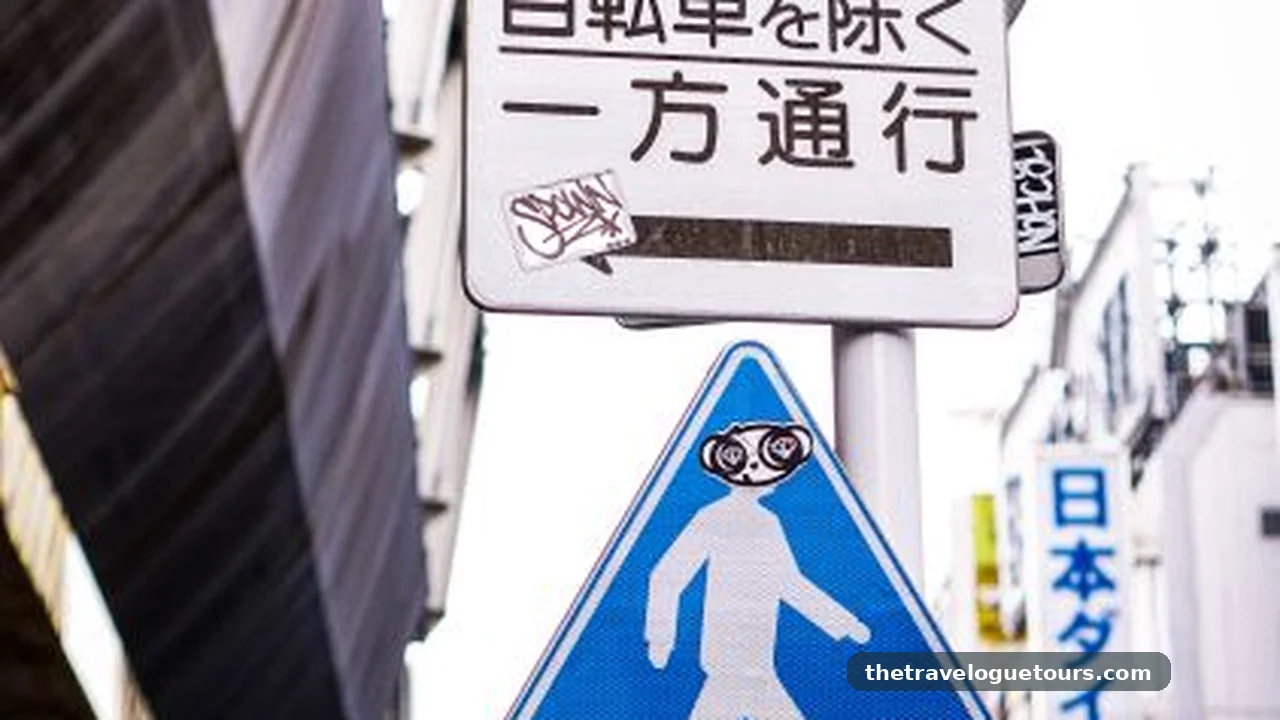
Street signs, menus, and timetables stop being scary the moment your phone can read them. Open your translation app, point the camera at the text, and watch it turn into your language in real time.
This trick works offline if you downloaded the language pack, which matters when you have no signal. Take screenshots of your hotel name and address in the local script, so you can show any taxi driver exactly where you need to go.
Save the translations of a few critical words too: exit, entrance, danger, open, closed. These 5 words appear everywhere, and knowing them keeps you out of trouble.
Order Food Like You Own the Place
Restaurants are where the language barrier feels most real, and where it matters least. Walk in, smile, and glance at what other diners are eating before you sit down.
Point at dishes on other tables, use the camera translation on the menu, and learn the words for any food limits you have. If you love adventurous eating, our street food diaries show how delicious pointing can be.
Paying is easy too. Watch the total on the register, hand over a card or cash, and say thank you in the local language. You just ate a great meal without sharing a single word.
Ask Locals for Help the Smart Way
Younger people and anyone working in tourism are your best bets for English. Hotel staff, hostel workers, and university students usually speak at least a little, and they genuinely enjoy helping.
When nobody speaks your language, type or speak into your translation app and show them the screen. Our guide to experiencing Japan like a local is full of ways travelers bridge the gap in a country famous for its language barrier.
Keep key addresses written on paper in the local script as backup. Phones die, but paper does not, and a driver who sees the address written clearly will nod and go.
Get Around Without Saying a Word
Public transport can be figured out in any language. Follow the color-coded lines, match station names to the characters on your map, and watch where locals tap their cards.
Rideshare and taxi apps remove talking entirely. You set the destination on the map and the driver just follows it, no conversation required. If you have hours between flights, our long layover mini adventure guide shows how to explore a new city with zero language prep.
For walking, download the city map for offline use before you leave your hotel wifi. A blue dot on a map needs no translation, and it will get you back every time.
Prepare for the Moments It Goes Sideways
Save your embassy number and the local emergency numbers in your phone before you land. The US State Department travel pages list country-specific safety and emergency information worth reading before every trip.
Keep a card in your wallet with your hotel name and address in the local language. If you are truly lost, show it to any shopkeeper or taxi driver and you will get pointed home. If your phone dies, that paper card still gets you home, so keep it in your wallet rather than your day bag.
Travel insurance matters even more when you cannot explain your symptoms. A translation app plus a screenshot describing your condition can bridge the gap in a foreign clinic.
Travel Language Barrier FAQ
Do I need to learn the local language before I travel?
No. Learning about 20 key phrases is plenty for most trips, and a translation app handles everything else. Fluency is a nice bonus, but it is not a requirement for a great trip. Numbers from 1 to 10 deserve special attention, since they cover prices, bus numbers, and room numbers.
What is the best free translation app for travelers?
Google Translate is the most popular free choice, covering more than 100 languages. Download the offline language pack before your trip, and practice the camera and conversation modes at home.
How do I order food if I cannot read the menu?
Point at what other diners are eating, or use your phone’s camera translation on the menu. Learn the local words for any allergies or foods you avoid. Smiling and pointing works in nearly every restaurant on earth.
What should I do if I get lost and nobody speaks my language?
Stay calm and open your translation app or an offline map. Show your hotel address in the local script to a shopkeeper or taxi driver. Keep a paper backup of the address for the day your phone battery dies.
Is it rude to use gestures when talking to locals?
In most places, no. Pointing, miming, and a friendly smile read as honest effort, not rudeness. Just check which gestures are offensive in your destination before you go, and keep your body language open and relaxed.
The language barrier looks like a wall from home. On the road it turns out to be a low fence, and you step over it with an app, a smile, and 20 phrases.
So book the ticket to the place whose language you do not speak. The best stories of your trip will be the ones you acted out, not the ones you translated.






4 Comments