
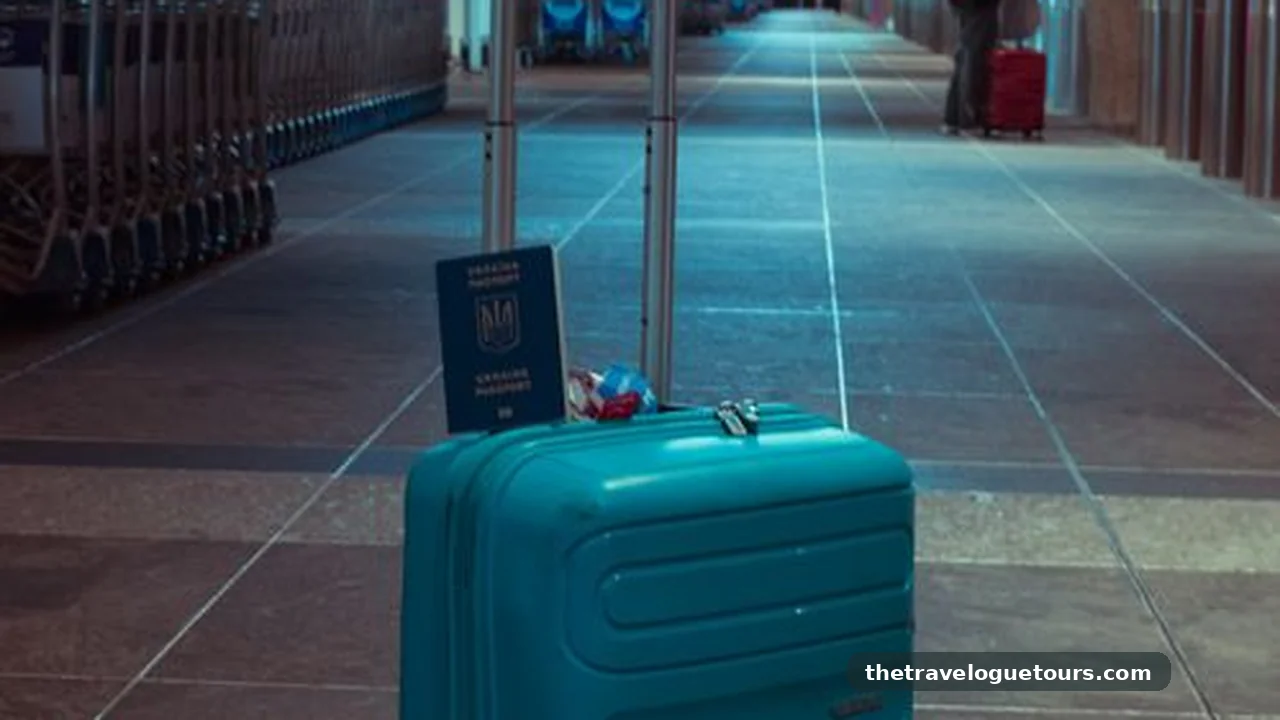
Best Carry-On Bags for Travelers
The people who walk straight onto the plane are not lucky. They picked the right bag. Here is how to pick yours.
Picture yourself at the gate. The announcement says the overhead bins are full, and half the queue is being sent back to check bags they never wanted to check.
The people who walk straight on are not lucky. They picked the right bag.
This guide is about making you one of them. It walks you through the one decision that shapes every flight you take: which carry on bag to buy, what size it must be, and how to pack it so it always fits. By the end, you will know exactly what to look for and what to ignore.
Start with size, not style
A beautiful bag that gets gate checked is a bad bag. Suitcase sizes are the first thing to get right, because every airline sets its own limit and budget carriers are the strictest.
Most US airlines accept a bag around 22 by 14 by 9 inches, including wheels and handles. That 22 x 14 x 9 carry on luggage size is the safe default if you fly mostly in the US.
Measure your bag yourself, and include the wheels and the handle. Some bags are sold as 22 inch but measure 24 once the wheels are counted, and that is the bag that gets taken at the gate. If you fly budget airlines in Europe, check their limits separately, since they run smaller.
A carry on suitcase 22 x 14 x 9 fits most US carriers, but the IATA guideline runs a little bigger at 22 x 18 x 10, and a few US carriers such as Southwest allow up to 24 x 16 x 10, so always check your airline before you buy. When in doubt, search the item on the TSA What Can I Bring list before you fly.
Your second bag matters too
Most airlines let you bring a carry on plus a personal item, and that personal item bag is the one that slides under the seat in front of you, holding your flight life: laptop, book, charger, water, documents. If you are asking is a backpack a personal item, the answer is yes, as long as it fits under the seat. A slim backpack, a tote, or a laptop bag all count.
Think of the pair as a system. The carry on holds your clothes, the personal item holds your day. Underseat luggage that is too fat gets taken away at the gate, so keep the personal item soft and half empty.
If you want to go further and skip the big bag entirely, our guide to traveling with only a backpack shows how. It covers a whole trip on one bag.
Hard shell or soft side
Hard shell bags protect fragile things and shrug off rain, and they look sharp, but they can scratch and they do not squeeze into a tight bin. Soft side bags flex into odd spaces, usually weigh less, and have outside pockets for the things you need mid flight. They protect less, and they show wear sooner.
Pick by how you travel. If you pack electronics, camera gear, or anything breakable, hard shell wins. If you fly budget airlines with tight bins and you value squeezing in over armour, soft side wins.
Neither is better in general. The right one is the one that fits your airline, your packing style, and your body on a long walk through a big terminal.
What to check before you buy
Ignore the marketing and check 5 things in this order. Wheels first: 4 spinner wheels that roll straight and quiet on a shop floor. Handle second: it should extend and lock at a height that suits you without wobbling.
Zippers third: chunky, smooth, and ideally lockable. Weight fourth: a light bag matters, since every kilo of bag is a kilo less of your stuff. Lightweight luggage in the 6 to 8 pound range leaves you real packing room.
Fifth, look at the inside. Compression straps, a divider, and one zipped pocket beat a dozen gimmicks. And check the warranty.
A bag you buy once and use for 10 years is cheaper than 3 cheap bags. Pair the bag with a packing method that works, like our 25 packing hacks, and a small bag starts to feel much bigger.
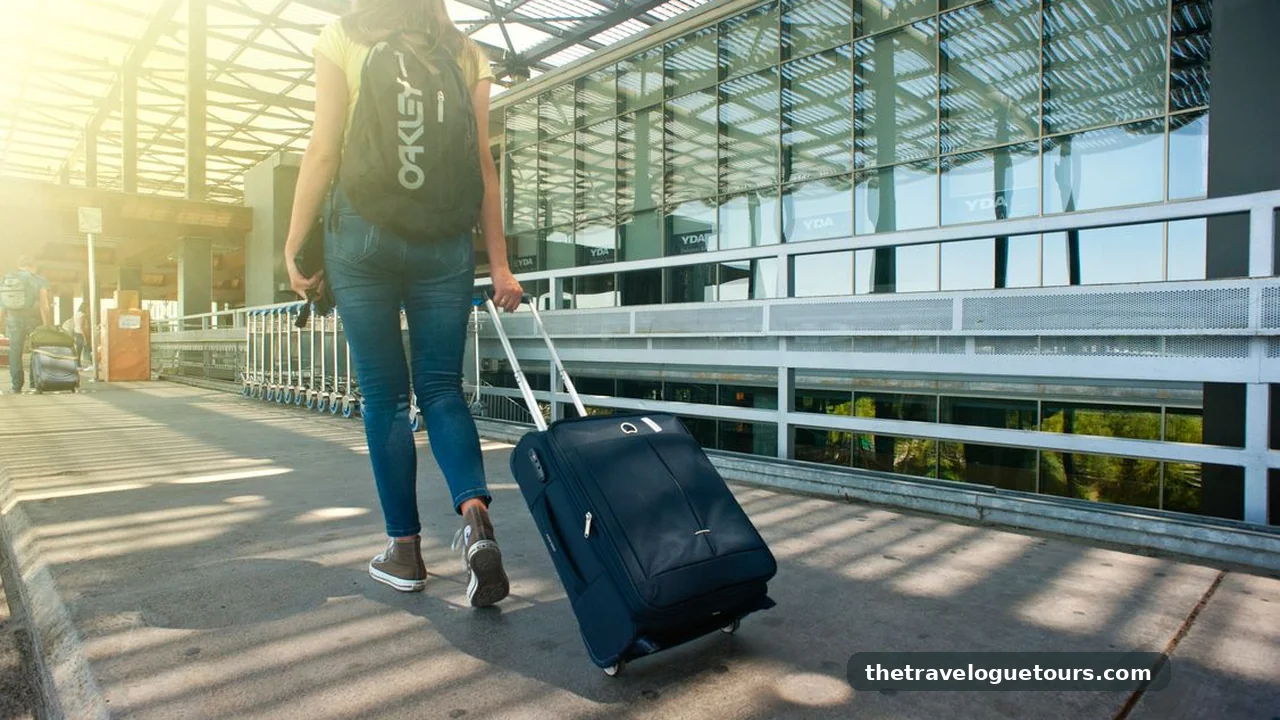
Bags worth a look
These are well known examples in each category, not hands on reviews. A hard shell spinner such as Away The Carry-On is the common pick for travellers who want a sleek, tough bag. A softside spinner such as the Travelpro Platinum Elite is the usual choice for frequent flyers who value pockets and flex.
A Samsonite Freeform is the safe middle ground on price and durability. A Rimowa Essential Cabin is the premium pick for travellers who want rigidity and are happy to pay for it. A Briggs and Riley Baseline Essential is the pick for travellers who want a lifetime guarantee.
Do not buy on brand alone. Take the size rule from the top of this guide, check the 5 things above, and pick the bag that passes them. A good bag from a lesser known brand beats a famous bag that does not fit your airline.
Pack it like a carry on only traveller
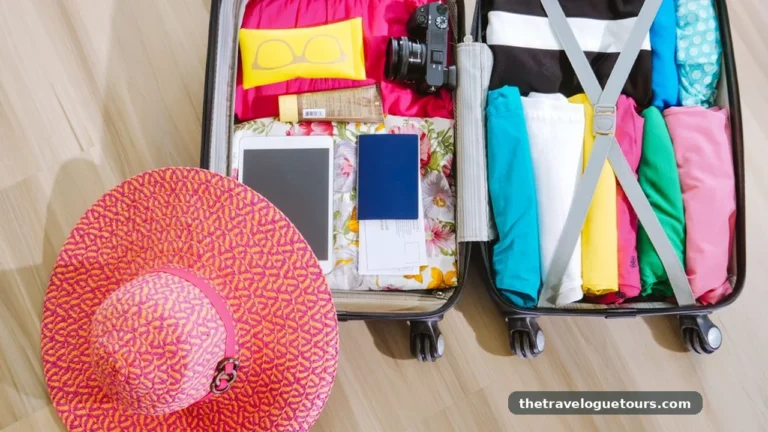
The bag is only half the answer. How you pack it decides whether it fits, so roll soft clothes, fold structured ones, keep heavy items near the wheels, and put the things you need in flight in the outside pocket or your personal item. A short travel essentials list on your phone stops the last minute repacking panic.
Keep liquids in one clear bag, wear your bulkiest shoes and jacket, and leave a little room for the way home. If you are flying long haul, our long flight tips cover how to stay comfortable once the bag is stowed.
For the size rules on your specific airline, check the airline baggage page directly. Hong Kong Airlines, for example, publishes a cabin baggage page for its own flights.
Carry on bags FAQ
What size carry on bag fits most airlines?
A bag around 22 by 14 by 9 inches, including wheels and handles, fits most US airlines. The IATA guideline runs a little bigger at 22 by 18 by 10, and a few US carriers allow 24 by 16 by 10, so check your airline before you fly.
Can I bring a carry on and a personal item?
Yes, most airlines allow one carry on plus one personal item that fits under the seat, such as a backpack, tote, or laptop bag. Keep the personal item soft and half empty so it always fits.
Are hard shell carry ons better than soft side?
Hard shell protects better and resists rain, while soft side flexes into tight bins and usually weighs less. Pick based on what you pack and which airlines you fly.
Can I bring a laptop on a plane?
Yes, laptops go in your carry on or personal item, never in checked luggage. You will usually need to take it out at security unless you have PreCheck.
Is a backpack a personal item?
Yes, as long as it fits under the seat in front of you. A slim daypack works well. A stuffed full size backpack may be counted as a carry on instead.
So measure first, check the wheels, and pack light. The best carry on bag is the one that never gets taken from you at the gate. Buy it once, pack it well, and walk straight onto the plane.




5 Comments