
What Documents Do You Need for International Travel?
A complete, practical guide to the documents you need for international travel, covering passports, visas, health records, and the backup copies that save trips.
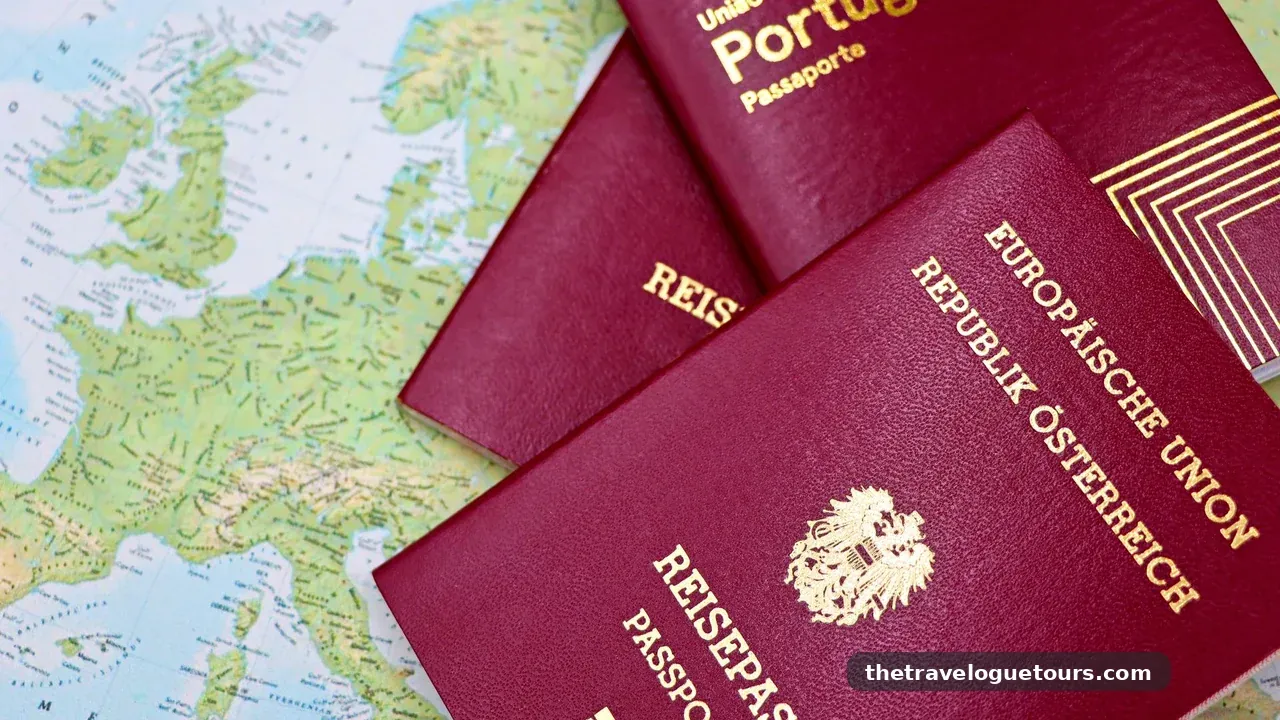
Nothing kills the excitement of a trip faster than being stopped at the airport. Your bags are packed and your playlist is ready, and then an officer shakes their head because one document is missing or expired.
It happens more often than you think, and it is almost always preventable. Most travel document problems come down to details you could have sorted weeks before departure, not bad luck on the day.
This guide covers exactly what documents you need for international travel. Work through it once, and you will board every flight with complete confidence.
Your Passport Comes First
Your passport is the single most important travel document you own. Without a valid one, nothing else on this list matters, so it deserves your attention before anything else.
Check the expiration date right now, not the night before your flight. Many countries refuse entry if your passport expires within six months of your arrival, and some also require one or two blank pages for stamps.
If you are heading to Europe, the UK government’s passport checker explains how to confirm your passport meets entry rules before you travel. A damaged, water stained, or unreadable passport can also get you turned away, so renew early if yours has seen better days.
Visas and Entry Permits
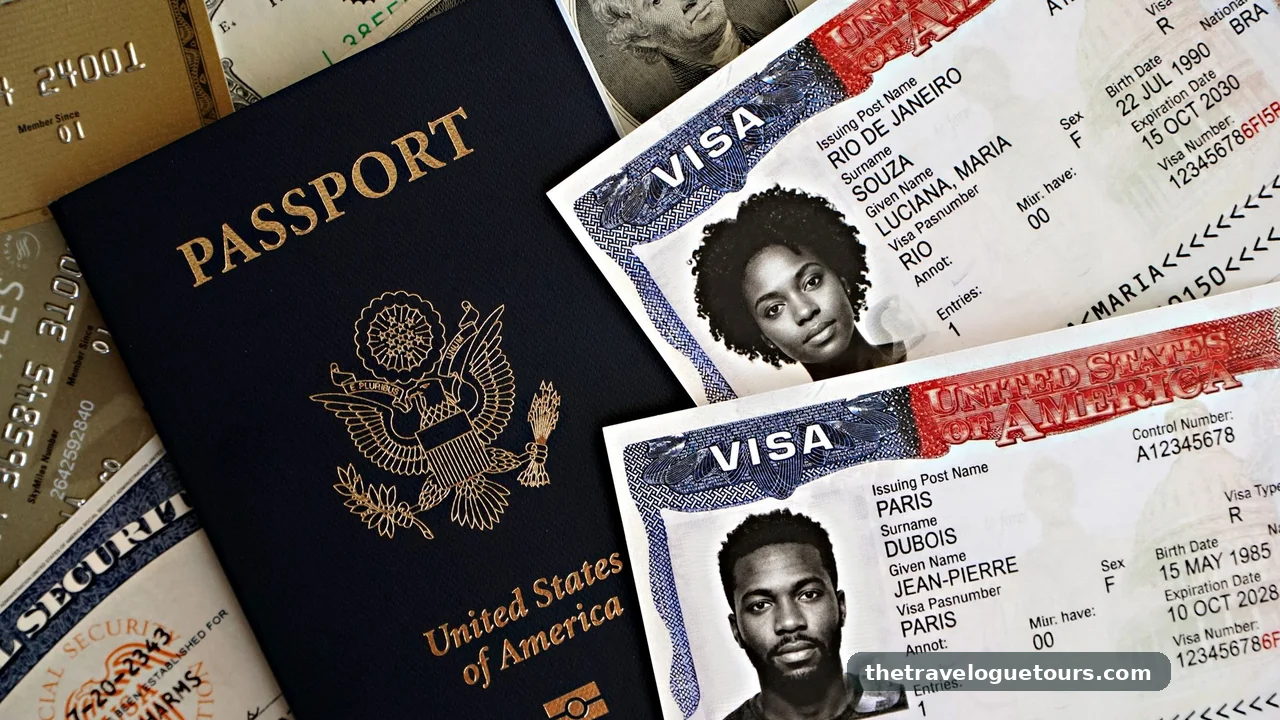
A visa is official permission to enter a country, and the rules change with your nationality. Some countries stamp you in on arrival, some need an online application submitted days ahead, and some require a full embassy visit with an interview.
Start with an official source, not a travel blog. The US State Department’s international travel pages point to entry requirements by country, and every destination publishes its own rules on a government website too.
Do not forget transit visas for layovers. If your route passes through a country that requires one, you can be denied boarding on your very first flight, so check every stop on the itinerary, not just the final destination.
If you are planning a long stop, our guide to turning a layover into a mini adventure covers the entry rules worth checking first. Print or screenshot your visa approval, because airport wifi has failed travelers at the worst possible moment.
Proof of Onward Travel and Accommodation
Many countries want proof that you plan to leave. A return flight or an onward ticket to a third country satisfies most immigration officers, so keep the confirmation somewhere you can reach without an internet connection.
Your first night’s address matters too. Hotel bookings or the address of your host answer the question every arrival form asks, and having it ready keeps the immigration line moving behind you.
If your plans are flexible, our tips on finding cheap last minute flights can help you book proof of onward travel without overpaying. A cheap onward ticket you never use is far better than a refused entry stamp.
Health Records and Vaccinations
Some destinations require proof of vaccination, most famously the yellow fever certificate for parts of Africa and South America. Check health requirements at the same time you check visa rules, because either one can block your entry.
Your travel insurance documents belong in this folder too. If you need medical care abroad, the hospital will ask for your policy number before anything else, and a stressed traveler should not be digging through old emails to find it.
Carry any prescription medicines in their original labeled containers with a copy of the prescription. Loose pills in an unlabeled bottle can cause serious problems at customs, even when the medicine itself is completely ordinary.
Money Documents and Financial Proof
A surprising number of countries ask for proof that you can support yourself. Recent bank statements or a credit card in your name usually do the job, so save a recent statement as a PDF before you leave.
Write down your bank’s international helpline number and your card’s emergency replacement number. If a card is lost or blocked abroad, you want those numbers reachable in seconds, not after twenty minutes of searching.
Tell your bank about your travel dates and destinations in advance. A card frozen for suspected fraud on your first evening abroad is an avoidable problem, and one short notification prevents it.
Traveling With Children: Extra Paperwork
Kids need their own passports, even babies. Apply early, because child passport processing often takes longer than adult applications and requires both parents’ consent in many countries.
If you are traveling with a child who is not yours, or as a single parent, carry a notarized consent letter from the other parent or guardian. Border officers ask for this more often than people expect, and without it you can be delayed for hours.
Bring a copy of the child’s birth certificate as well. It connects the names on the documents to the family relationship, which settles questions before they turn into problems.
Keep Copies of Everything
Make two sets of copies of your passport, visa, insurance policy, and bookings. Keep one set in a different bag from the originals and leave the other with someone you trust at home.
Store encrypted scans in cloud storage you can reach from any browser. If your bag is stolen, those copies turn a potential disaster into an inconvenience, because you can prove who you are and what you booked.
Keep documents out of checked luggage entirely. Our 25 genius packing hacks show how to organize a document pouch that stays with you through every security line and boarding gate.
If Something Goes Wrong
If your passport is lost or stolen, report it to the local police first, then contact your country’s nearest embassy or consulate. They can issue an emergency travel document that gets you home safely.
This is where your copies earn their keep. A scanned passport speeds up the replacement process enormously, and your travel insurance policy number lets you start a claim from the embassy waiting room.
International Travel Documents FAQ
What documents do I need for international travel?
At minimum, you need a valid passport, any required visas, and proof of onward travel. Most travelers should also carry travel insurance documents, hotel confirmations, and digital copies of everything important.
How long should my passport be valid for international travel?
Many countries require your passport to be valid for at least six months beyond your arrival date. Some also require one or two blank pages, so check the entry rules for each destination before you fly.
Do I need a visa for every country I visit?
It depends on your nationality and your destination. Many countries offer visa free entry or visas on arrival, while others require an application weeks ahead. Always confirm with an official government source before booking.
Should I carry copies of my travel documents?
Yes, absolutely. Keep paper copies separate from the originals and store scans in cloud storage you can reach from any device. If documents are lost or stolen, copies make replacement much faster.
What should I do if I lose my passport abroad?
Report the loss to local police, then contact your country’s nearest embassy or consulate. They can issue an emergency travel document. Your saved copies and travel insurance details will speed the whole process up.
International travel documents feel like a lot of paperwork until you lay them out on one checklist. Passport, visa, onward ticket, health records, insurance, and copies of everything: that is the whole list.
Sort them a few weeks before departure, keep the originals on your person, and travel with the quiet confidence of someone who cannot be turned away. The trip itself should be the adventure, not the airport.





3 Comments