
8 Offbeat Islands in Southeast Asia Worth the Trip
Done with Bali, Phuket, and El Nido? These 8 offbeat islands across six Southeast Asian countries trade the crowds for quiet beaches, clear water, and honest ferry-and-flight directions to reach them.
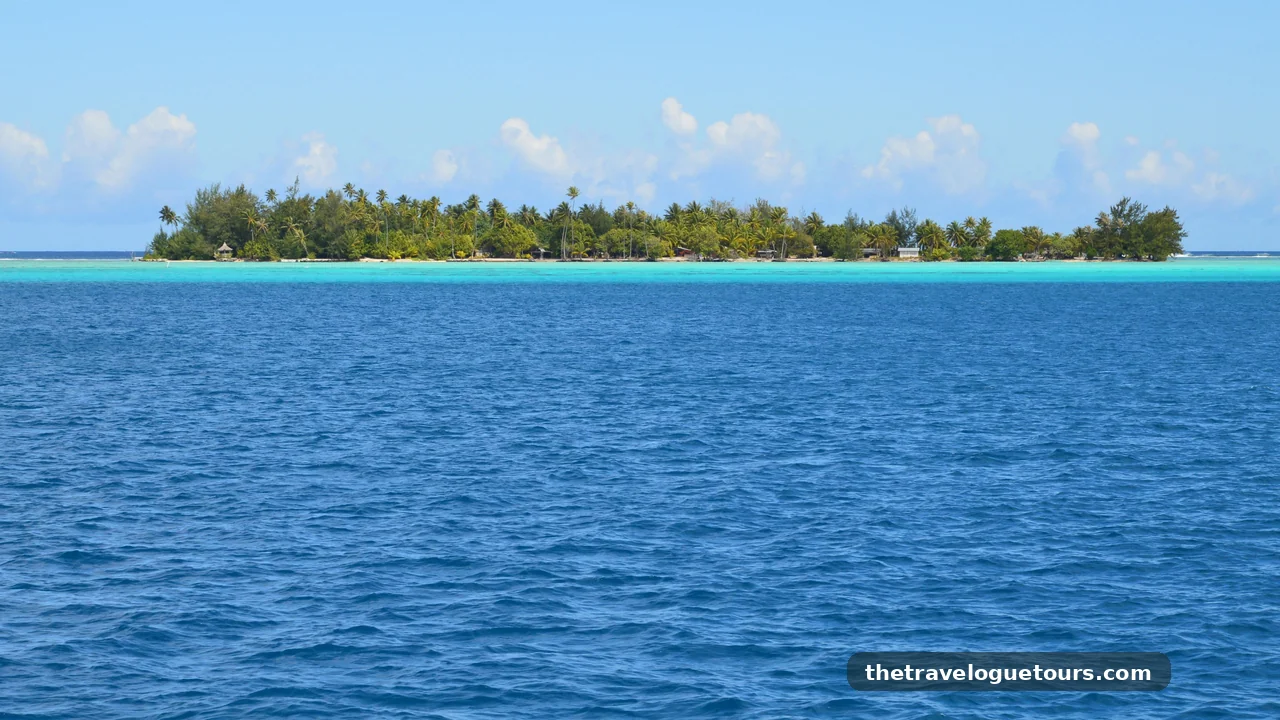
Beyond Bali, Phuket, and El Nido
You have swum off Bali’s beach clubs, jostled through Phuket’s old town, and kayaked El Nido’s famous lagoons. Now you want the same turquoise water with a fraction of the people, and you are willing to work a little harder for it.
This list is for exactly that traveler. These eight islands sit across six Southeast Asian countries, and each one still feels like a discovery rather than a stop on a conveyor belt.
If you loved our list of dream islands in the Indian Ocean, think of this as its Southeast Asian companion. Same water, fewer crowds, and honest directions on getting there.
Koh Rong Samloem, Cambodia
How to get there: fly into Sihanoukville or Phnom Penh, then take a 45 minute ferry from Serendipity Pier. Boats run several times a day, and the ride costs about 25 dollars round trip.
The vibe is barefoot and quiet, with bioluminescent plankton glowing in the shallows on dark nights. Small bungalow resorts line Saracen Bay, and there are no cars, only sandy paths.
The one thing to do is swim at night to see the plankton light up around you. Go on a moonless evening, and book the trip through your bungalow for the best price.
Siargao, Philippines
How to get there: fly to Siargao’s Sayak Airport via Cebu or Manila, then ride a motorbike or tricycle to General Luna. The island is small enough that nothing is more than an hour away.
The vibe is surf town without the attitude, with palm lined roads, rice fields, and the Cloud 9 boardwalk jutting into the ocean. It feels lived in, not staged, which is increasingly rare.
The one thing to do is an island hopping day trip to Naked, Daku, and Guyam islands. You snorkel, eat grilled fish on a sandbar, and swing from the famous coconut palm rope.
Lombok, Indonesia
How to get there: fly into Lombok International Airport from Jakarta, Bali, or Singapore, or take the fast boat from Bali’s Padang Bai, about 90 minutes. The boat is cheaper but can be rough in high season.
The vibe is Bali before the crowds arrived, with empty surf breaks in the south, waterfalls in the north, and Mount Rinjani looming over everything. The culture is Sasak, not Balinese, which gives the island its own rhythm.
The one thing to do is watch sunset at Tanjung Aan, with its two crescents of fine white sand. If Bali’s costs are on your mind, our Bali cost breakdown shows exactly what you skip by coming here instead.
For official park rules and ferry schedules, check the Wonderful Indonesia tourism site before you plan anything around Rinjani. Seasonal closures affect the volcano trek, and the site posts them first.
Con Dao, Vietnam
How to get there: fly 45 minutes from Ho Chi Minh City to Con Son, the archipelago’s main island, or take the slow ferry from Vung Tau, about five hours. Flights are small and sell out, so book early.
The vibe is remote national park, with dense jungle, sea turtle nesting beaches, and a sobering prison museum from the French colonial era. It is Vietnam’s best kept island secret, and the locals intend to keep it that way.
The one thing to do is snorkel the coral reefs of the Con Dao National Park on a boat tour. The water is absurdly clear, and you will likely have the reef to yourself.
Plan your season on the official Vietnam tourism website, which lays out the dry months and turtle nesting season clearly. March to September brings the calmest seas.
Koh Lipe, Thailand
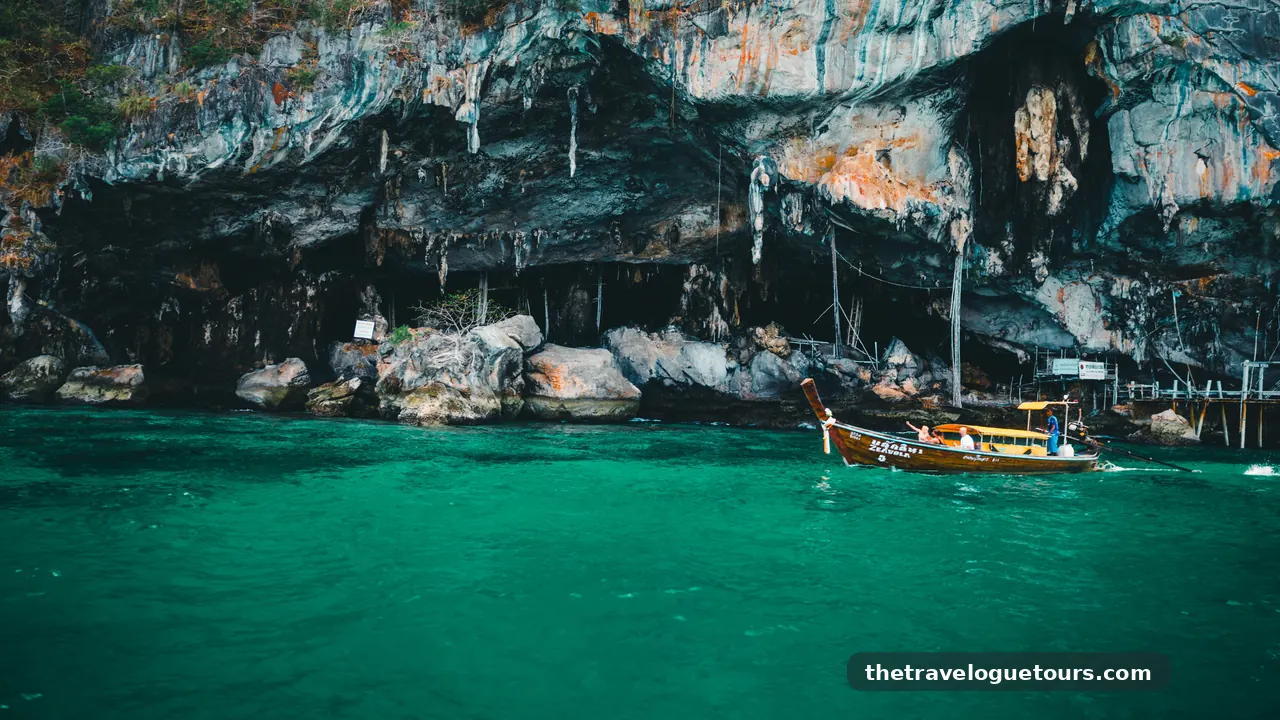
How to get there: from November to May, take the speedboat from Pak Bara pier on the mainland, about 90 minutes. In low season, boats only run from Langkawi in Malaysia, so check the schedule first.
The vibe is tiny island, big snorkeling, with three main beaches you can walk between in twenty minutes. Longtail boats bob in water so clear you can see the sand through six metres of it.
The one thing to do is snorkel the coral gardens off Sunrise Beach at low tide. If you are still mapping out the country, our guide on how many days you need in Thailand will help you fit Lipe into the bigger route.
Langkawi, Malaysia
How to get there: fly direct to Langkawi International Airport from Kuala Lumpur, Penang, or Singapore, or take the ferry from Kuala Perlis, about an hour. The airport sits ten minutes from the main beaches.
The vibe is duty free and laid back, with mangrove forests, waterfalls, and the famous Sky Bridge curling over the rainforest canopy. It is bigger and more developed than the others on this list, but the crowds thin fast outside Pantai Cenang.
The one thing to do is ride the cable car to the Sky Bridge at opening time. Go before the tour buses arrive, and you get the rainforest and the Andaman Sea in near silence.
Pulau Weh, Indonesia
How to get there: fly to Banda Aceh on the northern tip of Sumatra, then take the fast ferry from Ulee Lheue port, about 45 minutes to Sabang town. The last ferry leaves in the late afternoon, so do not dawdle.
The vibe is frontier diving island, with volcanic hot springs bubbling into the sea and some of Indonesia’s best shore diving. It is remote enough that the mainland feels like a rumour.
The one thing to do is dive or snorkel the house reefs off Iboih beach, where coral gardens start metres from the shore. Bring cash, because ATMs are scarce and cards are mostly decorative.
Koh Kood, Thailand
How to get there: fly or bus to Trat on the mainland, then take the speedboat from Laem Sok pier, about an hour. The last boats leave around 2 pm, so arrive the night before if your flight lands late.
The vibe is Thailand’s fourth largest island acting like its quietest, with coconut plantations, waterfalls, and beaches that empty by four in the afternoon. Luxury resorts sit beside simple bungalows, and nobody is in a hurry.
The one thing to do is kayak the Klong Chao river through the mangroves to the waterfall. Rent from your guesthouse in the morning, and pack a dry bag for the camera.
Getting to the Offbeat Corners
The trade is simple: fewer crowds means thinner transport, so build buffer days into your route. Ferries get cancelled in rough seas, and the last boat of the day waits for no one.
Book the first and last legs of each island hop in advance, especially small domestic flights. Once you are on the island, everything slows down, and that is the point.
Pack reef safe sunscreen and a dry bag wherever you go. The coral on these islands is still healthy, and keeping it that way is partly your job.
Offbeat Southeast Asia Islands FAQ
When is the best time to visit Southeast Asia’s offbeat islands?
It depends on the coast. The Gulf of Thailand islands like Koh Kood and Koh Lipe are calmest from November to April, while Indonesia’s islands are driest from May to October. Check each island’s season before booking, because the monsoons flip between coasts.
Are these islands safe for solo travelers?
Yes, with the usual island common sense. Petty theft is the main risk, so lock valuables in your room and agree on boat prices before boarding. The islands on this list all have well used tourist routes and friendly local guesthouses.
How much cash should I carry on remote islands?
Carry enough for three days of food, transport, and diving, because ATMs are rare on islands like Pulau Weh and Con Dao. Cards work in bigger resorts but not at beach bars or boat operators. Small denomination bills are a useful backup.
Do I need a visa for these islands?
Most of these countries offer visa free or visa on arrival entry for short stays, but the rules differ by nationality and change often. Check the official immigration site of each country before you fly, and keep your passport valid for six months past your trip.
Which offbeat island is best for snorkeling?
Koh Lipe and Pulau Weh have the healthiest shallow reefs, with coral gardens you can reach straight from the beach. Con Dao’s national park reefs are the most pristine but need a boat tour. All three beat the crowded snorkeling spots of the famous islands.
Eight islands, six countries, and not a beach club queue in sight: the quiet corners of Southeast Asia are still there if you are willing to take the slow boat.
Pick one island, not all eight, and give it a full week. The slower you move, the more offbeat it feels.



10 Comments