Sri Lanka in 10 Days: Tea Country, Ancient Ruins, and Surf Towns
A complete 10-day Sri Lanka loop: Sigiriya, Kandy, the famous Ella train, tea country, Yala safari, and the south coast surf towns.
Sri Lanka packs an absurd amount into an island the size of Ireland. Ancient rock fortresses, misty tea country, leopard-filled jungle, and surf beaches, all within a day’s travel of each other.
This 10-day loop is the classic first-timer route, refined over my own trip and a dozen friends’ trips since. It runs clockwise from Colombo through the cultural triangle, down through the hills on the famous train, and along the south coast. Every leg uses transport that actually exists.
The 10-Day Loop
Here is the skeleton. The order matters: it follows the dry weather around the island and puts the long train ride in the middle, when you will be ready to sit still.
- Days 1 to 2: Arrive Colombo, drive to Sigiriya; climb the rock fortress and visit Dambulla’s cave temples.
- Days 3 to 4: Kandy, the Temple of the Tooth and the botanical gardens; then the blue train to Ella.
- Days 5 to 6: Tea country around Nuwara Eliya, then Ella’s waterfalls and viewpoints.
- Day 7: Yala National Park safari.
- Days 8 to 10: South coast, Galle Fort, surf in Weligama, whale watching in Mirissa; depart from Colombo.
Days 1 and 2: Sigiriya and Dambulla
Land at Bandaranaike Airport and head straight for the cultural triangle; Colombo can wait for the end. The drive to Sigiriya takes about 4 hours. Arrange a driver through your hotel or use the PickMe app, and expect to pay around 15,000 to 20,000 rupees for the transfer.
Sigiriya, the Lion Rock, is a 200-meter rock fortress built by a 5th-century king, with 1,200 steps to the summit. Entry for foreigners is around 35 dollars, which stings, but the frescoes, the mirror wall, and the view from the top justify it. Start climbing by 7 am to beat the heat and the crowds.
The climb takes 2 to 3 hours round trip if you stop for photos, which you will. Carry 2 liters of water; there is none for sale on the rock. The famous lion’s paws halfway up are all that remains of a giant gateway staircase.
On the afternoon of day two, visit the Dambulla cave temples, 20 minutes south. Five caves hold 150 Buddha statues and ceilings painted with 2,000 years of murals.
Entry is about 10 dollars and an hour is enough. It is a UNESCO World Heritage site, like Sigiriya itself.
Budget alternative: Pidurangala Rock faces Sigiriya across the valley, costs a few dollars to climb, and the sunrise view of the Lion Rock is arguably better than the view from it. Do Sigiriya for the history, Pidurangala for the photograph.
Days 3 and 4: Kandy and the Blue Train
Kandy is the hill capital and the cultural heart of the island. The Temple of the Tooth holds Sri Lanka’s most sacred Buddhist relic, and the evening puja ceremony at 6:30 pm fills the drumming hall with sound. Entry is around 10 dollars; dress with covered shoulders and knees.
Spend the morning walking Kandy Lake and the afternoon at the Peradeniya Botanical Gardens, 6 km out of town. The gardens hold 4,000 plant species and a famous avenue of royal palms. The giant Java fig tree alone is worth the trip.
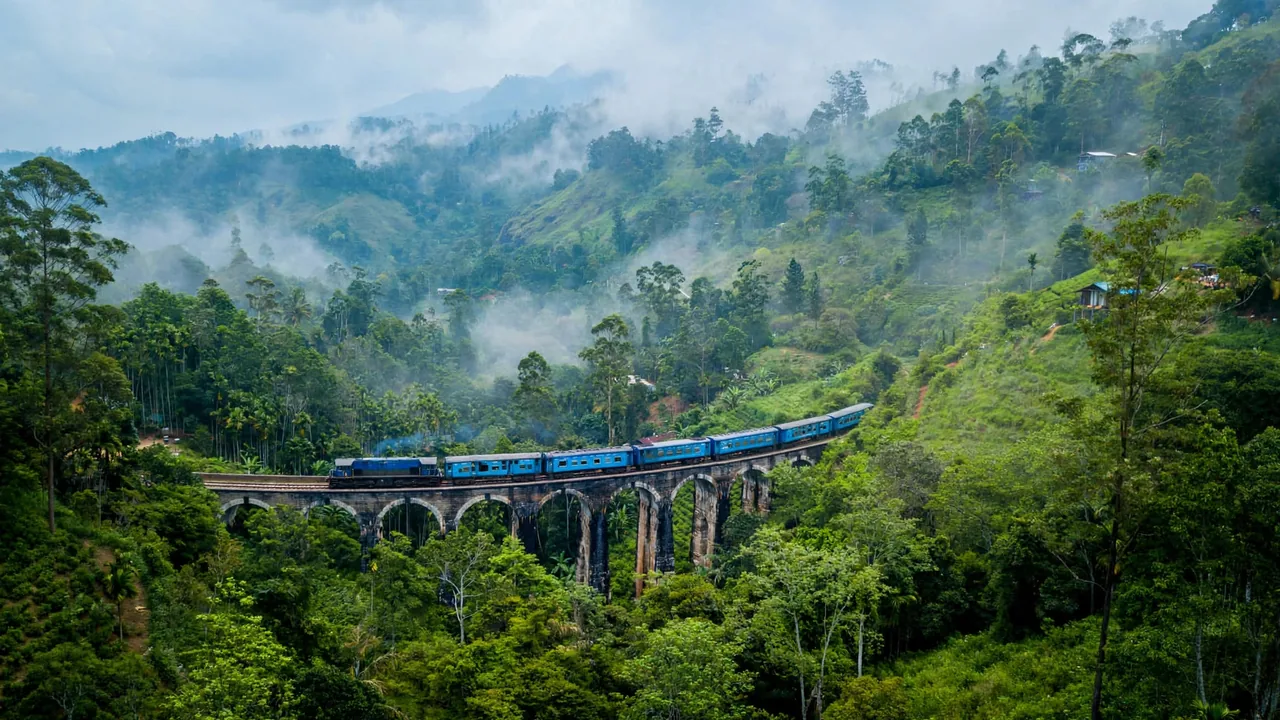
Then comes the day this whole itinerary is built around: the train from Kandy to Ella. The Kandy to Ella train is the single best travel day in Sri Lanka, seven hours through tea estates, over the Nine Arch Bridge, and past waterfalls, in blue-carriage trains with open doors made for leaning out.
Book reserved second-class seats a few days ahead through 12go.asia or at any major station; they sell out in high season. Unreserved third class is an adventure but you may stand for hours.
Sit on the right side going south for the best valley views.
Pack food for the ride. Vendors board at stations selling samosas, corn, and hot tea, but a stocked bag is better. The train has no dining car and the journey is long enough to need two meals.
Days 5 and 6: Tea Country and Ella
Break the hill section with a night in Nuwara Eliya, the colonial tea town at 1,900 meters. It is cool enough for a jacket, which feels surreal after the lowlands. Visit a working tea factory like Pedro Estate, where the tour ends with a proper tasting and costs a few dollars.
If you like hiking, the Horton Plains walk to World’s End is the classic: a 9 km loop ending at an 880-meter cliff drop. Start by 6 am for the clear views before the mist rolls in. Entry plus transport from Nuwara Eliya makes it a half-day trip.
Ella itself is a small town with an outsized reputation among backpackers. Walk to the Nine Arch Bridge for the 9 am train crossing, a sight worth timing your morning around. Little Adam’s Peak is a 45-minute easy hike with big views; Ella Rock is the serious half-day version.
Ravana Falls, 15 minutes down the road by tuk-tuk, is a wide cascade you can swim at the base of. In the evening, Ella’s main strip has the best traveler food in the hill country: string hoppers, kottu roti chopped to order, and Lion beer. Our budget trip planning guide has more on stretching money in places exactly like this.
Day 7: Yala Safari
From Ella, head south to Yala National Park, about 3 hours by road. Yala has one of the highest leopard densities in the world, plus elephants, sloth bears, and crocodiles. It is the best wildlife day in the country.
Book a half-day morning safari: 5:30 am pickup, back by noon. A private jeep costs 60 to 80 dollars split between up to six people; park entry is around 25 dollars per person on top. Shared jeeps from Tissamaharama town are cheaper if you ask around.
Morning beats afternoon for leopard sightings, and the light is better for photos anyway. Bring a zoom lens or rent binoculars from your driver. Even without a leopard, the elephants alone make the 5 am alarm worth it.
Stay the night in Tissamaharama, the gateway town, which has good budget guesthouses. Eat an early dinner and sleep; the south coast starts tomorrow and you will want to be rested for it.
Days 8 to 10: The South Coast
The south coast is where the itinerary exhales. Start with Galle Fort, the 17th-century Dutch walled town and another UNESCO site. Walk the ramparts at sunset, when the lighthouse glows and the cricket field below fills with evening games.
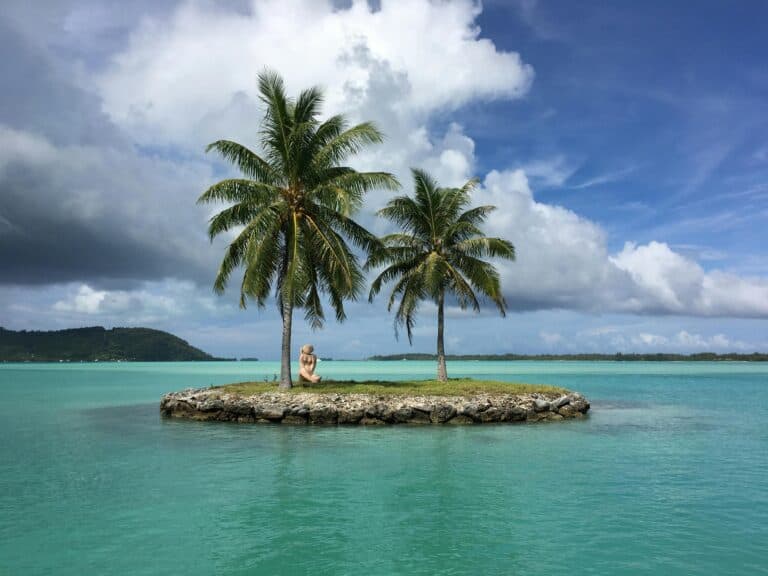
Weligama is the surf town, with a sandy-bottom bay that is ideal for beginners. Group lessons cost 15 to 20 dollars an hour including board rental. The beach is long, the water is warm, and the coconut palms lean over the sand exactly like the postcards.
Mirissa, 15 minutes east, is for whale watching from November to April. Blue whales feed offshore and responsible operators run morning trips for 30 to 50 dollars. Book with an operator that follows distance guidelines; the cheapest boats chase the whales aggressively.
Climb Coconut Tree Hill at sunset for the iconic palm-silhouette photos, then eat grilled seafood on the beach. These are some of the best beaches in Asia for the money, and the whole coast is proof that Sri Lanka belongs on any Indian Ocean island shortlist.
On day 10, drive back to Colombo along the expressway, about 2.5 hours from Mirissa.
If your flight is late, spend the afternoon at Galle Face Green flying kites with the locals. Get to the airport 3 hours before an international flight; the road can jam.
Getting Around
Trains are the joy of Sri Lankan transport: cheap, scenic, and social. The coastal line from Colombo to Galle is another beautiful ride. Book reserved seats for long journeys and treat unreserved ones as adventures.
Tuk-tuks handle short hops; agree on the price first or insist on the meter in Colombo. The PickMe app works like Uber in cities and removes the haggling entirely. For multi-day stretches, hiring a private driver costs 50 to 70 dollars a day including the car, and good drivers double as guides.
Buses are the cheapest option and an experience in themselves, fast and loud with the music up. They are fine for short hops between south coast towns. For the long legs in this itinerary, trains and private transfers are worth the premium.
What 10 Days in Sri Lanka Costs
Sri Lanka is one of the cheapest countries to travel in 2026, and the numbers show it. Budget travelers manage on 40 to 60 dollars a day: guesthouses, local rice-and-curry meals, trains and buses.
Mid-range is 80 to 130 dollars a day: comfortable hotels with pools, seafood dinners, a private driver for some legs. The big splurges are Sigiriya entry (around 35 dollars) and the Yala safari (around 100 dollars all in). Everything else is gentle on the wallet.
The rupee trades at roughly 300 to the dollar. ATMs are common in towns, cards work at hotels and bigger restaurants, and cash rules everywhere else. Bring dollars to exchange; rates at banks beat the airport counters.
When to Go
Sri Lanka has two monsoons, which sounds complicated but works in your favor. The southwest coast and hill country are driest from December to April, which is exactly when this itinerary runs. The east coast is best from May to September.
December to March is peak season: the best weather, the highest prices, and the busiest trains. Book the Kandy to Ella train and Yala safaris ahead in these months. April and September are sweet spots with good weather and fewer crowds.
FAQs
Do I need a visa for Sri Lanka?
Most nationalities need an Electronic Travel Authorization (ETA) before arrival, applied for online in minutes.
Check the current rules and fees on srilanka.travel, the official tourism site, before you book. Approval usually comes within a day.
Is Sri Lanka safe for tourists?
Yes. The civil war ended in 2009 and the island is welcoming to visitors. Take normal precautions with valuables, be careful on the roads, and check current travel advisories before you go, as you would anywhere.
Can I drink the tap water?
No. Stick to bottled or filtered water, which is cheap and everywhere. Ice in tourist restaurants is generally fine, and fresh king coconut is the best hydration on the island anyway.
What about leeches on hikes?
In wet-season hill hikes they are real but harmless. Wear long socks, tuck trousers in, and carry a little salt. Guides in places like Sinharaja deal with them daily and will keep you calm.
How many days do I need for Sri Lanka?
Ten days covers the classic loop in this itinerary. Two weeks lets you add the east coast (Arugam Bay for surf, Trincomalee for beaches) or slow down in the hills. Less than a week means choosing between culture and coast.
What is the local currency and how do I pay?
The Sri Lankan rupee (LKR), roughly 300 to the dollar. Cash is king outside hotels: carry small notes for tuk-tuks, markets, and temple donations. ATMs in every town dispense rupees with foreign cards.
For official entry requirements, seasonal guides, and licensed operators, start with Sri Lanka’s official tourism site. It is the reliable source when blogs disagree.
Sri Lanka is the rare destination that overdelivers on every front: the train, the tea, the leopards, the surf. Ten days will convert you into someone who tells everyone to go.