Things to Do in Mexico City for First Timers
A three-day Mexico City plan for first-timers: the Historic Center, Roma and Condesa, Chapultepec Castle, Coyoacán’s Frida Kahlo museum, a Teotihuacan day trip, essential food, transport, and honest safety tips.
Your Three Days in Mexico City
You land in Mexico City with three full days ahead of you and a Spanish vocabulary of exactly one word: “gracias”. That is honestly all you need to start. This guide was written for you, the first timer who wants a calm plan, not a hundred bookmarks.
Mexico City, or CDMX as everyone calls it, rewards a simple approach. See the neighborhoods in a sensible order, eat what the line is eating, and move around like you belong here. By day three you will be navigating the metro like a local, or at least like a local who is slightly lost.
The plan below puts the Historic Center first, the leafy west second, and the pyramids last, so each day builds on the one before it. If the language question is worrying you, relax: you do not need Spanish to enjoy this city, and our guide to traveling without speaking the language explains exactly why a translation app and a smile are enough.
Day One: The Historic Center
Start at the Zócalo, the enormous stone plaza at the city’s heart. The Metropolitan Cathedral takes up one side, the National Palace takes up another, and every evening soldiers lower the giant Mexican flag in a ceremony worth stopping for.
The flag ritual is quiet and oddly moving, with a few thousand people watching in comfortable silence. Stand in the middle of the plaza as the light goes soft, and you will understand why this square has been the center of the city for seven centuries.
Walk two blocks north to the Templo Mayor, where Aztec ruins sit right beside the Spanish cathedral. The on-site museum holds the artifacts pulled from the excavation, including the great stone disk of the moon goddess. It is the fastest way to understand that this city is really two cities, one stacked on the other.
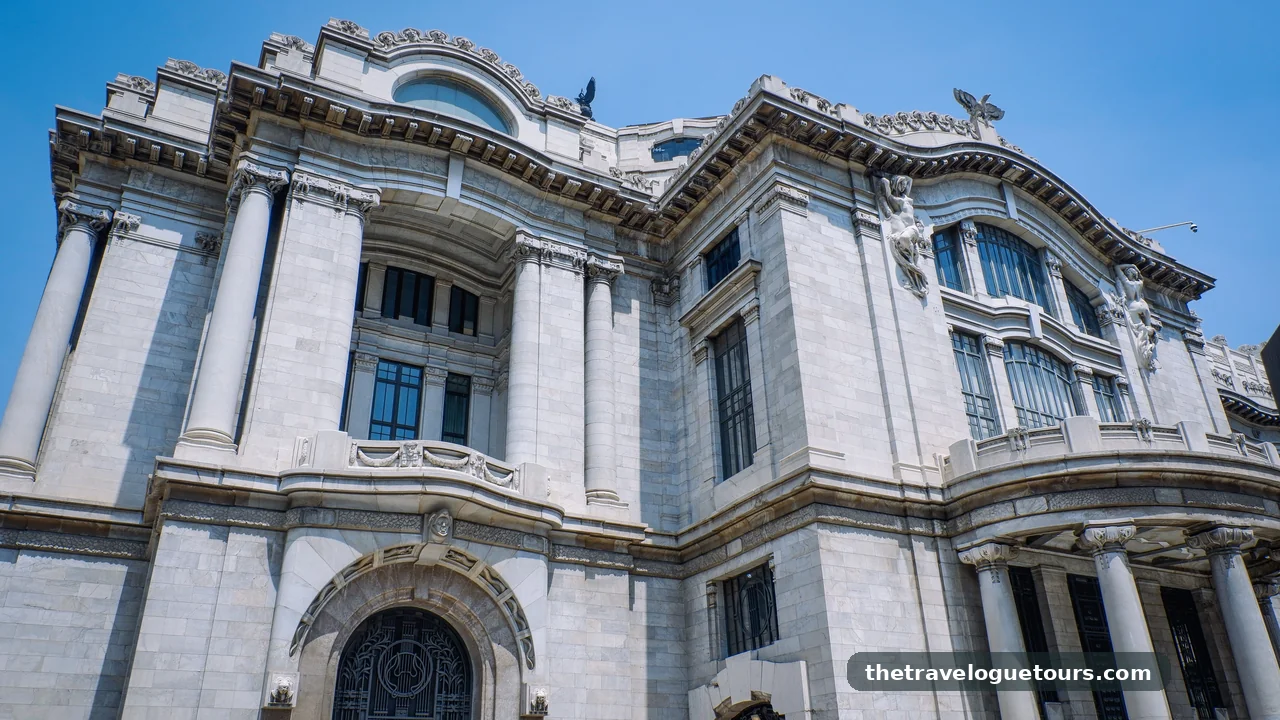
End the morning at the Palacio de Bellas Artes, the white marble opera house with the famous yellow and blue dome. You can walk into the lobby for free and look up at the glass curtain, then buy a ticket to see the Rivera and Orozco murals on the upper floors.
Lunch on the streets between the Zócalo and Bellas Artes. Small fondas and corner stalls are the engine room of the city, and a plate of the daily comida corrida will cost you less than a coffee back home.
Day One Afternoon: Roma and Condesa
Hop on the metro or take a short ride to Roma Norte, the neighborhood where half of all visitors quietly decide to move. Art deco buildings, tree lined streets, coffee shops that roast their own beans, and bookstores tucked into old mansions. Walk Avenida Álvaro Obregón from Insurgentes to Parque México and let the afternoon disappear.
Keep walking west into Condesa, where the street plan itself is art deco. Parque México and Parque España are where the neighborhood breathes: joggers circling the track, old men playing dominoes, dogs in tiny sweaters.
Pick a busy sidewalk restaurant and order what the table next to you is having. In Mexico City, that is always the correct strategy.
These two neighborhoods are also your best dinner zone for the night. Roma’s side streets fill up after dark with mezcalerías, wine bars, and taco counters that stay busy until late. Eat early by local standards, around eight, and you will get a table anywhere.
Day Two: Chapultepec Castle and Museums
Chapultepec Park is one of the largest urban parks in the world, roughly twice the size of New York’s Central Park. Enter from Paseo de la Reforma and walk uphill through the forest to the Castillo de Chapultepec, the only royal castle in the Americas that was actually home to emperors.
The castle now holds the National History Museum, and its terrace looks straight down the Reforma toward the skyline. Go early in the morning to beat the crowds and the midday sun, which hits harder at altitude than you expect.
If museums are your thing, you could spend the whole day in this park alone. The anthropology museum sits on the park’s north edge and holds the Aztec Sun Stone, the giant carved calendar that has become the country’s unofficial symbol. Save it for this day if you skipped the Templo Mayor museum.
Day Two Afternoon: Coyoacán and Frida Kahlo
Ride south to Coyoacán, the colonial village that the city grew around but never quite swallowed. Cobblestone streets, a blue and white church, a market hall where the tostadas are bigger than your face. It moves at half the speed of the center, which is exactly why you come.
The reason most people come is the Museo Frida Kahlo, the cobalt blue house where she was born, lived, and painted. It is small, personal, and deeply moving, more a home than a museum.
Buy your tickets in advance on the official Museo Frida Kahlo website, because the walk-up line regularly wraps around the block.
Give Coyoacán a slow evening. Churros and hot chocolate in the main square, a browse through the bookshops on the side streets, and then ride back to Roma or Condesa for dinner.
Day Three: Teotihuacan
Leave early for Teotihuacan, the ancient city of pyramids about an hour northeast of the capital. The Pyramid of the Sun is one of the largest structures built anywhere in the pre-Columbian Americas, and the Avenue of the Dead runs for miles between temples, palaces, and apartment compounds.
Climbing the pyramids is no longer allowed, which is fine, because walking the avenue at sunrise is the real experience. Arrive when the gates open and you get the place nearly to yourself, with hot air balloons drifting overhead on some mornings.
Before you go, check hours and visitor rules on the official INAH page for the Teotihuacan archaeological zone, since access rules change.
Take a bus from the north bus terminal or book a small group tour with pickup. Either way you will be back by mid afternoon, with the whole evening free.
That leaves you a whole evening for a final taco crawl. Plaza Garibaldi, a short ride north of the center, is where the mariachis gather, and hearing them play under the lights is the right way to end the trip.
Food You Must Try
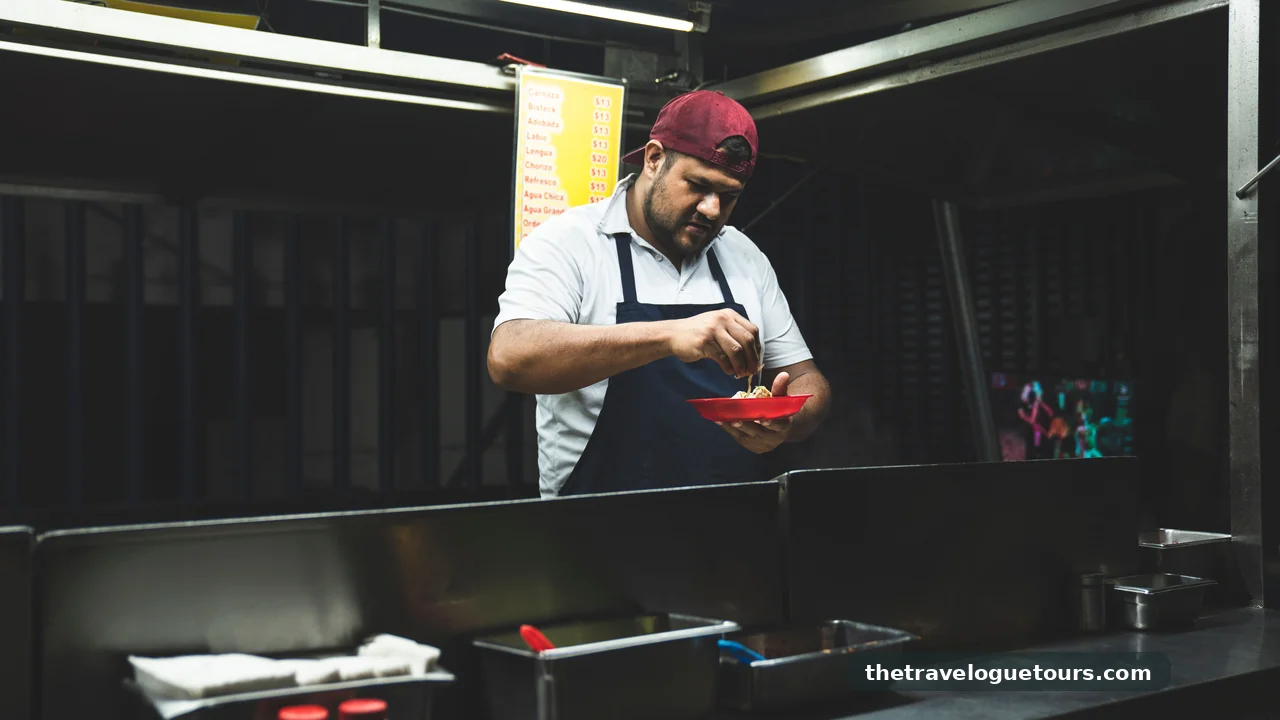
Tacos al pastor first, always. Pork shaved off a vertical spit, a slice of pineapple on top, onion, cilantro, two salsas.
Then chilaquiles for breakfast, tortilla chips drowned in salsa and topped with crema and cheese. Tamales from a street corner steamer for a mid morning snack, elote, the cheese and mayonnaise covered street corn, in the afternoon.
Say “con todo” and you get everything on it. Drink agua de jamaica, the hibiscus iced tea, with everything. It is sweet, tart, and cold, and it puts out the fire from the salsa without killing the flavor.
One rule carries you through the whole food scene: eat where the line is longest and the menu is shortest. The taco stand with the plastic stools will beat the restaurant with the view every time.
Getting Around
The metro costs a few pesos and crosses the entire city, but it gets extremely crowded at rush hour and the station names will test your Spanish. For most tourist routes, the Metrobús is easier: dedicated lanes, clear maps, and Line 4 runs from the airport straight into the Historic Center.
After dark, or when your feet give up around five in the afternoon, take an Uber. It is cheap, safe, and it saves you from decoding night buses. Download the app before you land and attach a card that works abroad, and you will never stand confused on a corner at midnight.
One altitude note for day one: the city sits at 7,300 feet, and you will feel it on the stairs. Drink more water than you think you need, take the first afternoon slowly, and the dizziness fades by day two.
Staying Safe
Mexico City feels far calmer than its reputation suggests, especially in the central neighborhoods where you will spend your time. That said, it is still one of the largest cities on earth, so use the same street sense you would use anywhere. Keep your phone in your front pocket, leave the expensive jewelry at home, and stick to busy, well lit streets after dark.
The scams here are the classic big city ones: rigged taxi meters, distract and grab on crowded metro cars, and overcharging at tourist bars. None of them are new, and our guide to avoiding tourist scams abroad lays out the standard defenses in detail.
Use official taxis or rideshare instead of hailing cabs off the street at night. Keep a copy of your passport on your phone and leave the original in your hotel safe. Small habits, big peace of mind.
Mexico City FAQ
Is three days enough for Mexico City?
Yes, for a first visit. Three days cover the Historic Center, Roma and Condesa, Chapultepec, Coyoacan, and the Teotihuacan day trip, which is the essential first-timer circuit. Add a fourth day only if you want museums in depth.
Is Mexico City safe for first-time visitors?
Yes, with normal big-city habits. Stay in the central neighborhoods, use rideshare at night, keep your phone in your front pocket, and agree fares before rides. Most first-timers leave surprised by how calm it feels.
How do I get from the airport to the city center?
Metrobús Line 4 runs from both terminals straight into the Historic Center and is the cheapest reliable option. Taxis inside the terminal are fixed price, and Uber works well once you are outside.
Can I visit Mexico City without speaking Spanish?
Yes. A translation app, a few hand gestures, and a smile get you through almost every interaction. Learn hola, por favor, gracias, and la cuenta, and you will be fine.
What is the best time of year to visit Mexico City?
March to May is dry and pleasant, with jacarandas blooming in spring. June to September brings afternoon rain, and winter nights get chilly. Avoid the week of Day of the Dead unless you book far ahead, since prices surge.
If three days in CDMX leaves you hungry for more first trips, our roundup of the best cities to visit for first-time travelers points your next flight in the right direction.
Three days is exactly enough if you let the city lead. The pyramids will still be standing at sunrise, the taco line will still be long, and “gracias” will carry you further than you think. Plan the three days, then let Mexico City surprise you.