
8 Hidden European Cities to Visit Next
You have seen the famous squares and fought the crowds. These 8 hidden European cities deliver the old towns, castles, and canal views you came for, without the lines.
Picture your last trip to a famous European square. You arrived dreaming of quiet cobblestones and stayed for a battle through a crowd, phone held high just to see over the heads in front of you.
Now picture the same continent a few hours away by train. A canal-side terrace where you get the corner table without asking, a castle you explore at your own pace, and a restaurant bill that makes you double-check the math because it seems too low.
These are Europe’s second cities, and they are the continent’s best-kept secret. Rankings like the hidden gems list from European Best Destinations keep proving the point: the magic never left Europe, it just moved to places with shorter lines.
Why the Best of Europe Hides in the Second Cities
The big names sell a fantasy that their crowds now make impossible. You do not really experience Rome when you cannot move in the Forum, and you do not experience Barcelona when the beach feels like a subway at rush hour.
Smaller cities flip the math completely. Hotels cost half as much, meals cost less, and the sights stay sights instead of turning into queues. You also meet more locals, because the economy still belongs to the people who live there.
Think of this list as the companion to the classics. If you want to pair famous stops with quiet ones, our guide to the best places to visit in Europe covers the headline names, while everything below covers what comes next.
8 Hidden European Cities to Visit Next
1. Ghent, Belgium
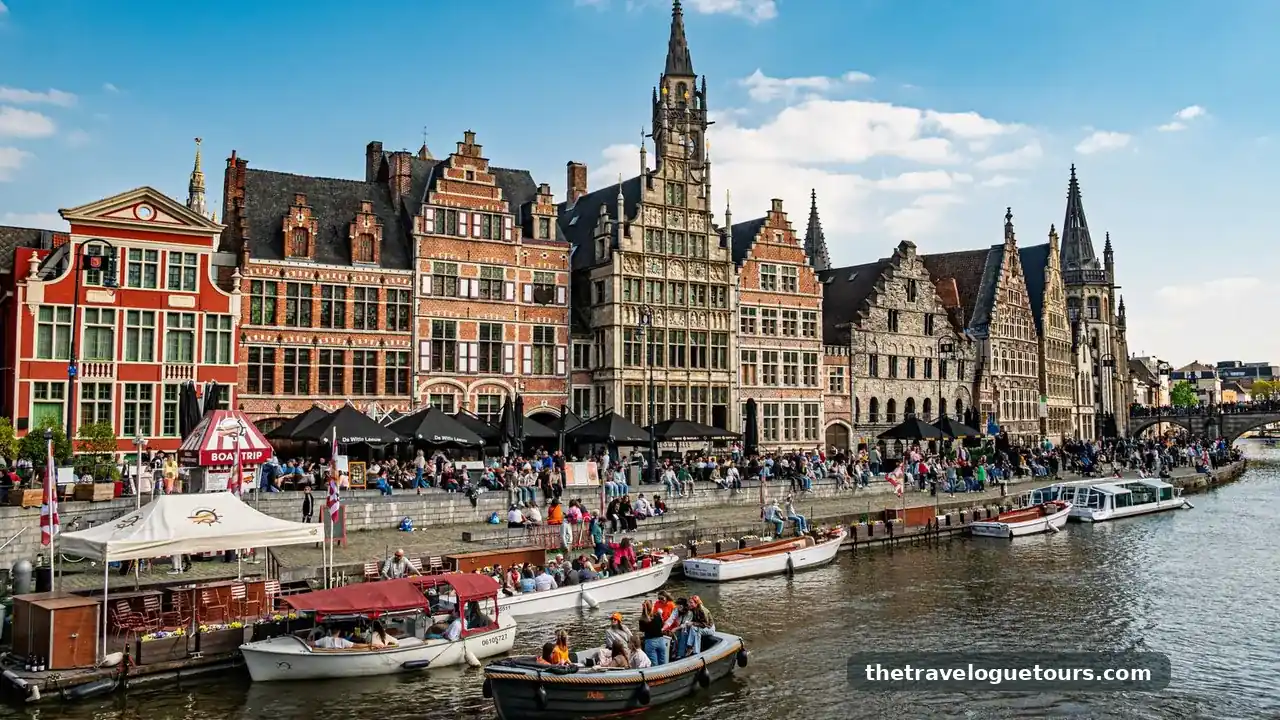
Half an hour by train from Brussels, Ghent keeps everything Bruges promises without the tour buses. The Graslei and Korenlei quays line the old harbor with medieval guild houses, and the historic center is largely car free, so you wander instead of dodging traffic.
Climb the Gravensteen, a real twelfth century castle with a moat, right in the middle of the city. Then stand before the Ghent Altarpiece in St. Bavo’s Cathedral, one of the most famous paintings in the world, in a room you might share with six other people.
Evenings belong to the river. Grab a terrace seat along the water, order a local beer, and watch the old stone facades light up as the day boats drift past.
2. Cesky Krumlov, Czechia
Three hours south of Prague by bus, Cesky Krumlov looks like a film set that forgot to stop being a town. The Vltava River loops around the old town in a near-perfect bend, with the castle rising above the red roofs on the hill.
The castle is the second largest in Czechia, and its courtyards, gardens, and tower climb can fill most of a day. Down in the lanes you will find craft shops, cellar taverns, and a pace that Prague lost years ago.
Stay overnight if you can. The day trippers leave by five, and the lantern-lit streets afterward feel like they belong to you alone.
3. Ljubljana, Slovenia
Slovenia’s capital is small enough to cross on foot and pretty enough to make you slow down on purpose. The Ljubljanica River curls through the center, lined with cafes, willow trees, and the famous Dragon Bridge.
Ride the funicular up to Ljubljana Castle for the view over the old town toward the Alps on a clear day. The center is closed to cars, so the loudest sound at lunch is usually cutlery and conversation.
Use it as a base for the region. Lake Bled is under an hour away, the Postojna caves are close too, and both work as easy day trips that leave your evenings in the capital.
4. Mostar, Bosnia and Herzegovina
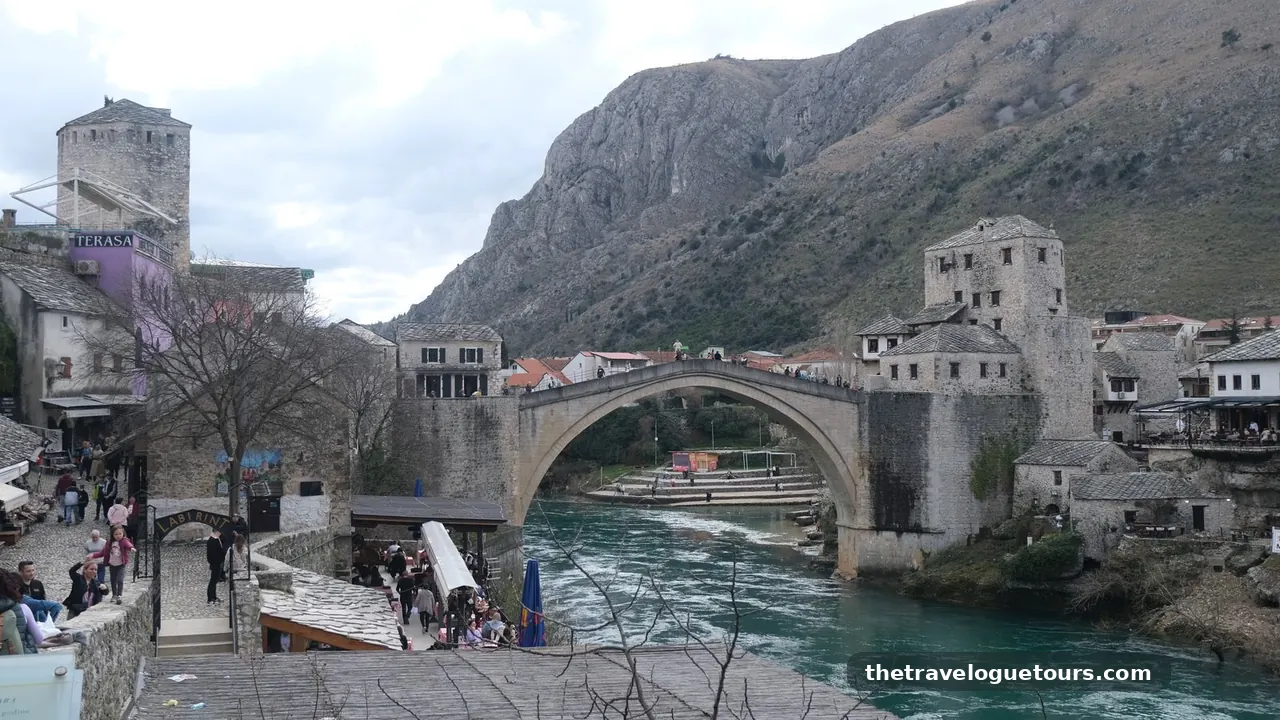
Mostar’s Stari Most, the Old Bridge, is one of the most beautiful single sights in Europe. The sixteenth century Ottoman arch leaps over the emerald Neretva River, and local divers still leap from its top into the water below in summer.
The old town around it is a UNESCO World Heritage site, rebuilt stone by stone after the 1990s war. UNESCO’s World Heritage List is the best place to read exactly what makes places like this significant. Copper workshops, stone lanes, and riverside restaurants fill the streets on both banks.
It pairs perfectly with its neighbors. Sarajevo is a few hours away by bus or the famously scenic train ride, and Dubrovnik works as the coastal bookend to the trip.
5. Plovdiv, Bulgaria
Plovdiv is one of the oldest continuously inhabited cities on earth, and the layers show everywhere. A Roman theater still hosts concerts, Ottoman houses lean over cobbled lanes, and street art covers the creative quarter of Kapana.
It was a European Capital of Culture in 2019, and the investment shows in its galleries, festivals, and restored facades. Yet prices stay Balkan low, so a full day of museums, meals, and coffee can cost less than a single dinner in Paris. For more ideas on traveling well for less, see our guide to the best countries for budget travelers.
Walk up one of the seven hills at sunset. The old town glows, the theater fills with sound checks, and you will wonder why nobody told you about this place sooner.
6. Colmar, France
If you want the Alsace of the postcards, Colmar is where you find it. Half-timbered houses in impossible colors line the canals of the Little Venice quarter, and flower boxes spill over nearly every windowsill.
The town sits on the Alsace wine route, so tastings and vineyard walks are built into any visit. The Unterlinden Museum, home of the Isenheim Altarpiece, gives art lovers something heavyweight between glasses of Riesling.
December turns it up even further. The Christmas markets here are among the best in France, and the whole old town smells of mulled wine and gingerbread.
7. Gjirokaster, Albania
Gjirokaster looks carved from the mountain it sits on. The Ottoman-era stone houses with their slate roofs climb the hillside in tiers, and the castle at the top watches over the Drinos valley.
Wander the bazaar quarter, step inside the Skenduli House to see how wealthy Ottoman families lived, and eat mountain lamb in a stone tavern. The old town shares its UNESCO World Heritage status with Berat, and both reward slow exploring.
It is a natural stop on an Albania loop. Pair it with the Riviera coast at Saranda and the Blue Eye spring, and you have a week that costs a fraction of the Greek islands across the water.
8. Tallinn, Estonia
Tallinn’s old town is one of the best preserved medieval centers in Europe, and a two-hour ferry from Helsinki makes it an easy addition to any Nordic trip. The walls, towers, and Toompea hill look exactly like the storybooks promised.
Climb Toompea for the red-roof panorama, walk the full circuit of the town walls, and then cross into the Telliskivi district for the other Tallinn. There you find street food, craft beer, and creative studios inside old factory halls.
Winter is underrated here. Snow settles on the medieval lanes, mulled wine steams in the town hall square, and the crowds are a fraction of the summer cruise season.
How to Plan Your Route Between Them
Do not try to see all eight in one trip. Pick two or three that cluster together: Ghent with Colmar, Mostar with Gjirokaster, or Tallinn with a Helsinki ferry crossing.
Trains connect the western cities beautifully, and our Europe by train for beginners guide walks you through passes, bookings, and night trains. For the Balkans, buses are frequent and cheap, and budget airlines fill the gaps.
Go in May, June, or September if you can. You get long days and warm evenings with a fraction of the summer crowds, and prices drop along with them.
Hidden European Cities FAQ
Is it safe to visit these hidden European cities?
Yes, these are normal working cities with the same safety profile as the rest of Western and Central Europe. Use the standard precautions you would anywhere: watch your bag in busy areas, avoid unlit streets late at night, and check official travel advisories before you book. Smaller cities are often calmer than capitals, with less petty crime and far fewer scams aimed at tourists.
What is the best time of year to visit these cities?
Late spring and early autumn are the sweet spots. May, June, and September bring warm days and long evenings with a fraction of the summer crowds, and prices drop with them. Winter works well for Tallinn and Colmar, where snow and Christmas markets are part of the appeal.
How many days should I spend in each city?
Two full days covers the smaller ones like Cesky Krumlov, Mostar, and Gjirokaster comfortably. Give three days to Ghent, Ljubljana, Plovdiv, Colmar, and Tallinn, especially if you want a day trip or two. String two or three nearby cities together and you have a relaxed week or ten days.
How do I travel between these smaller European cities?
Trains are the easiest option in the west, with direct connections between Brussels, Ghent, and the French cities. In the Balkans, buses are frequent, comfortable, and cheap, and they reach places trains do not. Budget airlines fill the remaining gaps, especially for Tallinn, so mix and match based on your route.
Are these cities cheaper than Paris, Rome, or Barcelona?
Almost always, and often dramatically. The Balkan cities on this list can cost half or less of a Western capital for hotels, meals, and activities. Even Ghent and Colmar, in pricier countries, stay noticeably cheaper than Brussels or Paris for the same quality of trip.
The famous cities earned their fame, and you should see them at least once. But the trip you talk about for years is rarely the one where you stood in line. It is the one where a small city surprised you.
Pick one of these eight for your next trip. The quiet corners of Europe are still out there, waiting for travelers who look past the obvious. That is the whole secret, and now you know it too.


2 Comments