Where to Stay in Florence Without the Guesswork
Six Florence neighborhoods, compared honestly for first-time visitors. From the Duomo quarter to Oltrarno, find where to stay in Florence so you wake up near the trip you imagined.
The Real Question Under “Where to Stay”
You land in Florence with a short list: the Duomo, David, a sunset over the Arno. Then you open a booking site and face hundreds of hotels in neighborhoods you have never heard of, all claiming to be central.
If you are wondering where to stay in Florence, the question underneath is simpler. Which patch of a very walkable city puts you closest to the mornings you imagined?
Here is the good news. The historic center is about one mile across, so you can walk from the Duomo to the Ponte Vecchio in around fifteen minutes. Your neighborhood choice shapes your evenings and your budget far more than your sightseeing.
This guide compares six areas, each with a clear verdict on who it suits. By the end, you will know exactly what to type into the booking box.
One promise first. No area below is dangerous in the way travel forums suggest. Tourist streets stay busy and well lit, and the only real risks are noise and overpaying.
How Florence Is Actually Laid Out
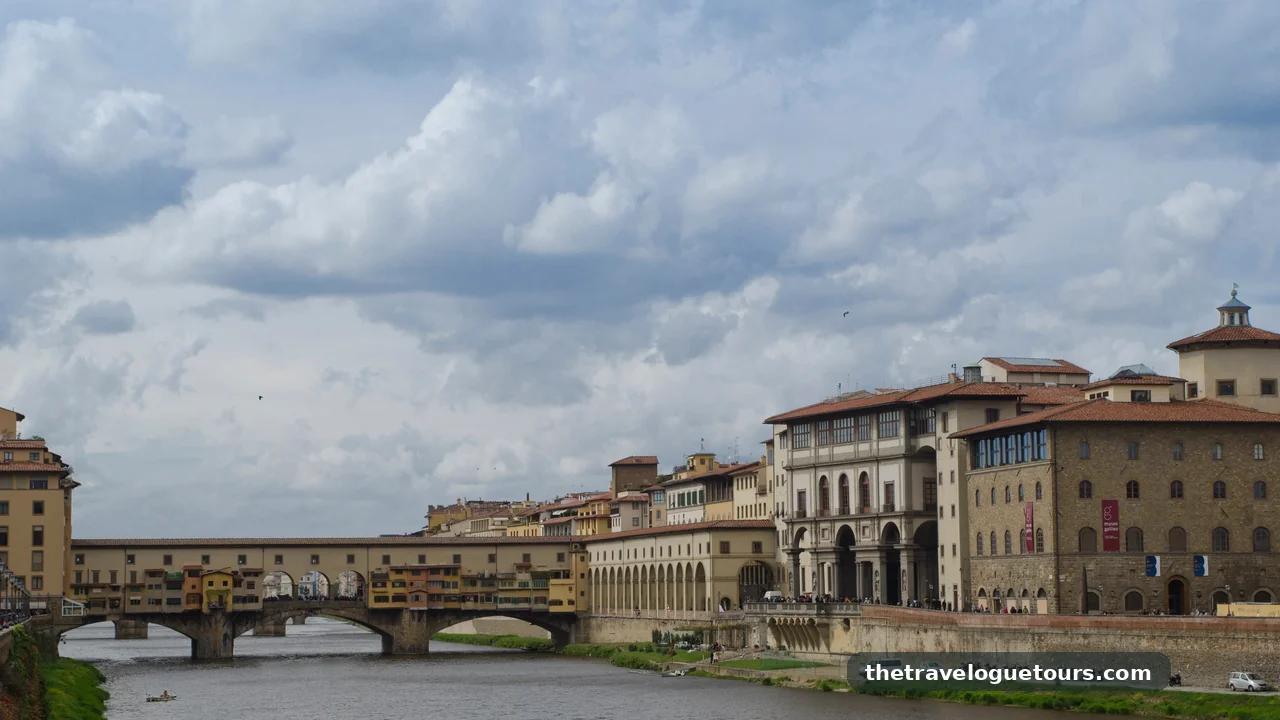
Florence splits into two halves. The north bank holds the historic center, the station, and San Lorenzo, while the south bank across the Arno is Oltrarno, the artisan quarter.
Almost everything a first-timer wants sits on the north bank, except the famous sunset views, which sit on the south. Four bridges cross the river in the center, and locals mostly use Ponte Santa Trinita, a short walk from Ponte Vecchio, to get across faster.
Streets change character fast here. One block can be loud with tour groups and the next one quiet with workshops, so choosing a street matters as much as choosing an area.
1. Around the Duomo: Wake Up in the Postcard
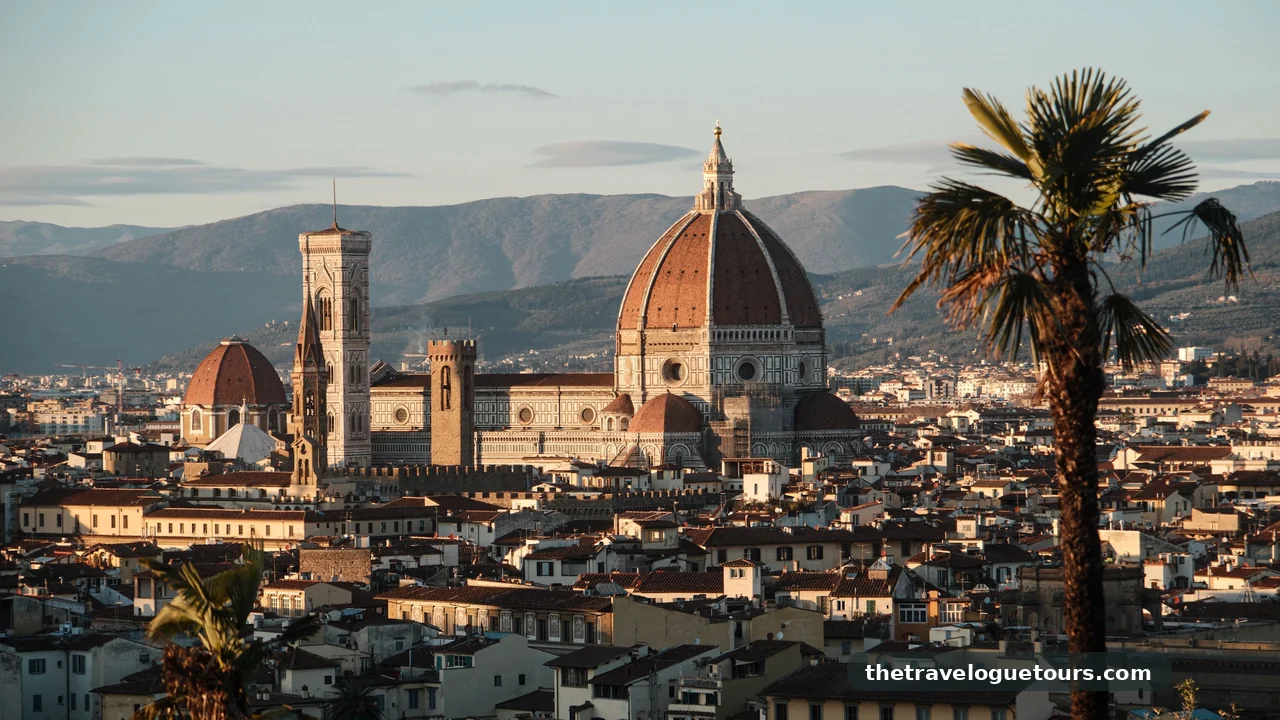
This is where to stay in Florence if your dream is opening the shutters to the cathedral dome. The streets around Piazza del Duomo hold the highest concentration of hotels, and every step outside is a sight.
The tradeoff is real. Prices peak here, crowds gather from 8am outside your window, and restaurants near the square skew touristy. For a short first trip, many travelers say it is worth it, but light sleepers should read on.
Book your museum entries before anything else, since same-day tickets often sell out. The official Uffizi Galleries site lists current hours and prices, and a central bed plus timed tickets means you spend the trip looking at art instead of standing in lines.
2. Santa Maria Novella: Best for Train Days
The blocks around the main station suit travelers arriving or leaving by train, or anyone day-tripping to Pisa or Siena. You can be on the platform in ten minutes without a taxi.
The station side feels less charming than the Duomo side, and the streets right by the tracks are noisy at night. Move two or three blocks south and the same cheap rooms sit on calm, tree-lined streets.
This is the budget sweet spot of the center. Rooms here run noticeably cheaper than the Duomo area for an identical walk to everything, which frees up money for the things you came to see.
3. San Lorenzo: Markets, Leather, and Local Mornings
San Lorenzo sits five minutes north of the Duomo, around the Medici Chapels and the great central market. Mornings start with coffee at the market stalls, and evenings stay lively without the tour-bus crush.
The market area is genuine daily life, not a showpiece, which is exactly why first-timers love it. Street vendors hawk leather all day here, so haggle politely and check the stitching before you buy.
For food lovers, this area wins outright. The Mercato Centrale food hall upstairs feeds you dinner any night you do not feel like hunting for a restaurant.
4. Santa Croce: Nightlife With a Basilica on the Corner
East of the Duomo, Santa Croce centers on its basilica square and one of the city’s best evening scenes. Young crowds, aperitivo bars, and late tables make it the fun pick for travelers who sleep late and stay out.
It sits a ten to fifteen minute walk from the Duomo, far enough to feel calmer by day but close enough to reach the Uffizi on foot. The basilica itself holds Michelangelo’s tomb, worth an hour on any itinerary.
Know that this is the noise capital of the six areas. Ask for a room off the square, not on it, unless you want the city’s nightlife as your lullaby.
5. Oltrarno: The Florence Locals Keep
Cross the river and Florence exhales. Oltrarno, centered on Santo Spirito, is the artisan quarter, full of woodworkers, bookbinders, and aperitivo crowds who actually live in the city.
This is where to stay in Florence if you want evenings that feel Italian rather than touristic. Prices drop, restaurants get better and cheaper, and the famous sunset at Piazzale Michelangelo is practically your local park.
The tradeoff is a hill and a bridge. You will cross the Arno every sightseeing day, about fifteen minutes on foot to the Duomo. For slow travelers that is a feature, and for pack-the-days-full travelers it is a tax.
6. San Niccolo and the Hills: Views for Quiet Sleepers
Tucked between the river and the hill climb, San Niccolo is the gentle gateway to the famous viewpoints. Small hotels and B and Bs sit on climbing streets, and your room may frame the Duomo across the rooftops.
This area suits travelers who want the quietest nights and do not mind stairs. Everything is uphill from here, so it pairs best with relaxed itineraries rather than dawn-to-dusk sightseeing.
The city’s official tourism portal lists the viewpoints and their seasonal schedules, and Destination Florence is the reliable starting point for planning around them. Check the current hours before counting on a sunset visit.
So Which Area Should You Actually Book?
Match the area to your trip, not to someone else’s review. Art-heavy first visit means the Duomo or San Lorenzo. Train-hopping and budget means Santa Maria Novella.
Evenings out means Santa Croce. Local life and sunsets means Oltrarno. Quiet and views means San Niccolo.
Then book early. Florence’s best-located small hotels sell out months ahead for spring and autumn, and prices shift with the season, so check current rates rather than trusting last year’s prices. For the booking itself, our smart strategies for booking cheap hotels online cover the timing and comparison tricks that matter here.
Three Practical Moves Before You Pay
First, pin your hotel on a map and measure walking times to your top three sights. “Central Florence” on a listing can mean twenty minutes uphill, and the map never lies.
Second, pack for cobblestones and stairs. Our travel essentials checklist covers the small things, like a real padlock and a power bank, that old buildings and long days demand.
Third, read the fine print on tourist taxes and check-in hours. Florence charges a city tourist tax per person per night, and many small properties lock their doors early, so message the host about late arrivals. Street touts near the station sell skip-the-line tickets that rarely skip anything, and our practical guide to avoiding tourist scams shows the common plays.
Where to Stay in Florence FAQ
What is the best area to stay in Florence for first-time visitors?
The blocks around the Duomo and San Lorenzo suit most first-timers because the main sights are on foot and evenings stay lively. If you prefer local life, Oltrarno across the river gives better prices and a real neighborhood feel. Train travelers should look near Santa Maria Novella.
Is it better to stay near the Duomo or across the river in Oltrarno?
Near the Duomo puts you closest to the big sights but costs more and gets noisy early. Oltrarno is cheaper and more local, with about a fifteen minute walk back across the river. Choose the Duomo for a packed itinerary and Oltrarno for a slower one.
How many days do you need in Florence?
Three full days cover the Duomo, the Uffizi, the Accademia, and a sunset at Piazzale Michelangelo at a comfortable pace. Four days let you add a day trip to Siena or Pisa. Two days work only if you accept long lines and early starts.
Is Florence walkable from the train station?
Yes. Santa Maria Novella station is about a ten minute walk from the Duomo and the main sights. The historic center is compact, so most first-timers never need public transport. Wear shoes with real grip for the cobblestones.
Where should you avoid staying in Florence?
There is no truly unsafe tourist area, but the streets immediately around the station feel rough at night and should not be your first pick. Anywhere else, the bigger risk is noise and overpaying, not safety. Read recent reviews for the specific street before booking.
You came to Florence for specific mornings, so choose the bed that delivers them. A Duomo view for the postcard, Oltrarno for the evenings, the station side for the trains.
Book the area that matches how you travel, not the prettiest postcard. Then stop researching hotels and start researching gelato, which is the far more important decision.