
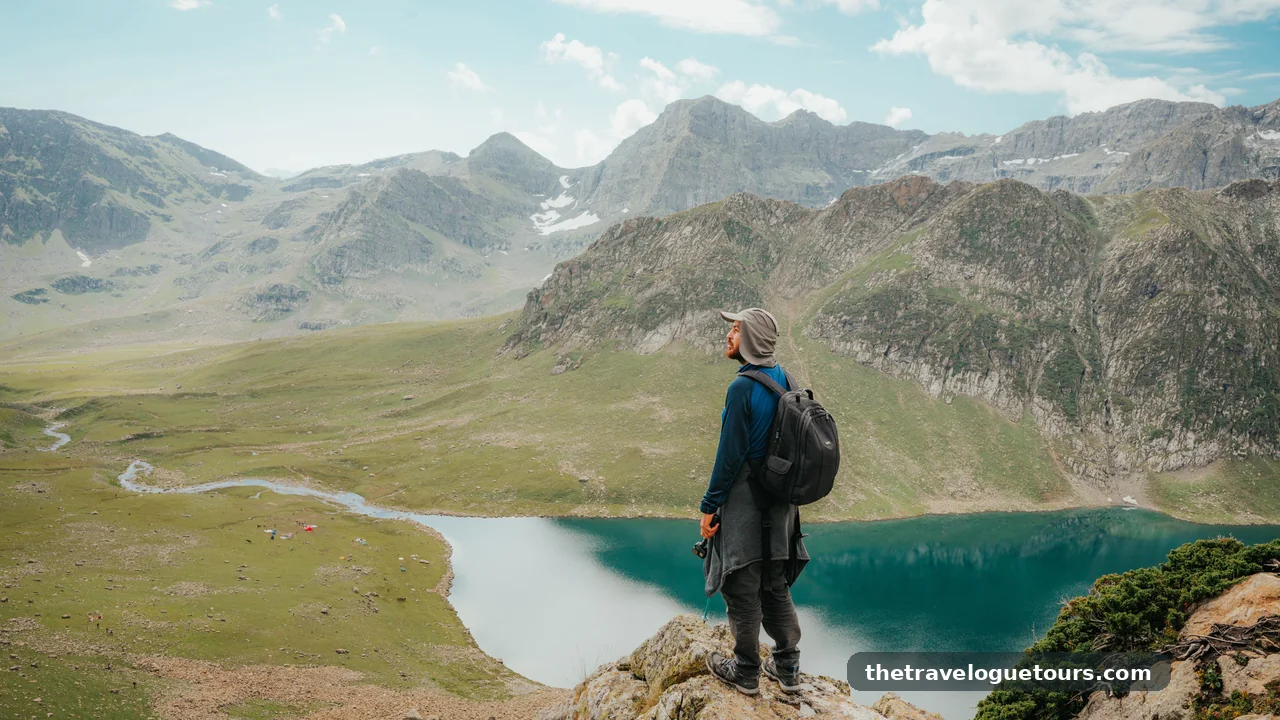
10 Best Hiking Trails in the World
From the gentle Camino de Santiago to the brutal GR20, here are 10 of the best hiking trails in the world, each marked beginner, intermediate, or expert so you can pick the adventure that fits you.
How to Choose Your Next Big Trail
You know that feeling when your feed fills with mountain sunrises and your boots start whispering from the cupboard. Picking the next trail honestly feels like the hardest step of the whole journey.
The question is not whether you are a real hiker, it is which kind of adventure fits the person you are right now. Do you want a gentle path with good food and good company, or a legendary route that will test every muscle you own?
This list gives you both ends of the spectrum, from beginner-friendly paths you could start this year to expert routes that demand serious training. Every trail below comes with its difficulty, location, best season, and how long it takes, so you can match the trail to your ambition.
The 10 Best Hiking Trails in the World
1. Camino de Santiago, Spain, Beginner-Friendly
The Camino is the classic first big trail, a network of pilgrim paths crossing Spain to the cathedral city of Santiago de Compostela. The most popular route, the French Way, runs about 790 kilometers from the Pyrenees to Galicia.
You sleep in simple hostels, eat hearty pilgrim meals, and walk with people from every corner of the planet. Most walkers take four to five weeks, and the best months are April to June and September to October.
Why it is special: it is as much a social journey as a physical one, and you can walk shorter stages if five weeks feels too much. Your fitness grows with the trail, which is exactly why beginners love it.
2. South West Coast Path, England, Beginner-Friendly
This 1,014 kilometer path follows the wild cliffs and fishing villages of southwest England. You do not need to walk all of it, since most people pick a beautiful three to seven day section.
May to September brings the best weather, with seabirds, wildflowers, and cream teas in every village. The walking is gentle enough for first time multi day hikers, with pubs and guesthouses never far away.
Why it is special: the sea stays beside you the whole way, so every hour brings a new headland, cove, or beach. It proves you do not need high mountains to feel like a real adventurer.
3. West Highland Way, Scotland, Beginner-Friendly
The West Highland Way runs 154 kilometers from Milngavie to Fort William through some of Scotland’s finest scenery. Most walkers finish in six to eight days, walking about 20 kilometers a day.
May to October is the best window, with May and June offering the longest days and fewest midges. You stay in villages, bunkhouses, and small hotels, so your pack stays light.
Why it is special: it ends in the shadow of Ben Nevis, Britain’s highest mountain, which gives the whole walk a grand finale. It is the perfect step up if you have only ever done day hikes.
4. Inca Trail, Peru, Intermediate
The Inca Trail is a 43 kilometer stone path built by the Incas themselves, winding over mountain passes and cloud forest to Machu Picchu. Four days of walking ends with sunrise at the Sun Gate, one of travel’s great moments.
The dry season from April to October is the best time to go, with May to September the most reliable months. Only 500 permits are issued per day, and you must book through a licensed operator months ahead.
You will walk through four climates in a single day, so packing smart matters more here than almost anywhere else. These genius packing hacks every traveler should know will help you fit everything into one sensible backpack.
The only official channel for Machu Picchu entry tickets is machupicchu.gob.pe, so check current rules there before you plan anything else. Rules change often, and the official site is the one source you can trust.
Why it is special: you arrive at the ruins on foot through the same gate the Incas used, which no train ride can match. The combination of living history and mountain scenery is simply unbeatable.
5. Laugavegur Trail, Iceland, Intermediate
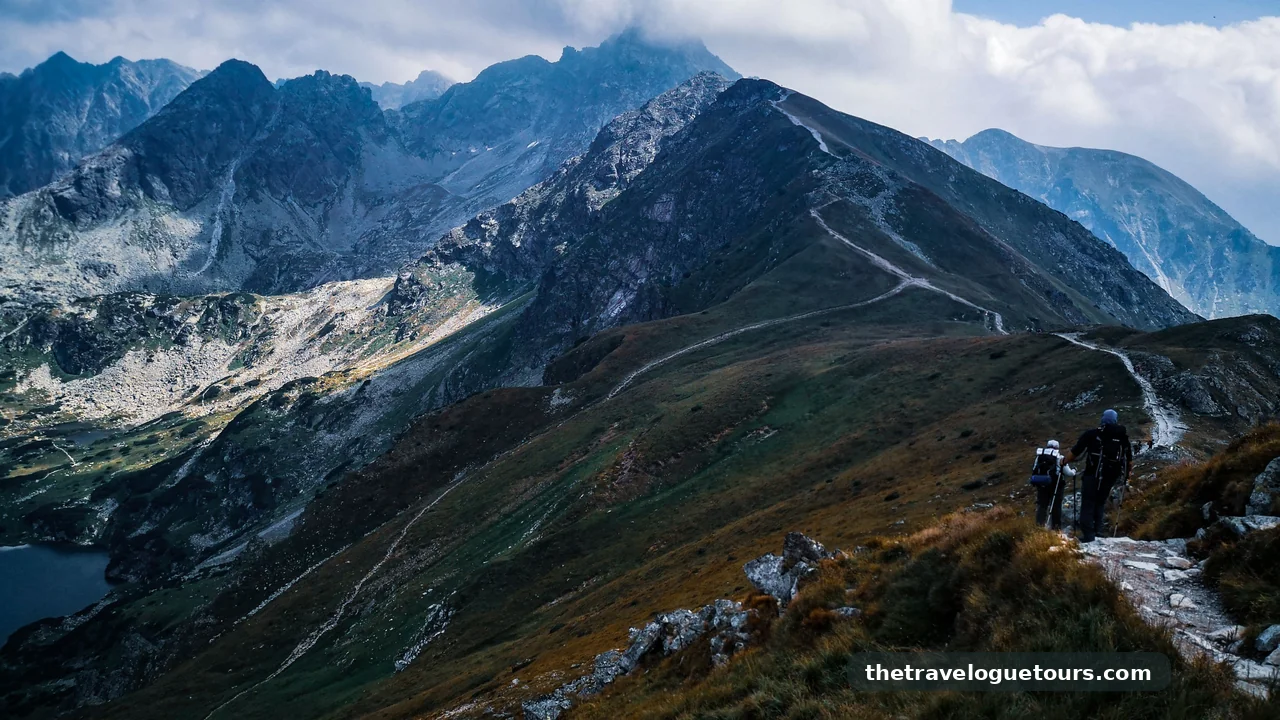
The Laugavegur is Iceland’s most famous trek, 55 kilometers from Landmannalaugar to Thorsmork through landscapes that look like another planet. You cross black deserts, steaming hot springs, and bright green valleys in just four to five days.
The trail is only open from late June to September, when mountain huts and buses are running. Weather changes fast here, so you need proper layers even in midsummer.
Why it is special: few trails pack this much variety into such a short walk, and you can soak in natural hot pools at both ends. It feels wild and remote without demanding expert navigation skills.
6. Milford Track, New Zealand, Intermediate
New Zealand’s Department of Conservation ranks the Milford Track among its Great Walks, and many hikers call it the finest walk in the world. The 53.5 kilometer route crosses Fiordland National Park from Lake Te Anau to Milford Sound in four days.
The official season runs from late October to late April, when huts and track maintenance are fully in place. Bookings open months ahead and sell out fast, so check details and availability on the official Department of Conservation page for the Milford Track.
Waterfalls crash down the cliffs after every rain, and the whole walk is absurdly photogenic. Reading up on how to take travel photos that actually feel like the moment will help you bring the drama home.
Why it is special: the Mackinnon Pass gives you a huge alpine panorama, then the track descends through ancient rainforest to the sea. It is a complete journey from mountain to fjord in just four days.
7. Tour du Mont Blanc, France, Italy and Switzerland, Intermediate
The Tour du Mont Blanc is a 170 kilometer circuit around the highest mountain in Western Europe, crossing three countries in ten to twelve days. You walk through alpine meadows, past glaciers, and sleep in mountain refuges with incredible dinners.
The season runs from mid June to mid September, when the high passes are free of snow. It also helps to check the best time to visit Europe by season and budget so your dates match both the weather and your wallet.
Why it is special: you can wake up in France, lunch in Italy, and sleep in Switzerland, with Mont Blanc watching the whole way. It is the most civilized way to walk through truly wild mountains.
8. Everest Base Camp Trek, Nepal, Intermediate
The Everest Base Camp trek takes you to 5,364 meters at the foot of the world’s highest mountain, a round trip of about 130 kilometers over twelve to fourteen days. You walk village to village through Sherpa country, staying in teahouses with hot meals and warm beds.
March to May and October to November are the best seasons for clear skies and stable weather. The altitude is the real challenge here, not the distance, so build in acclimatization days and walk slowly.
Why it is special: standing below the Khumbu Icefall with Everest towering above you rewires your sense of scale. No other intermediate trek delivers this much majesty for the effort.
9. Kokoda Track, Papua New Guinea, Expert
The Kokoda Track is a 96 kilometer wartime trail through the Owen Stanley Range, walked in eight to ten days of mud, steep climbs, and dense jungle. This is a history walk as much as a hike, following the route of a famous Second World War campaign.
The dry season from April to October is the best and safest time to attempt it. You need excellent fitness, a guided group, and real tolerance for humidity and relentless hills.
Why it is special: few trails on earth combine this much physical punishment with this much meaning. Finish it and you join a small club of people who truly know what tough means.
10. GR20, Corsica, France, Expert
The GR20 runs 180 kilometers the length of Corsica’s granite spine, and many call it the hardest long distance trail in Europe. Twelve to sixteen days of scrambling, steep ridges, and exposed sections demand real experience.
Late June to October is the season, with September offering fewer crowds and stable weather. This is not a trail for your first multi day hike, so train on smaller mountains first.
Why it is special: the island setting means you are never far from the sea, yet the mountains feel completely untamed. It is the trail experienced hikers whisper about with genuine respect.
Pick the Trail That Fits the Hiker You Are Becoming
So here is the honest choice in front of you: start with a trail you can actually enjoy, then let the mountains raise your ambition from there. A beginner trail you finish builds far more confidence than an expert trail you quit.
Whichever number you pick, start training now, book early for the famous routes, and give yourself permission to be proud of the trail you choose. The mountains will still be there when you are ready for the next one.
Hiking Trails FAQ
Which hiking trail is best for a complete beginner?
The Camino de Santiago and the South West Coast Path are the friendliest first big trails. Both let you walk short days, stay in villages, and build fitness as you go.
How far in advance should I book the Inca Trail?
Book four to six months ahead for May to September departures, since only 500 permits are issued per day. Check the official Machu Picchu website for current rules before booking through a licensed operator.
What is the hardest trail on this list?
The GR20 in Corsica and the Kokoda Track in Papua New Guinea are the two expert picks. Both demand serious fitness, experience with rough terrain, and guided support.
Do I need a guide for these trails?
It depends on the route. The Inca Trail and the Kokoda Track require licensed guides by regulation. The Camino, Milford Track, and Tour du Mont Blanc can be walked independently by prepared hikers.
What should I pack for a multi day hiking trail?
Sturdy broken in boots, layered clothing, a waterproof shell, and a pack that fits your back. Add a first aid kit and a water filter, and you are ready for most trails on this list.


4 Comments