
Traveling With a Disability Is Possible
Traveling with a disability is absolutely possible, but it takes smarter planning than most guides admit. This is the honest version: the real challenges of flights, hotels, and ground transport, practical fixes for each, and three places that genuinely do accessibility well.

The Question Nobody Asks Out Loud
If you use a wheelchair or live with limited mobility, planning your first real trip comes with a question most travelers never have to ask: is this actually doable, or is the world just not built for me? Here is the honest answer. The world is not fully built for you.
Not yet. But far more of it is reachable than you might think, as long as you plan differently than the average traveler.
This guide is not a pep talk. It is a practical look at the real friction points, planning, flights, hotels, and ground transport, plus 3 places that genuinely do accessibility well.
Start With Research, Not Booking
Book nothing until you have researched accessibility. The word accessible means wildly different things to different hotels, and most transport websites hide the details that actually matter.
For every hotel, send an email before you book and ask specifics: roll-in shower or just grab bars, doorway width, bed height, and whether the elevator reaches every floor you will use. If the answers come back vague, book somewhere else.
Do the same for attractions. Most major museums, parks, and tour operators now publish accessibility pages, and traveler reviews often mention wheelchair access in passing, which is where the truth lives.
Accessible rooms often cost the same as standard rooms, but genuinely step-free hotels in older cities can run pricier. Price hunting and accessibility hunting can run side by side, so do both at once.
Flights and Airport Assistance
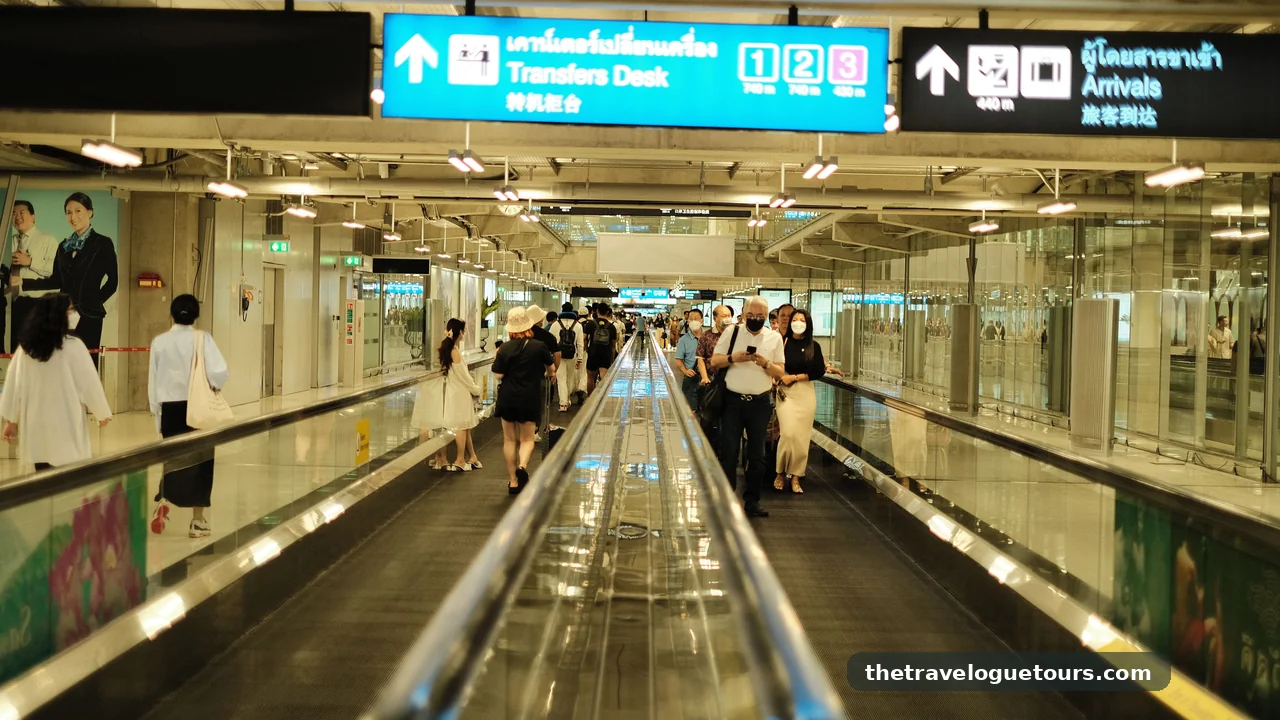
Request wheelchair assistance from your airline at least 48 hours before departure, or add it to your booking online. It is free, and in the US and EU airlines are required to provide it. Our airport survival guide covers the parts of the terminal nobody warns you about, which matter even more when you are moving through it on wheels.
For security screening, check the TSA special procedures page, which explains what to expect when traveling with a mobility device and how to request a private screening if you prefer one. Knowing the process in advance takes most of the stress out of the checkpoint.
Arrive earlier than usual, because assistance staff can be slow during peak times. Confirm your request again at check-in and once more at the gate.
2 minutes of double checking beats missing a connection. If assistance does not show at the gate, ask the gate agent to call for it instead of waiting quietly, since a missed connection costs more than a polite push.
Your own wheelchair usually travels free in the hold. Photograph it from every angle before handing it over and remove any loose parts yourself. Damage claims go nowhere without before photos, and this one habit has saved many travelers a long fight.
Where to Stay
An accessible room is a promise you should verify, not trust. Email the hotel and ask about roll-in showers, doorway widths, bed height, and whether the elevator serves every floor you need.
Newer chain hotels in big cities are usually the safest bet, because accessibility standards are built into the design from the start. Older boutique hotels in historic centers can be stunning and completely impossible, so know which trade you are making.
Read the last 20 guest reviews, not the glossy description. Guests mention the things marketing hides: the accessible bathroom with a 2-inch lip at the door, the ramp that is steeper than it looks, the front desk that actually went out of its way to help. Once you know what to ask, our guide to booking cheap hotels online helps you hunt prices for rooms that meet your requirements.
Getting Around on the Ground
This is where trips succeed or fail. Research ground transport with the same seriousness as flights: which metro lines have working elevators, which bus fleets kneel, which taxi apps in the city offer wheelchair accessible vehicles.
In many European and North American cities, the major metro stations are step-free while the smaller ones are not, so plan your routes station by station. Google Maps and several local transit apps now show elevator outages, which is worth checking the morning you travel.
Renting an adapted car is possible in many countries, but book weeks ahead because the fleets are small. If you travel with a manual wheelchair and a folding frame, ordinary taxis and ride-shares usually work fine with a few extra minutes of loading time.
3 Places That Do It Well
The United States runs one of the best accessibility programs in travel: the America the Beautiful Access Pass, a free lifetime pass for US citizens and residents with a permanent disability. It covers entry to more than 2,000 federal recreation sites, including the national parks, and it also discounts camping and other amenity fees.
The National Park Service accessibility pages list which parks, trails, and visitor centers are wheelchair friendly, so plan your routes there before you go. Yellowstone, the Grand Canyon, and Yosemite all have paved scenic drives, accessible boardwalks, and viewpoints that are genuinely spectacular, not afterthoughts.
Many campgrounds and lodges inside the parks hold accessible sites if you book early, and our 10-day USA road trip itinerary covers the same highways with a trip planner’s eye for pacing. The same pacing rule applies here: fewer stops, longer buffers, and a plan B for the things that matter most.
Barcelona is one of the most wheelchair-friendly cities in Europe. The grid is flat, curb cuts are everywhere, the metro is accessible, and the city beaches offer wooden boardwalks, amphibious chairs, and assisted swimming services in summer.
Las Vegas is an unlikely third. Say what you want about the city, but the Strip is flat, wide, and mostly new, which accidentally created one of the most wheelchair-navigable entertainment districts anywhere. Casinos are legally required to be accessible, and the big hotels carry proper accessible rooms in real numbers.
The Honest Part
Some days will still go wrong. A broken elevator will eat an hour. A step-free restaurant will have 3 steps.
A bus driver will wave you past because the ramp is jammed. None of that is your fault, and it does not mean the trip was a mistake.
Build slack into every day: fewer stops, longer buffers, a plan B for the things that matter most. Experienced disabled travelers say the same thing again and again: a slower itinerary is not a lesser trip.
If you use a wheelchair, pack a small repair kit: a multi-tool, a pump, a patch kit or spare tube, and the number of a wheelchair repair shop at your destination. Hotel concierges usually know one, and it is better to ask on day 1 than to need it on day 4.
Accessible Travel FAQ
Can I really travel independently with a disability?
Yes, with the right planning. Thousands of wheelchair users and people with limited mobility travel independently every year. Start with a shorter trip to a well known accessible destination, build your systems, then go further.
How do I arrange wheelchair assistance at the airport?
Request it from your airline at least 48 hours before departure. It is free in the US and the EU. Confirm the request again at check-in and at the gate, and arrive earlier than usual since assistance can be slow at peak times. If assistance does not show at the gate, ask the gate agent to call for it instead of waiting quietly.
What is the America the Beautiful Access Pass?
It is a free lifetime pass for US citizens and residents with a permanent disability, covering entry to more than 2,000 federal recreation sites including the national parks. It is sometimes called the national park disabled pass, and it also discounts camping and amenity fees.
How do I make sure a hotel room is actually accessible?
Never trust the accessible label alone. Email the hotel and ask about roll-in showers, doorway widths, bed height, and elevator access. Read recent guest reviews too, since they reveal the details that official descriptions leave out.
What should I do if something goes wrong on the trip?
Build slack into your itinerary and keep a plan B for anything essential. Carry a basic wheelchair repair kit and save a local repair shop’s number. Most problems on the road are delays and detours, not trip-enders.
Then pick one place, book one trip, and go see for yourself. Your first trip will not be perfect, but it will prove the most important thing: you can travel on your own terms.
The world is still catching up to you. Go anyway, and let the second trip be easier than the first.





7 Comments