
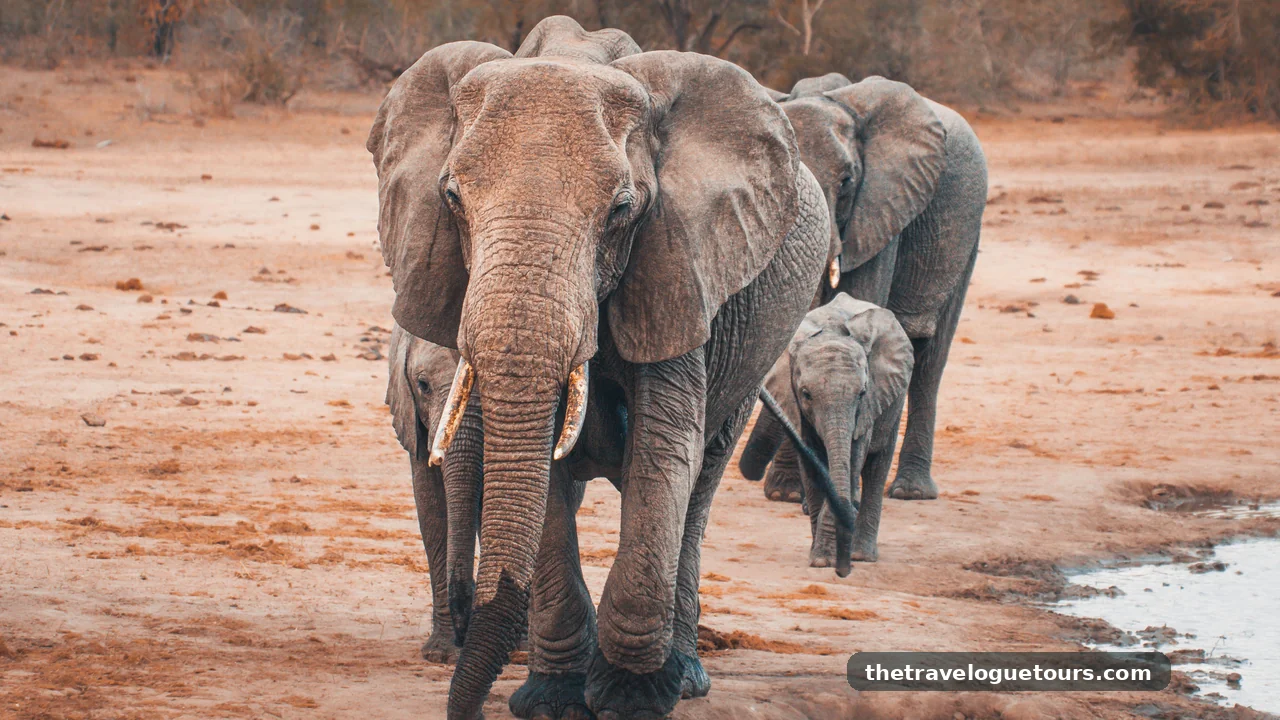
Best Wildlife Encounters in the World
From gorilla trekking in Uganda to polar bears in Churchill, here are the 7 best wildlife encounters in the world, with where to go, when to go, and what makes each one unforgettable.
There is a moment on every wildlife trip that you never forget. The air goes quiet, your guide raises a hand, and then there it is: an animal you have only seen in documentaries, close enough to hear it breathe.
If you are building a bucket list of life changing animal encounters, you probably wonder which ones are worth the money and the long flights. This guide walks you through seven unforgettable wildlife encounters around the world, with the where, the when, and the honest truth about what makes each one special.
1. Mountain Gorilla Trekking in Uganda and Rwanda
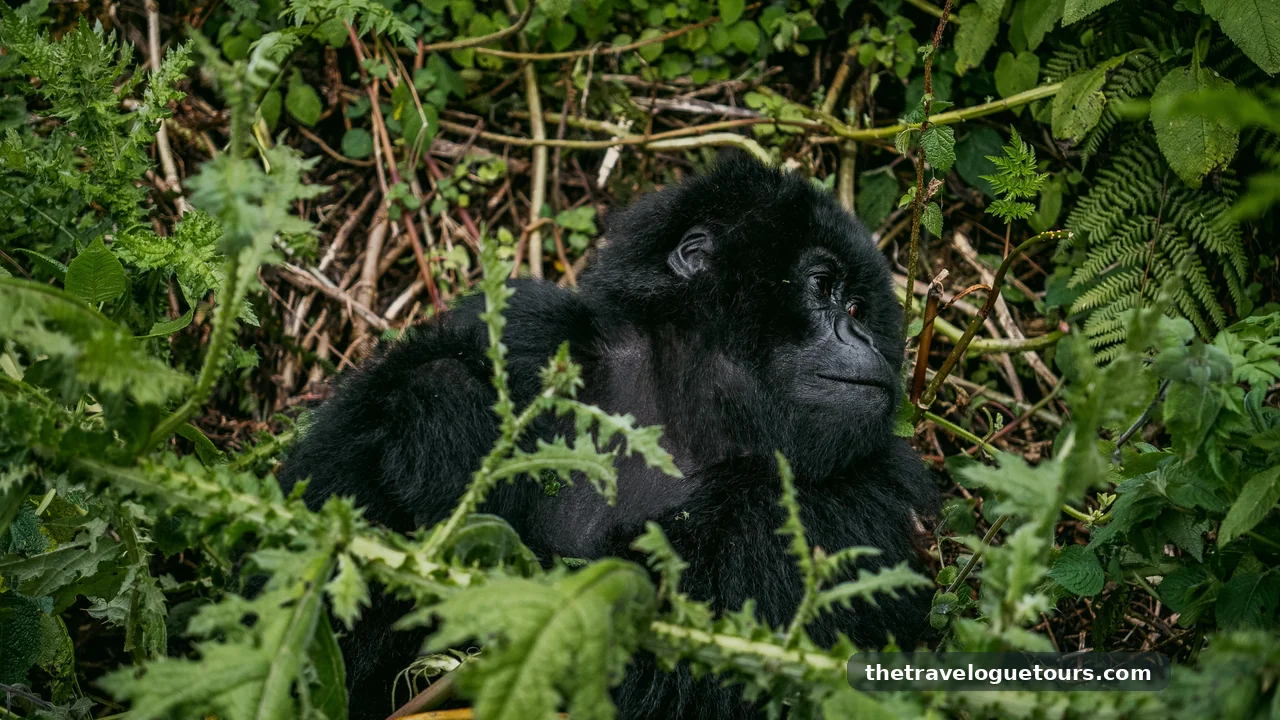
Fewer than 1,100 mountain gorillas remain in the wild, and almost all of them live in the misty mountains of Uganda, Rwanda, and the Democratic Republic of Congo. You trek through thick forest with rangers, and when you find a family, you get one precious hour sitting among them.
The best time to visit is during the dry seasons, from June to September and December to February, when the trails are less muddy. What makes it special is the eye contact. A silverback looks at you the way an old friend would, calm and curious, and you realize how close our two species really are.
Permits are expensive, around 800 USD in Uganda and 1,500 USD in Rwanda, but the money funds ranger patrols that keep these animals alive. Book your permit months ahead, because only a small number of visitors are allowed per family each day.
2. The Great Migration in the Serengeti
Every year, nearly two million wildebeest, zebras, and gazelles circle through Tanzania and Kenya in search of fresh grass. The migration is the largest land mammal movement on Earth, and the most dramatic moment is the river crossings, where crocodiles wait and the herds plunge into the water together.
To see the famous Mara River crossings, plan for July through October, when the herds gather in the northern Serengeti and the Maasai Mara. If you visit from January to March, you will catch calving season in the southern Serengeti, when thousands of babies are born within weeks.
What makes it special is the sheer scale. You look at the horizon and it is simply animals, more than you can count, moving like a slow river of life. If the cost worries you, read our guide on how to plan a trip on a budget before you start saving, because a safari done simply can cost far less than a luxury lodge.
3. Orangutans in Borneo’s Rainforests
Orangutans are the gentle thinkers of the primate world, and Borneo is one of only two islands where they still live wild. You drift down rivers like the Kinabatangan in Sabah at dawn, watching hornbills fly overhead, until your guide points to a rust colored shape high in the canopy.
The best months are the drier ones, roughly March through October, when river levels suit boat safaris. What makes it special is the stillness. An orangutan mother may hold your gaze for minutes while her baby clings to her side, and the forest feels ancient and patient around you.
Choose a river cruise run by a local conservation focused operator, and ask where your fees go. The best ones employ former loggers as guides, which gives the forest more value standing than cut.
4. Polar Bears in Churchill, Canada
Churchill, Manitoba, calls itself the polar bear capital of the world, and every autumn the bears gather on the shores of Hudson Bay waiting for the ice to freeze. You watch them from a custom tundra buggy, sometimes just meters away, as these enormous white animals wrestle, nap, and spar on the snow.
The prime season is October and November, when the bears are most concentrated along the coast. What makes it special is how fragile the moment feels. You are looking at an animal whose whole life depends on sea ice, and standing there makes climate change feel personal instead of abstract.
That feeling is exactly why we wrote about places that are changing because of climate change, because seeing the Arctic before it shifts is a powerful reason to travel soon.
Book only with licensed Churchill operators, and confirm seasonal timings on the official tourism site at travelmanitoba.com. October departures fill up fast, so reserve your tundra buggy seat well in advance.
5. Humpback Whales in Alaska
Every summer, humpback whales arrive in the cold, rich waters of Alaska to feed after their long journey from Hawaii and Mexico. The most unforgettable behavior is bubble net feeding, when a group of whales spirals beneath a school of fish, blowing curtains of bubbles to trap them, then rises together with mouths wide open.
The season runs from May through September, with peak feeding activity in mid summer around Juneau and the Kenai Fjords. What makes it special is the teamwork. You can hear the whales calling to each other underwater before they surface, and the whole boat goes silent when the first spout rises.
Pick a small boat with a naturalist guide and a respectful distance policy, and skip any operator that chases whales or promises you will touch one. A patient captain who cuts the engine and waits always delivers the better memory.
6. Komodo Dragons in Indonesia
Komodo dragons are the largest lizards on the planet, growing up to three meters long, and they live only on a handful of islands in Indonesia. You walk with a ranger and a long forked stick through dry savanna, and when a dragon appears on the trail, your heart beats faster than you expect.
The best time to visit Komodo National Park is the dry season, from April to December, when the seas are calm and the dragons are most active. What makes it special is the strangeness of it. You are sharing ground with a creature that looks like it stepped out of prehistory, in a landscape of rust colored hills and turquoise water.
Komodo National Park is a UNESCO World Heritage Site, and you can read about its protected status on the official listing at whc.unesco.org. Always stay behind your ranger, keep your distance, and never hike the islands without a licensed guide, because these animals are genuinely dangerous.
7. The Wildlife of the Galapagos Islands
The Galapagos is the one place on Earth where wild animals do not seem to fear you. Blue footed boobies dance on the rocks, marine iguanas sneeze salt beside your feet, giant tortoises shuffle through the highlands, and sea lions nap on the benches of fishing villages.
You can visit year round, but December through May brings warmer seas and calmer crossings between islands. What makes it special is the intimacy. The animals evolved without predators, so you observe them at close range while they simply carry on with their day.
Travel by small expedition ship with a certified naturalist guide, because the Galapagos National Park strictly limits visitor numbers at each landing site. The rules are tight, the groups are small, and that is exactly why the experience still feels untouched.
One Rule for Traveling With Wildlife
Here is the single most important tip for responsible wildlife tourism: choose encounters where the animals are wild and free, and where your money clearly helps protect them. The best operators limit group sizes, keep a respectful distance, hire local guides, and contribute fees directly to conservation.
Avoid any experience where you can hold, ride, or take selfies with wild animals, because that kind of tourism almost always comes at the animal’s expense. If you want one more trip idea that pairs wild landscapes with gentle wildlife viewing, our Sri Lanka in 10 days itinerary includes elephant gatherings and leopard country alongside tea hills and surf towns.
Wildlife Encounters FAQ
Which wildlife encounter is the best for a first timer?
The Great Migration in the Serengeti is the best first wildlife encounter, because you see huge numbers of animals in one trip and safaris are well organized for beginners. It is also easier on your body than a gorilla trek, which involves steep forest hiking.
How much does a wildlife bucket list trip cost?
Costs range widely. A Galapagos cruise or Serengeti safari can run several thousand dollars, while whale watching in Alaska or a day trip in the Galapagos can cost a few hundred. Gorilla permits are the single priciest item, at around 800 to 1,500 USD per person.
When is the best time of year for wildlife travel?
There is no single best season, because every encounter has its own window. River crossings happen July to October, polar bears gather in October and November, and whale feeding peaks in mid summer. Pick your encounter first, then plan your dates around it.
Is wildlife tourism ethical?
It can be, when done right. The ethical choice is wild animals in their natural habitat with licensed local guides, limited groups, and fees that fund conservation. Avoid captive animal photo opportunities, riding, and any operator that chases or feeds animals.
Do I need to be very fit for these encounters?
Most are accessible to anyone with average fitness, including safaris, whale watching, and tundra buggy tours. Gorilla trekking and some Komodo hikes are the exceptions, since they involve steep, muddy trails at altitude or in heat. Check the physical requirements before you book.
Seven encounters, seven corners of the planet, one shared feeling waiting at the end of each. You will come home with photos, but the best wildlife encounters leave something quieter: a deeper respect for the wild world we share.
So pick the animal that pulls at you most, save deliberately, book the right season, and go. These are not just trips, they are the stories you will still be telling twenty years from now.



One Comment