
Why Traveling Without a Plan Works
A gentle nudge for over-planners: how traveling without a plan actually works, with three simple rules, honest money and safety basics, and why unplanned days make the best stories.
Your Spreadsheet Is Not the Trip
Your day three says the museum at ten, lunch at noon, the old town at three. It is color coded, time stamped, and triple checked, so now imagine deleting all of it. Your stomach just flipped, and that flip is exactly why you should read on.
You plan because planning feels like control. A packed itinerary promises no wasted days, no wrong turns, no regrets. But here is the uncomfortable truth: the best travel moments of your life were never in the spreadsheet.
Think about it. The restaurant you stumbled into, the viewpoint a stranger mentioned, the town you stayed in one night longer because it felt right. None of those were planned, and all of them are the stories you still tell.
What Unplanned Travel Actually Looks Like
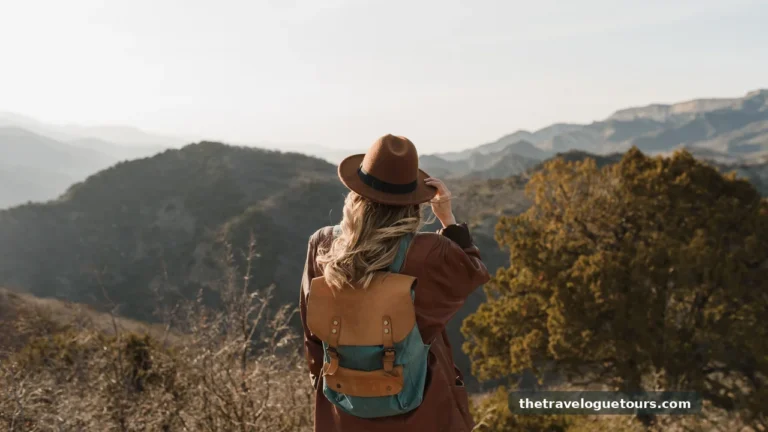
Forget the image of a backpacker with no money and no idea where they are. Unplanned travel, done well, looks like this: your first two nights booked, your flight home fixed, and everything between left open.
You wake up and decide based on how you feel, not what a spreadsheet cell says. If it rains in the morning, take the train to the coast town your hostel owner mentioned, and if the sun shines all week, slow down and stay put. This is how turning a long layover into a mini adventure works too: small windows of unplanned time, and the magic fills them.
The day bends around people and weather and mood instead of the other way around. You talk to the baker, and he tells you about the beach nobody visits. You take the wrong bus, and the wrong bus becomes the highlight of the week.
None of this needs courage so much as permission. Permission from yourself to leave the gap empty. The gap is where the trip actually happens.
The Three Rules That Keep It From Falling Apart
Unplanned does not mean unprepared. It means you prepare the frame and leave the painting blank. Three rules do the heavy lifting.
Rule one: book the first night and the last night. Land tired and know where you sleep, and fly home without scrambling. Everything between is fair game.
Rule two: carry a short list, not a schedule. Three places you might like, two things you might do, one local dish you refuse to miss. A menu, not a timetable.
Rule three: decide the morning of, and commit fully. The people who hate unplanned travel usually hate it because they half decide. Pick the thing that excites you at breakfast and go all in.
This loose structure is also why long trips rarely burn people out. Our article on how to travel long term without burning out makes the same case: flexibility is a pressure valve, not a leak.
Decisions Get Better, Not Harder
Planners fear one thing: standing in a strange town at noon with no idea what to do. But decision fatigue comes from planning, not from spontaneity. When you plan everything upfront, you are deciding blind, weeks ahead, with the least information you will ever have.
On the road, you decide with the most information: the weather, your energy, the person who just told you about the hidden cove. You are literally making better decisions.
Ask locals, but ask well. Do not ask what you should see; ask what they did last weekend and where they would take a friend, and you will get answers no guidebook prints. The odd dud is part of it, and duds are cheap.
Our roundup of travel mistakes you should never make again includes a few born of rigid planning. The opposite error, drifting with no frame at all, is rarer than planners think. Most people self correct fast.
The Money Part, Honestly
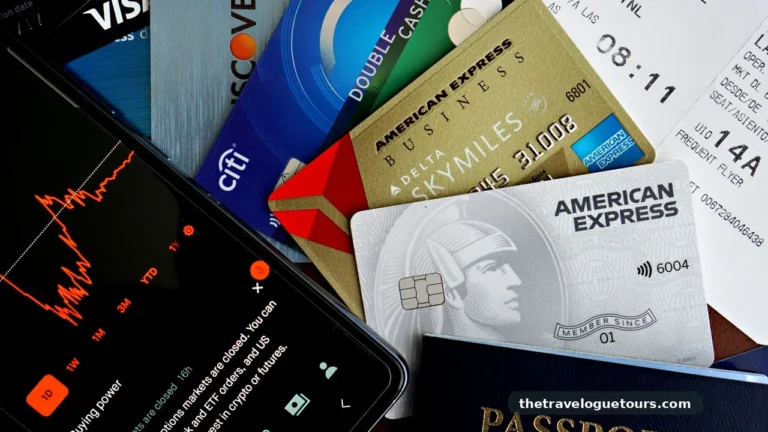
The biggest fear is cost. Surely winging it means pricey last minute hotels and wasted taxis. It can, if you treat every day like an emergency.
Fix it with a daily ceiling, not a line item budget. Decide your number per day for food, bed, and transport, and stay under it on average. Some days you splurge on the boat trip and some days you eat bread and cheese on a bench; the average holds.
Booking transport a day ahead usually costs the same as booking a month ahead in most of the world. Buses, regional trains, and short ferries do not punish spontaneity. Long haul flights do, which is why your flight home is already booked.
And hostels, guesthouses, and small hotels almost always have a bed midweek. Arrive, ask, compare. You often pay less than the online price, because the walk in rate has no commission baked in.
The Safety Part, Honestly
Unplanned is not unsafe if the basics are covered. Tell someone your rough route and check in daily, keep copies of your documents on your phone and in your bag, and know the emergency number wherever you land.
Before you go, skim the UK government’s foreign travel advice for your destination. It is blunt, official, and free, and it tells you the few things that actually matter.
American travelers can use the US State Department travel advisories page the same way. Read it once before you fly, then forget about it and enjoy the trip.
Trust your gut over your itinerary, always. If a place feels wrong at ten in the evening, leave, even if your spreadsheet said stay. The plan was never the boss of you.
Travel FAQ
Is it safe to travel without a plan?
Yes, as long as you cover the basics: share your rough route with someone, keep document copies, and check official travel advice before you go. Spontaneous travel is about flexible days, not reckless decisions.
How much money should I budget for an unplanned trip?
Set a daily ceiling instead of a detailed budget and stay under it on average. In most of the world, buses, regional trains, and guesthouses cost the same whether you book a day or a month ahead.
What is the best type of trip for traveling without a plan?
Anywhere with good local transport and plenty of small guesthouses works well, from Southeast Asia to southern Europe. Start with a week in a forgiving region before trying a month.
What should I book in advance even if I travel without a plan?
Book your first night’s bed and your flight home, plus anything with genuinely limited seats like a famous national park or a popular ferry. Everything in between can stay open.
How do I stop feeling anxious about not having a plan?
Give yourself a short daily menu of two or three options instead of a schedule, and decide the morning of. Most travelers find the anxiety fades after day two, when the first unplanned good day lands.
So try it once. One trip, or even one week of a trip, with no color coding. Book the frame, leave the middle open, and see what walks in.
You will miss a museum or two. You will also eat the best meal of your life in a place you cannot find on a map. And here is the part planners never believe until they try it: the best plan is a flexible one.
The spreadsheet will be waiting when you get home. It always is.

One Comment