

Go Back to the Place You Love
Going back to a beloved destination is not a wasted trip. Here is why returning to the same place teaches you more than ticking off a new country ever will.
The Country Count Trap
There is a tug you know well. Every time you plan a trip, the blank spots on the map start whispering that a real traveler goes somewhere new, somewhere nobody back home has already been. But underneath that noise there is a quieter voice, and it keeps saying the name of the one place you would walk back into tomorrow if someone handed you a ticket.
You are not alone in that feeling. Plenty of travelers stand exactly where you are standing, torn between the country count and the craving to go back. The count feels like progress, and the craving feels like cheating.
It is worth asking where that guilt comes from. Somewhere along the way, travel turned into a collection, and every repeat trip started looking like a duplicate in the album. But a place is not a stamp in a passport, and going back is not going backwards.
Speed is what keeps a place from ever becoming real to you, which is why the case for slow travel keeps growing among people who have seen a lot. A second visit is the slowest trip of all, because you are already past the part where you are jet lagged, confused, and guessing at everything.
The First Visit Was Only the Preview
Think honestly about what that first visit was like. Half of it was logistics: finding the right bus, learning the metro, figuring out which street to trust after dark. The other half was orientation, and you did not have time for much more.
You saw the highlights and mistook them for the place. That famous viewpoint, the busy old town, the restaurant everyone mentioned: those are the cover of the book, not the story. Every traveler is a beginner on the first trip, and beginners only get the surface.
The best version of that destination was never available to you then. It was waiting behind the learning curve, patient, assuming you might come back. Returning to the same place is what unlocks that version.
This is the secret the country collectors never talk about. Nobody falls in love with a place on the first trip. They fall in love with the idea of the place, and the real love affair can only start on the second one.
What Familiarity Quietly Changes
When you return, the beginner’s fog is gone. You know which bus to take, where the good coffee is, and what the street smells like when the bakeries open. You arrive already fluent in the basics, and that changes everything.
Familiarity frees up your attention, and attention is the real currency of travel. Instead of spending it on survival, you spend it on noticing. That is when a place starts giving you its actual self instead of its brochure self.
This is not just a feeling. Researchers who study place attachment have found that how we perceive a place shapes our emotional bond with it, and that perceived naturalness deepens that bond while restoring our mental energy. The work was published in Scientific Reports, and you can read the full study on place attachment and wellbeing on nature.com.
You also stop performing. First trips carry invisible pressure: see the sights, take the photo, prove it happened. On a repeat visit nobody is watching, not even you, so an ordinary Tuesday in a beautiful place can outlast any landmark in your memory.
There is a calmer rhythm to it too, the same rhythm that keeps long trips from going stale. Our guide on traveling long term without burning out makes the case that rest and repetition protect the joy of the road. A return trip is that protection in miniature.
Going Back Is a Deeper Trip
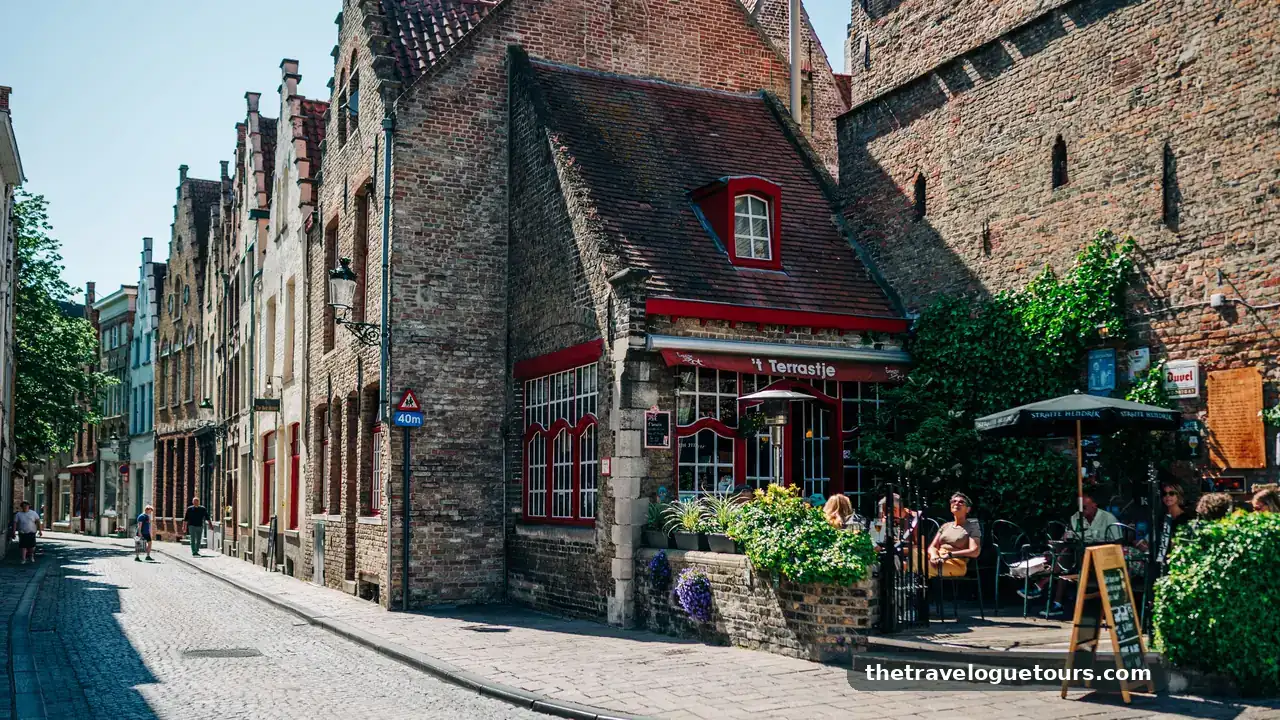
The first trip answers the question of what a place is like. The second trip answers a better one: what is this place like when it is not trying to impress you. You get the side streets, the off season, the ordinary days, and ordinary days tell the truth.
Seasons change the whole story. A city you first met in summer becomes a different place in October rain, with different crowds, different light, different moods. You start to understand its real character instead of its postcard character.
Then there are the people. The shopkeeper who remembers your order turns a transaction into a connection, and the guesthouse owner who saves you your favorite room turns a stay into a homecoming. You stop being a tourist and start being a regular, and regulars get the good version of every place.
Depth is what turns scenery into something that changes you, the way one long desert crossing can rewire how a traveler sees everything after it. Our story of a journey through the Sahara shows what happens when a place stops being a backdrop and becomes a teacher. Second visits do the same thing, just slower.
A National Geographic essay on the habit of returning puts it beautifully: no place is ever finished, and every trip back promises something equally wonderful because it is new in its own way. You can read that National Geographic essay on why travelers go back for a reminder that you cannot do a country, and that impossibility is the whole point.
How to Make a Return Trip Count
Go back with a question the first trip could not answer. Maybe you want to learn ten phrases of the language, cook one local dish properly, or walk the full length of the coast road. A mission turns a repeat visit into an expedition and gives your curiosity a target.
Novelty hands first trips their structure for free, so you have to build it yourself the second time. A small project does the job. It pulls you into corners the tour buses never reach, and corners are where the real stories live.
Change one big variable. Go in a different season, stay in a different neighborhood, or bring different people. Each change reveals a version of the place you had no idea existed, and the map of your relationship with it doubles in size.
Stay longer and move slower. The first trip was a tasting menu, so make the second one a long lunch. Unpack your bag, find your routine, and let the days stop being appointments.
Leave blank days in the plan. The best return trip moments are unplanned: the invitation to dinner, the festival you stumble into, the afternoon that quietly becomes the memory you will talk about for years. You cannot schedule belonging, but you can leave room for it.
And keep a light record. The first trip got all the photos, so let the second trip get the notes, and write down the small things: the names, the meals, the exact spot where the sun did something unforgettable. Returning travelers build the richest journals.
Return Trip FAQ
Is it a waste to visit the same place twice?
No. A repeat visit goes deeper than the first one. You skip the logistics, notice details you missed, and start building real relationships with people there. Many travelers find the second trip richer than the first.
How long should I wait before going back?
There is no rule, but a year or two apart works well. That is enough time for the place to change a little and for you to change enough to see it with new eyes.
Should I stay in the same neighborhood?
Try a different one. Knowing the city already, plus a new base camp, gives you the comfort of the return and the thrill of discovery in a single trip.
Is returning cheaper than visiting a new country?
Often yes. You already know the costs, the pitfalls to avoid, and the affordable corners. Repeat travelers typically spend less because they plan with real knowledge instead of guesses.
What if the place has changed since my first visit?
It will have, and that is part of the lesson. Returning teaches you that places, like people, keep living while you are away. Noticing the change is what deepens your bond with them.
So the next time a blank spot on the map starts whispering that you must go somewhere new, listen for the other voice too. It is pointing at the place that already has a hold on you, and it is asking for a second chapter, not a sequel but a continuation.
Book the ticket back. The place will be different, you will be different, and this trip will teach you something the first one could not: going back is not repeating a trip, it is continuing a story.
The map will wait. The place you love will not wait forever.






7 Comments