
The World’s Best Food Markets for Travelers
You know the exact moment a trip’s food turns on you. It is the third bland meal in a row,…
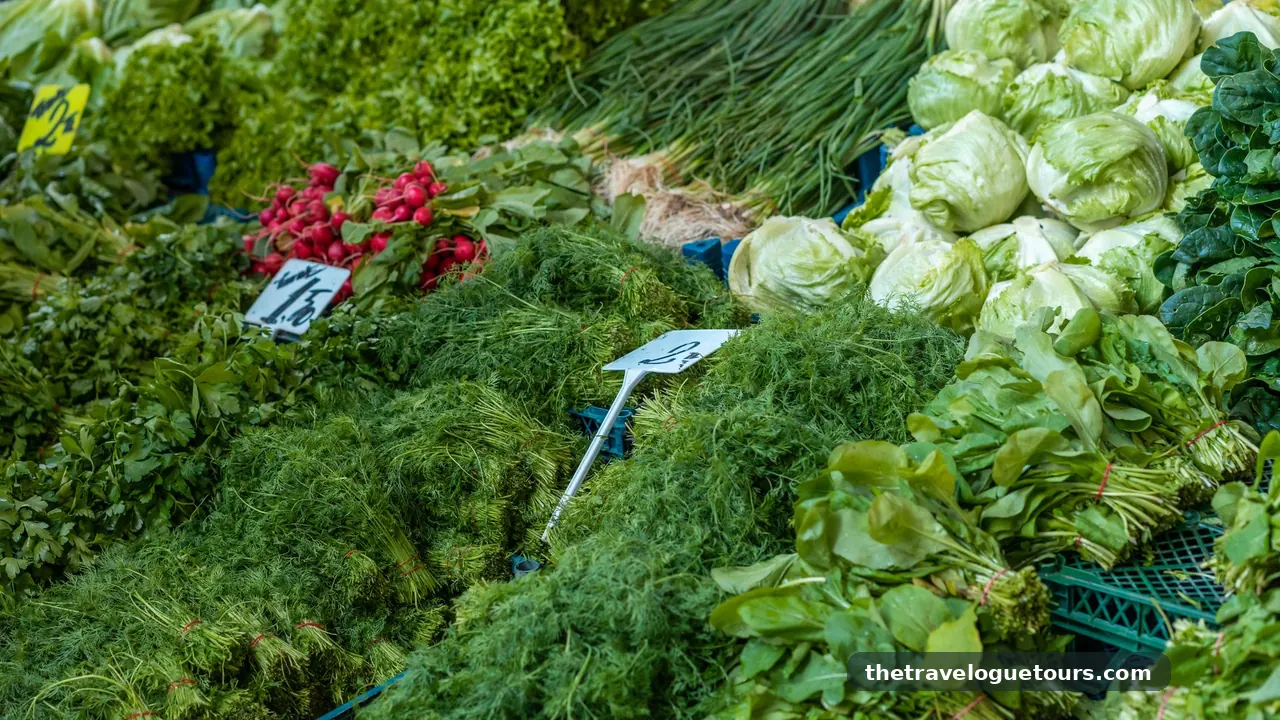
You know the exact moment a trip’s food turns on you. It is the third bland meal in a row, the one you overpaid for near a famous landmark, and you realize no local would ever eat here.
Food markets are the fastest way out of that trap. They are where a city’s real cooking lives, sold by people who shop the same stalls themselves, at prices meant for neighbors instead of tour groups.
A good market tells you everything. The produce shows what is in season, the longest lines show what is actually good, and the smell of something grilling two stalls down settles the question of lunch.
La Boqueria, Barcelona
Just off Las Ramblas, La Boqueria is the market every other market gets measured against. Stalls stack jamon iberico beside pyramids of fresh fruit, and the little counter bars around the edges serve some of the best bites in Barcelona.
It sits firmly among the best cities for food lovers anywhere, the kind of place worth planning a whole trip around. Go before eleven, when the tour groups arrive, and claim a stool at one of the counter bars.
Order whatever the person next to you is having, because that is never the wrong call here. Then walk the aisles slowly, since the market keeps waking up around you and the second lap is always better than the first.
Tsukiji Outer Market and Toyosu, Tokyo
Tokyo’s famous inner wholesale market moved to Toyosu in 2018, but the outer market at Tsukiji kept everything a hungry visitor actually wants. Narrow lanes pack in tamagoyaki stalls, tuna-topped rice bowls, and knife shops generations old.
Arrive before nine in the morning, because the best stalls sell out early and the best atmosphere goes with them. Pair the visit with a full day of experiencing Japan like a local, from neighborhood shrines to late-night ramen shops.
The official Tokyo tourism site lists current hours and access for both markets, so check it before you go. Toyosu needs a reservation for the tuna auction viewing, while Tsukiji’s outer market is a simple show up and graze affair.
The Souks of the Marrakech Medina
The medina of Marrakech is less a market and more a delicious maze. Spice pyramids glow in impossible colors, olives glisten in huge mounds, dates stack like bricks, and grill smoke curls through the covered lanes.
Eat where the smoke is thickest and the plastic stools are fullest. A plate of grilled skewers with fresh bread costs less than a hotel breakfast and delivers ten times the flavor.
Bargaining is expected and friendly here, so treat it as conversation rather than combat. Smile, start low, settle somewhere in the middle, and everyone walks away happy.
Oaxaca’s Markets, Mexico
Oaxaca may be Mexico’s greatest food city, and its markets are the evidence. The Benito Juarez and 20 de Noviembre markets sit side by side downtown, one heavy on produce and the other built for eating.
Try tlayudas, the giant crisp tortillas loaded with toppings, and chocolate ground with cinnamon the Oaxacan way. If you are feeling brave, the toasted chapulines, grasshoppers with lime and salt, are crunchier and tastier than they sound.
Do not miss the pasillo de humo, the smoke aisle, where you pick your meat and the vendor grills it on the spot. Grab a cold drink, find a stool, and wait for the best seat in the house to pay off.
Borough Market, London
Borough has been feeding London for the better part of a thousand years, and today’s version under the railway arches is the city’s best lunch decision. Artisan cheese, fresh pasta, Ethiopian platters, and a grilled cheese sandwich famous enough to draw its own line.
It gets packed between noon and two, so aim for eleven or after three instead. Weekends are the fullest, while a weekday morning gives you room to actually browse and chat with the vendors.
Prices run higher here, but the quality is serious and the grazing strategy still works. Small tastes from five stalls beat one expensive sit-down meal, and you will remember the market lunch far longer.
Taipei’s Night Markets
Taiwan flips the market schedule, because the real action starts after sunset. Shilin, Raohe, and Ningxia are the famous names, each a glowing river of stalls selling pepper buns, stinky tofu, bubble tea, and oyster omelets.
The island’s night markets are a highlight of any street food journey through Southeast Asia, loud and joyful and built for wandering. Go with an empty stomach and comfortable shoes, because you will cover more ground than you expect.
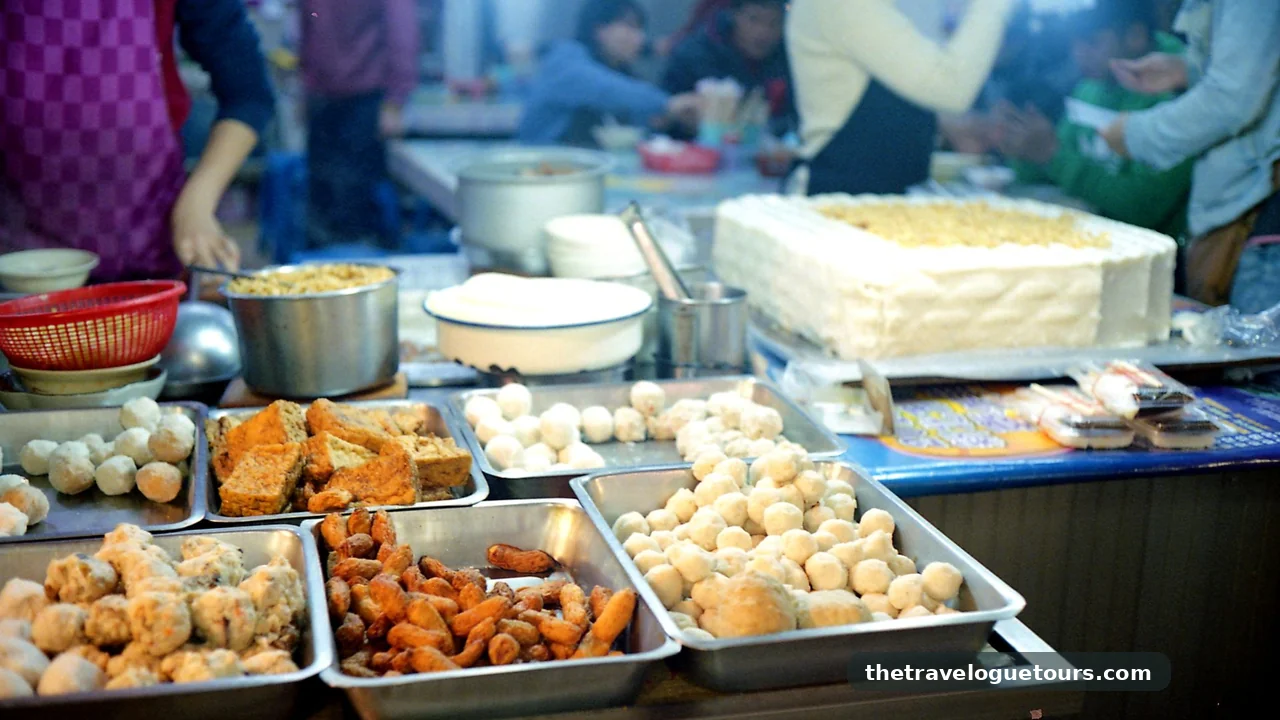
Night markets reward grazing, so eat in small rounds instead of committing to one big meal. One stall, one dish, keep walking, and repeat until you are full or the market closes, whichever comes first.
Pike Place Market, Seattle
Pike Place is the rare market that tourists and locals genuinely share without either group ruining it for the other. The fish throwers get the cameras, but the real move is the produce arcades and the tiny eateries tucked into the lower levels.
Go for breakfast, when the flower stalls are being set up and the crowds are still thin. A salmon sandwich and a coffee with the market waking up around you is Seattle at its absolute best.
The Playbook: What to Buy
Buy what is piled highest and moving fastest. A mountain of mangoes with a crowd around it means peak season and fair prices, while the lonely imported apples are priced for someone else entirely.
Fruit you peel yourself, bread from the busiest baker, cheese cut to order, and anything cooked in front of you are the safest bets anywhere. Bring a small tote or buy one at the first stall, because you will need it by the second aisle.
Skip the souvenir stalls near the entrance, which are priced for people who never walk further in. The same goods sit deeper in the market for less, usually with a vendor who is happy to explain them.
Eating Safely Without the Paranoia
The golden rule: eat where the locals eat, and eat food cooked fresh and served hot. A busy stall with constant turnover beats an empty restaurant with a laminated menu every single time.
Stick to bottled or treated water where the tap is questionable, and wash any market fruit you plan to eat raw. For the full official version by region, the CDC’s traveler food and water guidance is the most reliable reference available.
Trust your eyes more than your anxiety. Clean hands at the stall, fresh oil in the fryer, and ingredients kept on ice are all visible if you look for half a minute before ordering.
Bargaining Without Being Awkward
In fixed-price halls like La Boqueria or Borough, do not haggle, because the price on the sign is the price. In souks, bazaars, and much of Asia, Africa, and Latin America, bargaining is part of the ritual and vendors expect it.
Offer around two thirds of the asking price with a smile, and meet somewhere in the middle. Never start haggling unless you actually want the item, and walk away cheerfully if you cannot agree.
Sometimes the price drops as you turn to leave, and sometimes it does not, and both outcomes are completely fine. The goal is a fair price and a good story, not a victory.
Mornings vs Evenings
Morning markets are for produce and breakfast, when the fish is freshest, the bread is warm, and vendors have full displays. Tsukiji, La Boqueria, and most farmers markets peak before noon.
Evening markets are for dinner and atmosphere, when the grills come out and the whole place starts to glow. Night markets, souk food alleys, and summer evening markets all belong to this shift.
Plan your day around whichever meal matters more to you, and build the market visit around that. An early night’s sleep is a small price for Tsukiji at dawn, and a late dinner is the entire point of Taipei.
Finding Great Markets Anywhere
The best market in town is rarely the one sitting at the top of a guidebook list. Ask your hotel receptionist or host where they personally buy groceries, and watch their face light up with a far better answer.
Search your maps app for “market” plus “local” rather than “famous,” and scan the reviews for words like fresh, cheap, and full of locals. Morning produce markets beat souvenir-heavy craft markets for eating, every single time.
Follow the delivery bikes and the shoppers carrying string bags, because they know where the good stuff is. If office workers are queuing at noon, you have found lunch, and you should join them.
Make Markets Your Travel Habit
Pick one market per city, arrive hungry, and let the longest local line be your guide. It is the cheapest upgrade you can give any trip, and it works on every continent.
The restaurants will still be there tomorrow, but the market at its best is only there right now. Follow the freshest crowd, eat what the season offers, and the city takes care of the rest.
Food Market FAQ
Are food markets safe if I have a sensitive stomach?
Generally yes, if you follow one rule: eat food that is cooked fresh and served hot at busy stalls. High turnover means fresh ingredients, and a crowd of locals is the best safety signal. Drink bottled water wherever the tap is questionable.
What time of day should I visit a food market?
Go in the morning for produce markets and breakfast, when displays are full and the best stalls have not sold out yet. Go in the evening for night markets and grill-heavy food alleys, which only come alive after dark. Midday is the worst of both worlds.
Is bargaining expected at food markets?
It depends on the market. Fixed-price halls like La Boqueria or Borough Market do not haggle, but souks and many markets across Asia, Africa, and Latin America expect it. Smile, offer about two thirds of the asking price, and meet in the middle.
How much cash should I bring to a food market?
Bring cash in small bills, since many stalls do not take cards at all. Market meals are usually cheap, so a modest amount of local currency covers a full grazing session. Stop at an ATM beforehand and you avoid any awkward moments.
Can I enjoy food markets with dietary restrictions?
Yes, and markets can be easier than restaurants because you can see exactly what is being cooked. Point at what you want, ask about ingredients with a translation app, and stick to simple grilled or fresh items. Vegetarians and gluten-free travelers usually find plenty of options.




4 Comments