
Best Time to Visit the Maldives
Month by month Maldives weather and prices: when to go for the best weather, the cheapest months, and how to time your trip for maximum value.
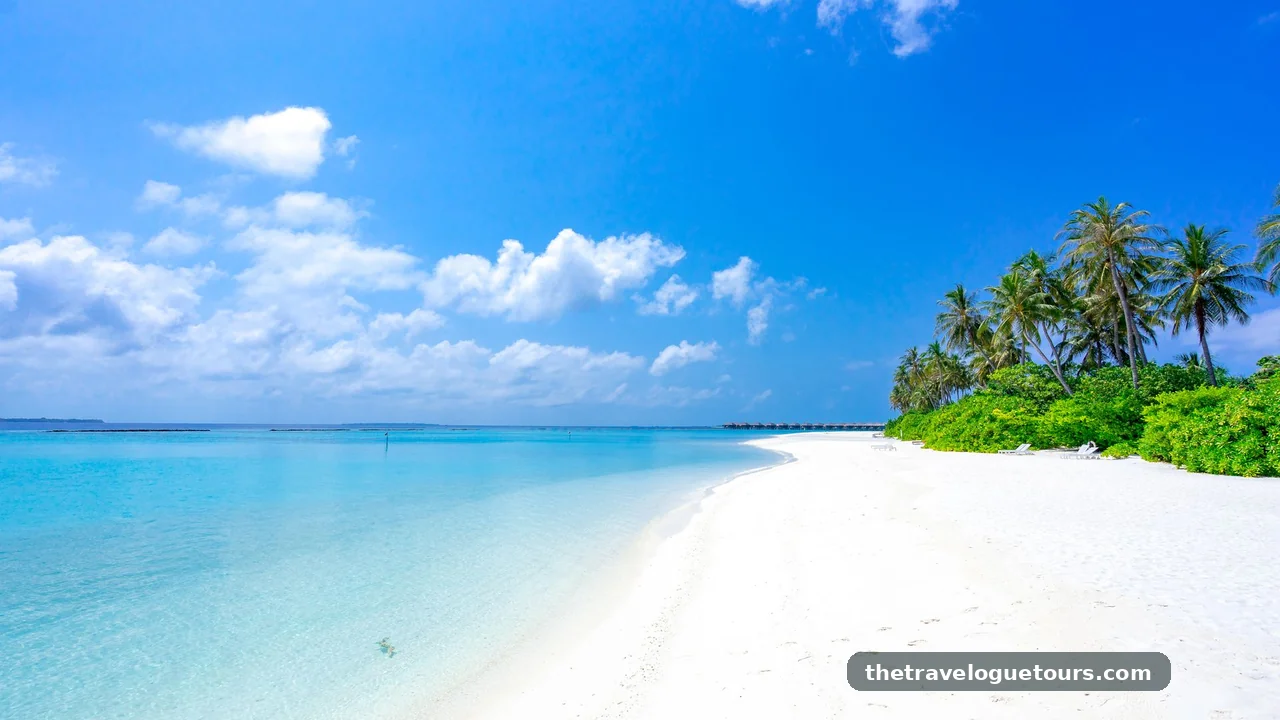
You have probably done this already: opened a dozen tabs of Maldives photos, fallen a little bit in love, and then frozen at the one question every traveler asks. When is actually the best time to go?
It is a fair question, because the answer changes what your trip feels like and what it costs. Go in the wrong month and you might pay peak prices for grey skies. Go in the right month and you get the postcard for less.
This guide breaks down Maldives weather and prices month by month, in plain language. By the end, you will know exactly when to book for your budget and your travel style.
The Maldives Has Two Seasons, Not Four
The Maldives sits just north of the equator in the Indian Ocean, so temperatures barely move all year. Expect air temperatures around 29 to 31 degrees Celsius and warm lagoon water in almost every month.
What does change is the rain and the wind. The northeast monsoon brings the dry season from roughly November to April, and the southwest monsoon brings the wet season from May to October.
Sea conditions matter more here than on most trips, because almost everything you do involves a boat or a seaplane. Calm seas mean better snorkeling visibility, easier transfers, and smoother travel between islands.
The Dry Season From November to April
From November to April, the northeast monsoon keeps skies clear and the sea glassy. Rain is rare, humidity drops, and underwater visibility can reach 30 meters, which is why divers love these months.
This is also when prices peak. Christmas, New Year, and February see the highest rates of the year, with overwater villas sometimes costing double their low season prices.
The sweet spot inside the dry season is late November and April. The weather is still excellent, but the holiday crowds are gone and many resorts drop their rates. If you want the classic dry season experience without the classic dry season bill, target these shoulder weeks.
Before you book, check the official Maldives tourism board at visitmaldives.com for seasonal updates and new resort openings. Demand shifts when big properties open, and the official site tracks what is new.
The Wet Season From May to October
The southwest monsoon brings more cloud, wind, and short heavy rain showers from May to October. Storms can roll in fast, but they usually pass in an hour or two rather than ruining whole days.
The good news is prices. Summer is the Maldives low season, and you can find deals of 30 to 40 percent off peak rates at the same resorts. For many travelers, a short afternoon shower is a fair trade for those savings.
Surf season peaks from June to August, so if you surf, the wet season is actually your season. And if you want to compare options, our best beaches to visit in Asia guide puts Maldives beach time next to other tropical choices.

Month by Month Weather and Prices
November and December
November opens the dry season with clearing skies and warming seas. Early November can still see leftover showers, but prices have not yet hit their holiday peak, which makes it one of the smartest months to visit.
December is the most expensive month of the year. Christmas and New Year fill resorts to capacity, rates spike, and you will need to book many months ahead.
January to March
These are the classic postcard months: blue skies, calm seas, and the best underwater visibility of the year. It is peak diving season, and whale sharks and manta rays are frequently spotted.
Prices stay high through this period, especially around Valentine’s Day and Easter. Book early, because the best value rooms sell out first.
April and May
April is a quiet gem. The dry season is winding down, seas are still calm, and prices begin to fall after Easter. It is one of the best value months for good weather.
May marks the monsoon changeover, with more cloud and the year’s first real rain. Rates drop noticeably, which suits flexible travelers who do not mind a shower or two.
June to August
Mid year brings the wettest conditions, with choppier seas and frequent short storms. Seaplane transfers can face delays when the weather turns, so build buffer time into your itinerary.
This is bargain season, with the deepest discounts of the year at many resorts. Surfers get the best waves, and the rain keeps the islands green and uncrowded.
September and October
The monsoon starts to ease in late September, and October often brings a pleasant mix of sunshine and brief showers. Underwater visibility improves week by week.
Prices stay low through October before the dry season rates return in November. If you can handle some unpredictability, October is excellent value.
What a Maldives Trip Actually Costs by Season
In the dry season, expect mid range beach villas to start around 300 to 500 dollars a night, with overwater villas running far higher. Local island guesthouses are much cheaper, often 60 to 120 dollars a night year round.
In the wet season, resort rates can drop by a third or more, and many properties throw in extras like free seaplane transfers or meal upgrades. Guesthouse prices barely move, so budget travelers see less seasonal difference.
If the Maldives is one stop in a bigger island plan, our dream islands of the Indian Ocean guide shows lesser known islands that pair well with a Maldives trip. Island hopping spreads your cost across very different price points.
Timing Tricks That Save Real Money
Book the shoulder months of April, May, and October for the best balance of weather and price. You get mostly dry days at noticeably lower rates, especially if you are flexible by a week or two.
Watch for each resort’s own promotions rather than waiting for a generic sale season. Many Maldives resorts release early bird deals and stay pay offers that stack on top of low season rates.
If your dates are not fixed, our guide to choosing the right destination based on the season can help you weigh the Maldives against other warm places for the same month. Sometimes a small date shift changes everything.
When Should You Book Your Trip
If your priority is perfect weather and you can pay for it, go between January and March and book at least six months ahead. This is the Maldives at its most reliable, and the good rooms go fast.
If your priority is value, aim for April or October. You trade a small weather risk for a big price drop, and you will still get plenty of sunshine. Britannica’s Maldives overview is a useful reference for the geography behind these seasonal patterns.
Maldives Timing FAQ
What is the cheapest month to visit the Maldives?
June, July, and August usually have the lowest rates, with many resorts cutting prices by 30 percent or more. May and September are also cheap, with slightly better odds of sunshine.
When is the rainy season in the Maldives?
The wet season runs roughly from May to October, driven by the southwest monsoon. Showers are usually short and intense rather than all day rain, and the sun returns between them.
Is November a good time to visit the Maldives?
Yes, early to mid November is one of the best value windows of the year. The dry season is starting, crowds are thin before the holidays, and prices have not yet reached their peak.
Can you visit the Maldives in the wet season?
Absolutely, and many travelers do. Expect brief tropical showers and choppier seas, but also lower prices, fewer crowds, and the best surfing conditions from June to August.
How far ahead should I book a Maldives trip?
For December through March, book six to nine months ahead to get the best rooms and rates. For the low season, two to three months is usually enough, and last minute deals are common.
The best time to visit the Maldives is the time that fits your budget and your tolerance for a little rain. Perfect weather costs more, and that is the whole tradeoff in one sentence.
Pick your month, book with a little flexibility, and then stop checking the forecast. The Maldives in any month beats most places at their best. That is the honest truth, and it is why people keep going back.







4 Comments