
How to Travel Solo Safely
Solo travel gives you complete freedom, builds confidence, and lets you explore the world on your own terms. But for…
Solo travel gives you complete freedom, builds confidence, and lets you explore the world on your own terms. But for beginners, safety is usually the biggest concern. The truth is, solo travel is not dangerous when you approach it with awareness, preparation, and smart decision-making.
This guide covers everything you need to know to travel solo safely, from planning your trip to handling unexpected situations while abroad.
Why Safety Matters More When Traveling Alone
When you travel solo, you don’t have someone watching your back or helping you make decisions. Every choice, from where you stay to how you move around, depends entirely on you. That doesn’t mean solo travel is risky; it simply means you need to be more mindful and proactive.
Being alert, informed, and prepared is what separates a safe solo traveler from someone who runs into avoidable problems.
Choose the Right Destination for Your First Solo Trip
Your destination plays a huge role in your safety. As a beginner, it’s better to choose places that are known for being tourist-friendly, well-connected, and relatively safe. Countries with strong infrastructure, good public transport, and a welcoming culture are ideal. See our list of the best countries for first-time solo travelers for ideas.
Avoid destinations with political instability or high crime rates, especially for your first solo experience. Starting with an easier destination builds confidence and helps you learn how to navigate travel independently.
Research Everything Before You Go
Preparation is your strongest safety tool. Before you travel, research your destination thoroughly. Understand local customs, laws, cultural norms, and common scams. Knowing what to expect reduces your chances of getting into trouble.
Look into safe neighborhoods to stay in, reliable transport options, and emergency contact numbers. Also, check travel advisories and recent updates to stay informed about any risks.
Book Your First Nights in Advance
Arriving in a new country without accommodation can be stressful, especially when you’re alone. Always book at least your first few nights in advance.
Choose accommodations in central, well-reviewed areas with good security. Hotels, hostels with strong ratings, or verified Airbnb stays are usually safer options for solo travelers.
Share Your Travel Plans with Someone
Even though you’re traveling alone, someone back home should always know where you are. Share your itinerary, hotel details, and contact information with a trusted friend or family member.
Check in regularly, even if it’s just a quick message. This adds an extra layer of security and ensures someone can act if something goes wrong.
Keep Copies of Important Documents
Always carry both digital and printed copies of your passport, visa, travel insurance, and ID. Keep them separate from the originals.
If your documents are lost or stolen, having copies will make it much easier to get replacements from your embassy.
Pack Smart and Travel Light
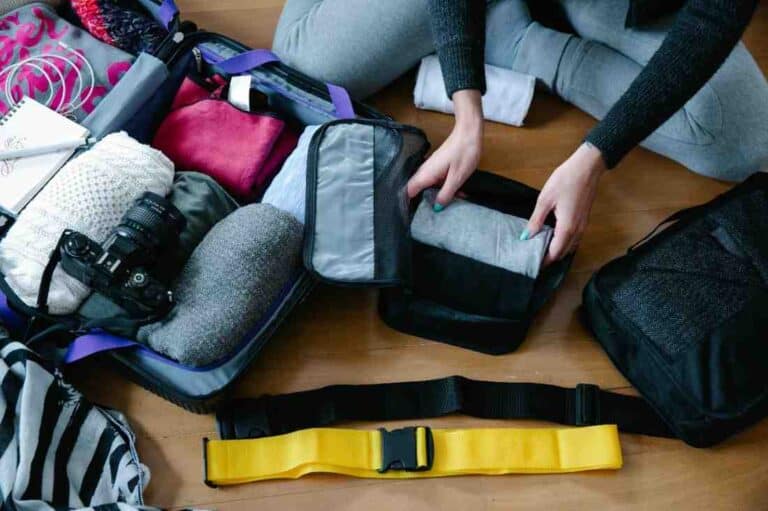
Overpacking can make you less mobile and more vulnerable. Traveling light allows you to move quickly and keep track of your belongings more easily.
Use anti-theft bags, lockable zippers, and money belts to protect your valuables. Avoid carrying everything in one place. Spread your cash and cards across different pockets or bags.
Stay Aware of Your Surroundings
One of the most important safety habits is staying aware. Avoid distractions like constantly looking at your phone in unfamiliar areas.
Walk confidently, observe what’s happening around you, and trust your instincts. If something feels off, remove yourself from the situation immediately.
Avoid Oversharing with Strangers
Meeting new people is one of the best parts of solo travel, but it’s important to maintain boundaries. Avoid sharing personal details like your hotel location, travel plans, or financial situation with strangers.
Be friendly, but cautious. Not everyone needs to know you’re traveling alone.
Use Reliable Transportation
Transportation is one of the most common areas where travelers face issues. Always use trusted options such as official taxis, ride-hailing apps, or public transport recommended by locals or your accommodation.
Avoid accepting rides from strangers or unlicensed drivers. If you’re unsure, ask your hotel staff for guidance.
Arrive During Daytime
Try to reach new destinations during the day. Arriving at night can be disorienting and increases the chances of encountering unsafe situations.
Daytime arrivals make it easier to navigate, find your accommodation, and get comfortable with your surroundings.
Be Careful with Money and Valuables
Never carry all your cash in one place. Keep a mix of cash and cards, and store backups separately.
Avoid displaying expensive items like jewelry, cameras, or large amounts of money in public. Blending in helps reduce the chances of being targeted.
Stay Connected at All Times
Having internet access is crucial for navigation, communication, and emergencies. Get a local SIM card or an international data plan as soon as you arrive.
This allows you to use maps, book rides, and contact help if needed without relying on public Wi-Fi.
Trust Your Instincts
Your instincts are one of your best safety tools. If a situation feels uncomfortable or suspicious, trust that feeling and leave.
Don’t worry about being polite if something doesn’t feel right. Your safety always comes first.
Avoid Risky Situations
Limit activities that could put you at risk, especially when you’re alone. Avoid walking alone late at night in unfamiliar areas, accepting drinks from strangers, or engaging in unsafe activities.
Making smart choices significantly reduces your chances of encountering problems.
Learn Basic Local Phrases
Knowing a few basic phrases in the local language can be very helpful. Even simple words like “help,” “police,” or “thank you” can make communication easier in emergencies.
It also shows respect for the local culture and can improve your overall travel experience.
Have Emergency Contacts Ready
Save important numbers on your phone, including local emergency services, your country’s embassy, and your accommodation.
Having quick access to these contacts can make a huge difference in urgent situations.
Blend In with the Local Culture
Dressing appropriately and respecting local customs can help you avoid unwanted attention. Research cultural norms and follow them as much as possible.
Blending in makes you less noticeable as a tourist, which can improve your safety.
Stay Sober and Alert
While enjoying nightlife is part of travel, staying in control is important. Avoid excessive drinking and never leave your drink unattended.
Being alert ensures you can handle situations effectively and make safe decisions.
Use Technology to Your Advantage
Use travel apps for maps, translations, and transportation. Share your live location with a trusted contact when necessary.
Technology can significantly improve your safety and make solo travel much easier.
Final Thoughts
Solo travel is not something to fear. It’s something to prepare for. With the right mindset, planning, and awareness, it can be one of the safest and most empowering experiences of your life.
The more you travel alone, the more confident and capable you become. By following these safety tips, you can explore the world freely while minimizing risks and enjoying every moment of your journey. And if you want to stay sharp on the road, read our guide to avoiding tourist scams abroad.





3 Comments