

How to Avoid Tourist Scams Abroad
A friendly stranger, a shortcut, a deal that expires in ten minutes. Six scams to recognise, and the habits that stop them.
You are standing in a new city, map in hand, when a friendly stranger steps up to help. They know a shortcut, a better restaurant, a shop their cousin runs.
It feels like luck. It is usually a script.
Tourist scams work because they look like kindness. The good news is that almost every one of them follows the same few patterns, and once you know the patterns, you can see them coming. This guide shows you the 6 most common scams, how each one works, and the simple habits that keep your money and your trip safe.
Why tourists get picked
Scammers do not pick victims at random. They pick people who look unfamiliar with local prices, local routes, and local rules. Tourists carry cash, use foreign cards, and want the authentic experience, which makes them easy to steer.
The tricks rely on two things: urgency and pressure. A deal that expires in 10 minutes. A helpful stranger who will not take no for an answer.
A problem that needs cash right now. Slow down, and most scams fall apart on their own.
Before any trip, read the official advice for your destination. The US State Department travel advisories list region specific warnings for the places you plan to visit.
The UK foreign travel checklist covers documents, health, and safety steps before you go. 5 minutes of reading beats a week of regret.
Six scams to recognise
1. The rigged taxi
The driver refuses the meter, quotes a fixed price far above the going rate, or takes the longest possible route. In some cities the meter itself is rigged. Agree the fare before you get in, use a ride hailing app where one exists, and check the average fare for your route in advance.
2. The closed attraction
A friendly stranger tells you the museum or temple you planned to visit is closed today, then offers a private tour of a nearby hidden gem instead. The site is open.
The hidden gem is a souvenir shop that pays the guide a commission. Check opening hours on the venue website and walk to the entrance yourself.
3. The bracelet or gift
Someone ties a bracelet on your wrist, hands you a flower, or presses a religious item into your palm, then demands payment. Refuse and they turn aggressive.
The defence is simple: do not accept anything, do not stop walking, and say a firm no. The scam needs your guilt to work.
4. The fake police officer
Someone flashes a badge, claims you broke a rule, and demands an on the spot fine in cash. Real officers rarely collect cash fines on the street.
Ask to see official identification and insist on going to the police station. Never hand over your passport or wallet to someone on the street.
5. The currency exchange trick
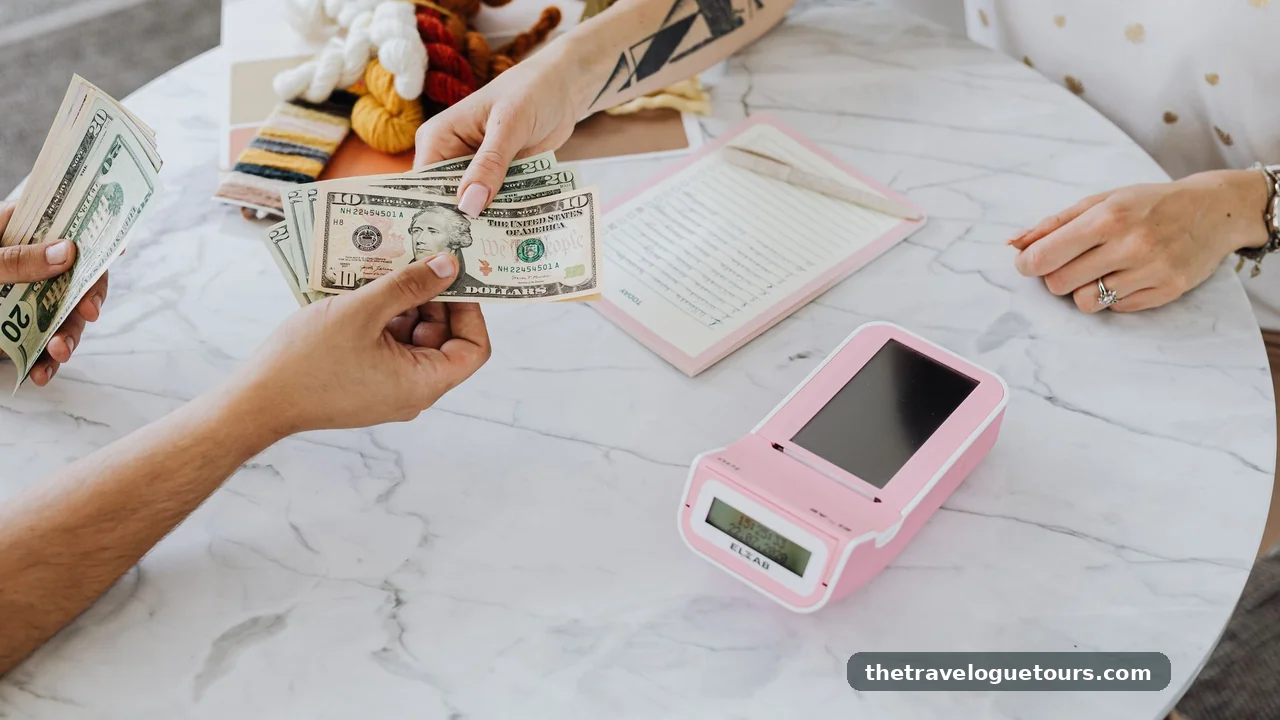
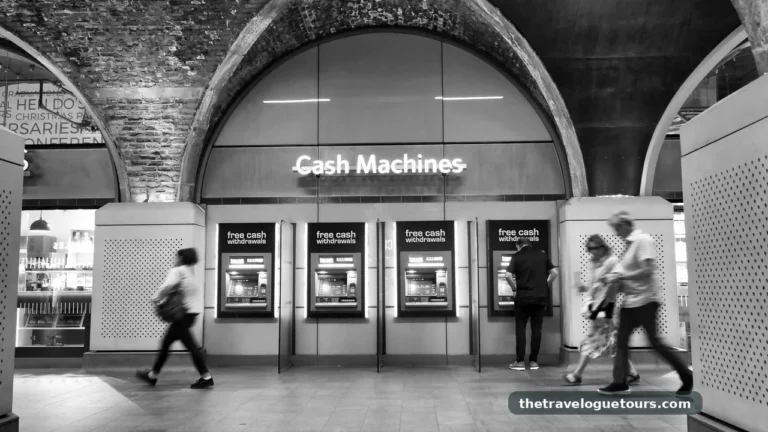
Street money changers offer a great rate, then shortchange you, switch bills, or hand over counterfeit notes. Use banks, official exchange offices, or ATMs. Count your money in front of the teller, and check the real rate on a currency app first.
6. The menu without prices
A restaurant hands you a menu with no prices, or a market price dish with no number attached. The bill arrives at triple what you expected.
Always ask for a menu with prices before you sit down, and question any charge that was not listed. If the bill looks wrong, ask for an itemised receipt.
A defence system that works
Knowing the scams is half the job. The other half is behaviour. Book through official channels: official ticket sites, licensed taxis, and hotels with real reviews.
Verify everything yourself instead of trusting a stranger at the station. Split your money. Keep 1 card and some cash in your hotel safe or a separate bag, so 1 bad moment never takes everything.
The money habits that prevent the worst days are the simple ones: split your cash, use official channels, and verify before you pay. If an offer sounds too good, walk away and check the price on your phone first, since a real deal survives a 5-minute check. Our travel insurance guide explains the cover that helps when something still goes wrong.
Walk with purpose and keep your valuables out of sight. Scammers look for distracted, uncertain targets. Confidence and awareness prevent almost everything, and they cost nothing.
The pause that saves you
Every scam on this list has 1 weakness: it needs you to decide fast. The taxi driver needs you in the car now.
The guide needs you to follow him now. The bracelet is already on your wrist.
Your strongest move is a pause. Step aside, check your phone, and verify the claim.
Real businesses wait. Real officials wait. Only scammers rush you.
Make the pause a habit and you will rarely need the rest of this guide. The scam that cannot rush you is a scam that has already failed.
Dress and act like you know the place
Scammers scan crowds for the easiest target. The traveller staring at a map in the middle of the pavement, wearing a camera around their neck, with a wallet in their back pocket, stands out at a glance.
Keep the map in your pocket and check it in a cafe. Leave the flashy jewellery and the expensive camera in the hotel unless you need them. Walk with purpose, even when you are lost.
You do not need to blend in perfectly. You only need to look like someone who knows where they are going.
That alone steers most scammers toward an easier mark. Solo travelers draw extra attention, so our complete guide to traveling solo safely covers the same habits for trips taken alone.
If you get scammed
Even careful travellers get caught sometimes. Act fast.
Secure your cards and documents first, then report the scam to local police. If your passport is gone, follow the steps in our guide to what to do if you lose your passport while travelling.
Tell your bank the same day if a card was compromised, and document everything: photos, receipts, and notes written while they are fresh. This helps with insurance claims and helps the next traveller too. If the scam involved a card, freeze it in your banking app before you do anything else, since a frozen card stops the loss at the first charge.
Then let it go. 1 bad hour should not ruin a good trip.
Most destinations are safe, and most locals are genuinely welcoming. Stay alert, stay open, and keep enjoying the journey.
Tourist scams FAQ
What is the most common tourist scam?
The rigged taxi and the closed attraction trick. Both rely on a stranger steering you away from the official option and toward their own commission.
Are tourist scams dangerous?
Mostly they cost money, not safety. The risk rises when someone demands your wallet or passport. Never hand either over on the street.
Should I avoid talking to locals?
No. Most locals are kind and honest. Be cautious with unsolicited offers, but do not shut yourself off from genuine connections.
Does travel insurance cover scams?
Some policies cover theft and fraud, but not every loss. Check your policy before you travel and report incidents the same day.
What if police ask for my passport?
Ask for official identification and insist on going to the station. Real officers do not demand cash fines on the street.
Scammers rely on surprise and pressure. Take both away and you take away their whole business.
Verify it yourself, slow down, and say no to anything you did not ask for. Pack your awareness along with your bags, and enjoy the trip.






12 Comments