
How to Travel With Only a Backpack
Imagine stepping onto a plane, train, or bus with nothing but a single backpack—no checked luggage, no bulky suitcases, just you and your essentials. Traveling with only a backpack isn’t just a minimalist trend; it’s a liberating, practical way to explore the world with freedom and flexibility. Whether you’re backpacking across Southeast Asia, hiking through the Andes, or city-hopping across Europe, mastering the art of traveling light can transform your journey. This guide will show you exactly how to travel with only a backpack—from smart packing strategies to choosing the right gear—so you can move faster, stay longer, and stress less.
Why Travel With Only a Backpack?
Traveling with just a backpack offers unmatched mobility. You’re not tied down by luggage carts, baggage claim lines, or airline weight restrictions. Instead, you glide through transit hubs, hop on local buses, and navigate narrow alleyways with ease. Backpack travel encourages mindfulness—you only carry what you truly need, which often leads to a deeper connection with your surroundings and experiences.
It’s also cost-effective. Many budget airlines charge steep fees for checked bags, but with a well-packed backpack, you can often avoid those costs entirely. Plus, hostels, guesthouses, and rural accommodations rarely have elevators or porters—traveling light means you can handle your own gear without hassle.
Beyond convenience, backpack travel builds resilience. You learn to adapt, prioritize, and make do with less. These skills enrich your travel experience and often carry over into daily life, promoting simplicity and intentionality.
Choosing the Right Backpack for Long-Term Travel
The foundation of successful backpack travel is selecting the right pack. Not all backpacks are created equal—especially when you’re relying on one bag for weeks or months. Look for a backpack with a capacity between 35 and 50 liters. This size offers enough room for essentials without encouraging overpacking.
Key features to prioritize include a padded hip belt, adjustable shoulder straps, and a ventilated back panel. These elements distribute weight evenly and reduce strain during long walks or hikes. A top-loading design with a front zipper panel makes accessing your belongings easier than digging through a single opening.
Consider a backpack with a detachable daypack. This allows you to leave your main pack at your accommodation and explore cities or trails with a lighter load. Brands like Osprey, Deuter, and REI offer reliable, travel-specific models designed for comfort and durability.
Mastering the Art of Packing Light
Packing efficiently is the cornerstone of traveling with only a backpack. The goal isn’t to bring everything—it’s to bring only what matters. Start by adopting a capsule wardrobe: a small collection of versatile, mix-and-match clothing items that can be layered for different climates.
For clothing, focus on quick-dry, wrinkle-resistant fabrics like merino wool or synthetic blends. These materials dry fast, resist odors, and pack down small. Limit yourself to 3–4 tops, 2–3 bottoms, and 1–2 lightweight layers. Include one slightly dressier outfit for unexpected dinners or events.
Use packing cubes to organize your items. These compressible organizers keep clothes neat, prevent wrinkles, and make it easy to locate specific items without unpacking everything. Roll your clothes instead of folding them—this saves space and reduces creasing.
Limit footwear to two pairs: one pair of comfortable walking shoes and one pair of lightweight sandals or flats. Wear your bulkiest shoes (like boots) during transit to save space in your pack.
Essential Gear for Backpack Travel
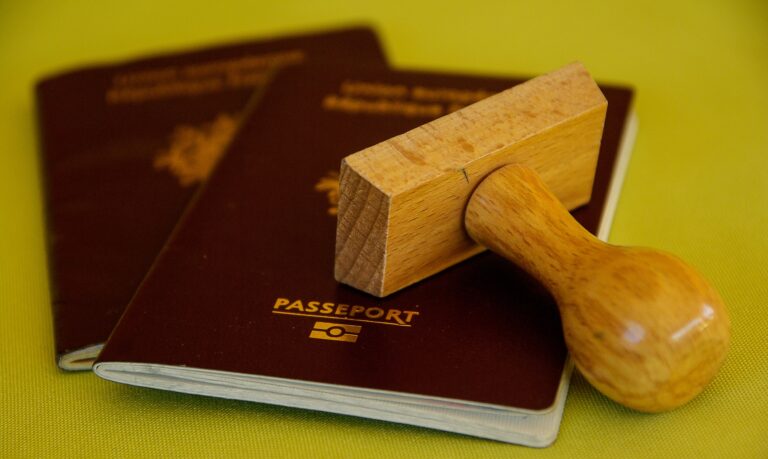
Beyond clothing, your backpack should carry only the essentials. Start with travel documents: passport, visa, travel insurance, and digital backups stored in the cloud. Keep physical copies in a waterproof pouch and digital scans on your phone or email.
Pack a compact travel towel—microfiber versions dry quickly and take up minimal space. A reusable water bottle with a built-in filter is a smart addition, especially in regions with questionable tap water. It saves money and reduces plastic waste.
For electronics, bring a universal adapter, a portable charger, and a lightweight power bank. Limit gadgets to one smartphone, one camera (if needed), and perhaps a tablet or e-reader. Avoid laptops unless absolutely necessary—they add weight and increase theft risk.
Include a basic first-aid kit with band-aids, antiseptic wipes, pain relievers, and any personal medications. A small sewing kit, safety pins, and a multi-tool can also come in handy for quick repairs.
Toiletries and Personal Care on the Road
Toiletries can quickly bloat your backpack if you’re not careful. Opt for travel-sized containers or buy products in destination countries to save space. Solid toiletries—like shampoo bars, soap bars, and toothpaste tablets—are excellent alternatives to liquids, which are subject to airline restrictions.
Pack only what you use daily: toothbrush, toothpaste, deodorant, sunscreen, and a small comb. Feminine hygiene products should be included based on your needs, but consider reusable options like menstrual cups to reduce waste and bulk.
Store liquids in a clear, resealable bag to comply with airport security rules. Keep this bag easily accessible for inspections. If you’re traveling long-term, plan to restock essentials at local pharmacies or supermarkets along the way.
Staying Organized While Traveling Light
Organization is key to maintaining sanity with limited space. Use packing cubes or compression sacks to separate categories: clothes, electronics, toiletries, and documents. Label each cube if it helps you stay on top of things.
Keep frequently used items—like your wallet, phone, and travel documents—in an easily accessible outer pocket or daypack. This prevents you from unpacking your entire bag every time you need something small.
Adopt a “one in, one out” rule: if you buy something new, donate or discard something old. This prevents your backpack from gradually filling up with souvenirs and impulse purchases.
Regularly reassess your pack. At the end of each week, take a few minutes to reorganize, remove unused items, and ensure everything has a designated place. This habit keeps your system efficient and stress-free.
Adapting to Different Climates and Destinations
Traveling with only a backpack means you must be strategic about climate adaptation. For tropical destinations, pack lightweight, breathable clothing and insect repellent. In colder regions, focus on layering: a base layer, insulating mid-layer, and waterproof outer shell.
Research your destination’s weather patterns before you go. A sudden cold snap or monsoon season can catch unprepared travelers off guard. Pack a compact rain jacket or travel umbrella regardless of the forecast—weather can change quickly.
If you’re moving between climates, consider mailing non-essential items home or storing them temporarily. Some travelers use luggage storage services in major cities to offload winter gear before heading to warmer regions.
Managing Laundry on the Road
Laundry is inevitable when traveling long-term with limited clothing. Fortunately, washing clothes by hand is simple and cost-effective. Use a small amount of biodegradable soap and a sink or basin to wash items in your hostel or hotel room.
Pack a portable clothesline or use hangers to dry your clothes overnight. Quick-dry fabrics will be ready to wear by morning. Many hostels also offer coin-operated washing machines, which are convenient for larger loads.
Plan your laundry days strategically—ideally after a rest day or when you’re staying in one place for a few nights. This ensures you always have clean clothes without disrupting your travel rhythm.
Staying Safe and Secure While Backpacking
Security is a top concern when traveling with all your belongings in one bag. Use a money belt or hidden pouch to store cash, cards, and important documents. Keep your backpack zipped and use a small lock on the main compartment when in crowded areas or shared accommodations.
Be mindful of your surroundings, especially in tourist-heavy areas where pickpocketing is common. Avoid displaying expensive items like cameras or jewelry. When sleeping in dorms, use a locker if available, or keep valuables in a secure inner pocket.
Register your trip with your country’s travel advisory service if applicable. Share your itinerary with a trusted friend or family member and check in regularly. Trust your instincts—if a situation feels unsafe, leave.
Maximizing Comfort Without Sacrificing Space
Comfort doesn’t have to be sacrificed for minimalism. A lightweight travel pillow can make long bus or train rides more bearable. Choose inflatable or compressible versions that pack down small.
Bring a lightweight scarf or sarong—it doubles as a blanket, beach cover-up, or makeshift towel. Earplugs and an eye mask help you sleep in noisy or bright environments, common in hostels or overnight transport.
If you’re sensitive to discomfort, consider a small foam seat pad for hard benches or long waits. These tiny luxuries can significantly improve your travel experience without adding much weight.
Key Takeaways for Backpack Travel Success
- Choose a backpack between 35–50 liters with ergonomic support and smart compartments.
- Pack a capsule wardrobe with versatile, quick-dry clothing and limit footwear to two pairs.
- Use packing cubes and roll clothes to maximize space and stay organized.
- Bring only essential toiletries and consider solid alternatives to liquids.
- Keep electronics minimal and prioritize a universal adapter and portable charger.
- Wash clothes by hand and plan laundry days to maintain cleanliness.
- Secure valuables with a money belt and use locks in shared spaces.
- Adapt to climates with layering and research weather patterns in advance.
FAQ: Common Questions About Traveling With Only a Backpack
How much weight should my backpack be?
Ideally, your fully packed backpack should not exceed 10–15% of your body weight. For most travelers, this means aiming for 15–20 pounds (7–9 kg). Test your pack before departure by walking around with it loaded—adjust straps and redistribute weight if needed.
Can I really fit everything I need in one backpack?
Yes—if you pack smart. Focus on versatility and multi-use items. For example, a sarong can serve as a towel, blanket, or scarf. Many travelers find that after the first week, they use far fewer items than they initially packed.
What if I need something I didn’t bring?
You can buy most essentials at your destination. Pharmacies, supermarkets, and local markets sell toiletries, clothing, and gear. This also gives you a chance to support local businesses and adapt to regional needs.
Final Thoughts: Embrace the Freedom of Backpack Travel
Traveling with only a backpack isn’t about deprivation—it’s about empowerment. It forces you to prioritize experiences over possessions, movement over stagnation, and adaptability over comfort. The less you carry, the more room you have for spontaneity, connection, and discovery.
Once you master the basics—choosing the right pack, packing efficiently, and staying organized—you’ll find that backpack travel opens doors to places and experiences that heavier luggage would never allow. You’ll move faster, stay longer, and engage more deeply with the world around you.
So pack light, travel far, and let your backpack be your compass. The journey isn’t just about where you’re going—it’s about how you carry yourself along the way.