
Digital Nomad Essentials That Keep You Sane
It is 10pm in a city where you barely speak the language, your client call starts in an hour, and…
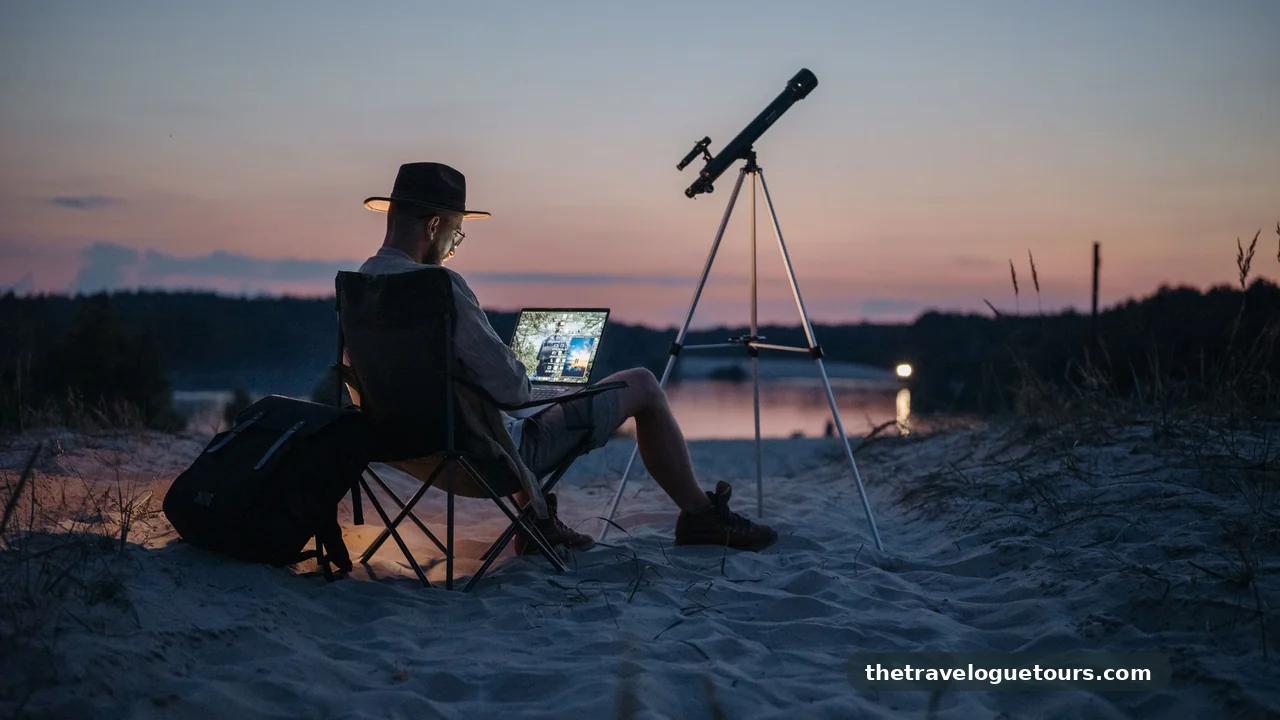
It is 10pm in a city where you barely speak the language, your client call starts in an hour, and the hostel wifi just gave up. Your laptop battery sits at eleven percent, and the adapter you need is buried in your other bag. Somewhere back home, your team is waiting on the file you promised this morning.
That 10pm scramble is the reality of remote work on the road for anyone who tries to wing it. The laptop on the beach is a fantasy, but the panic is real and completely avoidable. The difference between the two is not luck, it is a simple system you set up once.
The gear that actually earns its place
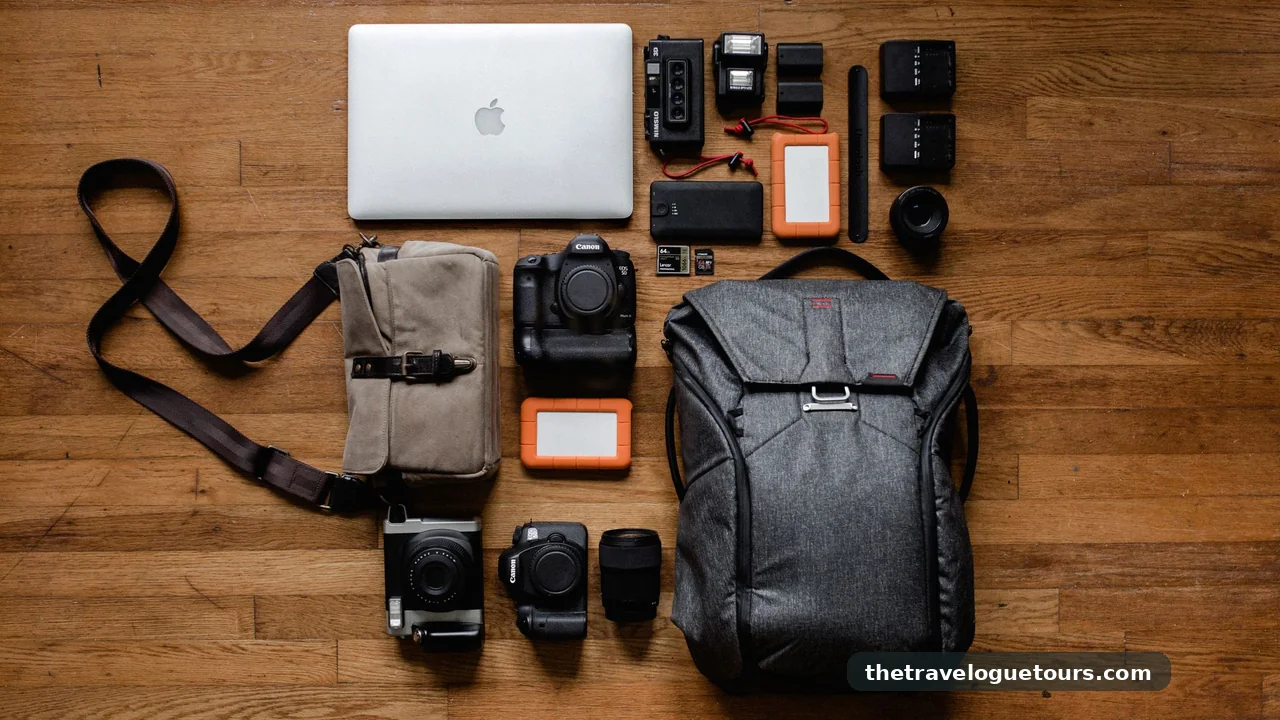
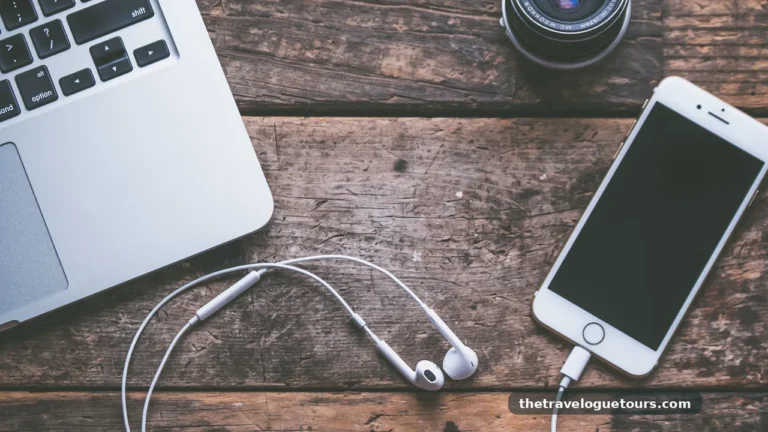
You do not need much, but everything you carry has to work every single day. A reliable laptop with a full day of battery is your office, so it is the one place where buying quality pays off fast. Pair it with noise canceling earbuds, because open dorms and busy cafes are loud in every country on earth.
Pack light enough that moving cities never takes more than an hour of repacking. One carry on sized bag forces honest choices about what earns its place. When everything has a fixed spot, you stop losing adapters in hostel lockers.
Keep a small tech pouch with spare cables, a multi tool, and tiny fixes for your gadgets. When something breaks at the worst moment, this pouch is the difference between a quick fix and a ruined day. Replace anything you use the same week, while the memory is fresh.
A high capacity power bank has saved more deadlines than any app ever will. Add one universal adapter with multiple USB ports, and you will never hunt for a wall socket again. Keep your most useful tools on your phone too, and review this roundup of apps every traveler should have before you pack.
Build three layers of wifi, not one
Never trust a single connection when your income depends on it. Layer one is your primary: a rental or coworking space with fast, verified internet. Read recent reviews for wifi complaints before you book, because hosts rarely test their own upload speed.
Layer two is a local SIM or eSIM with a generous data plan, bought on day one in every new country. Your phone becomes a hotspot, and suddenly cafe wifi is a luxury instead of a lifeline. Check reported internet speeds for your destination on Nomad List before you arrive so there are no surprises.
Layer three is a small portable hotspot device or a second eSIM profile as the emergency parachute. Keep key files available offline too, so a dead zone costs you an hour of peace instead of a lost client. Three layers sounds like overkill until the day two of them fail at once.
Picking the right base city is half the battle, since some places are built for remote workers and others just tolerate them. This roundup of the best countries for digital nomads weighs visa rules, costs, and internet quality together.
Anchor your days or the days will eat you
Freedom without structure turns into chaos within about two weeks. Pick a wake time and keep it sacred across time zones, even when nobody is watching. Do your hardest work in one focused morning block, then give the afternoon to exploring without guilt.
Create a shutdown ritual that tells your brain the workday is over. Close the laptop, change your clothes, and walk somewhere with no screen. Burnout creeps up slowly on the road, so read these long term travel burnout tips and schedule real days off like meetings you cannot cancel.
Health is not a side project
Your body is the one piece of gear you cannot replace abroad. Move every day, even if it is just a twenty minute walk and some stretching in your room. Guard your sleep like a work meeting, because chronic short sleep makes every problem on this list twice as bad.
Get travel health insurance before you leave and actually read what it covers. The CDC travelers health page lists the vaccines and precautions worth checking for each destination. Drink safe water, eat where locals eat, and keep a small kit with the basics for stomach trouble.
Sort money and admin before you leave
Carry two different bank cards from two different banks, kept in two different places. If one gets blocked or eaten by an ATM, you are still fine. Tell your banks your travel plans and keep an emergency fund you never touch for daily spending.
Back up your work to the cloud every single day, automatically if you can. Store copies of your passport, insurance, and bookings where you can reach them from any device. A VPN on public wifi is cheap protection for the accounts your whole life runs on.
Keep a simple log of monthly costs in each place you land. You will quickly learn which cities stretch your income and which quietly drain it. That record becomes your superpower when you choose the next stop.
Set calendar reminders for bill due dates in your home country. Autopay helps, but a quick monthly check catches the things automation misses. Nothing ruins a good week in a new city like a late fee back home.
Boundaries that keep work from eating travel
Decide your working hours in each new time zone and tell your clients and team what they are. Turn off notifications outside those hours, because constant pings will ruin both your focus and your sightseeing. You did not cross an ocean to stare at chat messages on a beach.
Learn to say no to travel FOMO without guilt. You will miss cool trips and sunrise hikes because of work, and that is the trade you signed up for. The travelers who last years instead of weeks are the ones who protect their income first.
Travel tempts you to work from every beautiful place, which quietly means you rest nowhere. Protect at least two full days a week with no laptop at all. Remember this one thing: your system matters more than your destination.
You do not need a perfect plan, you need a repeatable one. Gear, wifi layers, routine anchors, health basics, money sorted, and firm boundaries. Build that system once and the road stops feeling like a gamble with your job.
Digital Nomad FAQ
How fast does my internet need to be for remote work?
For video calls and normal office work, 25 Mbps down and 10 Mbps up is plenty. Test the speed on arrival with a free speed test before you commit to a month somewhere.
What is the single most important piece of digital nomad gear?
A laptop you can trust, full stop. Everything else can be bought, borrowed, or worked around, but a dead laptop ends the trip.
How do digital nomads handle taxes and visas?
It depends on your citizenship and where you earn, so this is one area worth paying a professional for an hour of advice. Many nomads use tourist visas for short stays, but never overstay one.
How do you stay productive with so many distractions?
Keep the same hours, the same morning deep work block, and your phone in another room. Boredom is the secret: when the novelty fades, focus comes back.
Is travel insurance really necessary for digital nomads?
Yes. One hospital visit abroad can cost more than a year of premiums. Get a plan that covers medical emergencies and medical evacuation.


13 Comments