Why Traveling Without a Fixed Plan Can Be the Most Rewarding Way to See the World
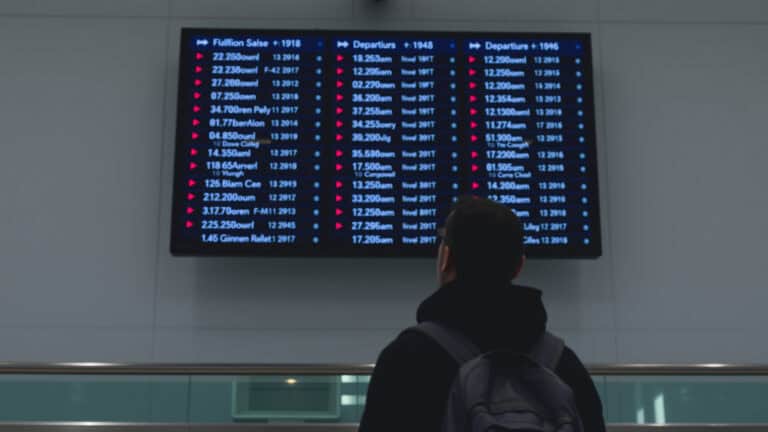
Most travel advice revolves around planning. Detailed itineraries, pre-booked hotels, exact routes, and strict schedules are often presented as the “right” way to travel. While planning has its place, traveling without a fixed plan can unlock experiences that structured trips rarely offer. Flexible travel is not about chaos or irresponsibility. It is about giving yourself space to discover places as they reveal themselves, not as they appear on a checklist.
The Difference Between Being Unprepared and Being Flexible
Traveling without a fixed plan does not mean traveling without preparation. Important things like documents, insurance, basic accommodation for arrival, and safety research should always be handled in advance. Flexibility begins after those essentials are secured. It means not locking every day into a rigid schedule and allowing room for change based on mood, weather, and unexpected opportunities.
Many travelers confuse flexibility with risk. In reality, flexibility often reduces stress because you are not constantly racing against time or feeling guilty for missing something on a schedule.
Why Rigid Itineraries Often Lead to Burnout
Overplanned trips create pressure. When every day is packed with activities, travel becomes performance instead of experience. You stop noticing your surroundings because you are focused on reaching the next stop. This is one of the most common reasons travelers return home exhausted rather than refreshed.
Burnout also leads to poor decisions. Skipping meals, ignoring rest, or rushing transport increases stress and reduces safety. Flexible travel naturally encourages slower days, better pacing, and more meaningful experiences.
Serendipity Is Impossible to Schedule
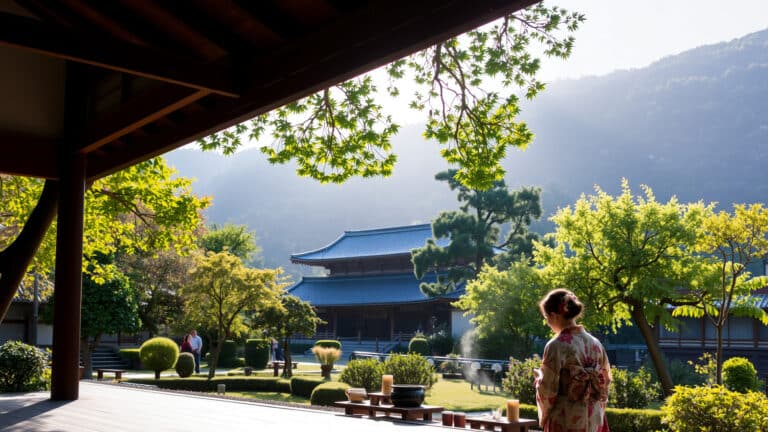
Some of the best travel moments are unplanned. A conversation with a local that leads to a hidden café, a bus delay that introduces you to a small town, or a festival you didn’t know existed until you arrived. These moments rarely happen when every hour is planned.
When your schedule is open, you are more receptive. You notice invitations instead of ignoring them. You stay longer in places that feel right and leave sooner when something doesn’t connect.
Local Recommendations Matter More Than Online Lists
Online guides are useful, but they are limited by popularity. Flexible travel allows you to rely more on local advice than search results. Locals rarely recommend the most crowded attractions first. They suggest everyday places, quiet viewpoints, and seasonal experiences that never appear in standard itineraries.
These recommendations change constantly. A restaurant that was great last year might be closed, while a new place might be thriving. Being flexible allows you to adapt in real time instead of following outdated advice.
You Learn to Read a Place Instead of Rushing Through It
Fixed plans encourage surface-level travel. You see landmarks but miss rhythm. Flexible travel teaches you to read a place. You notice when streets are busiest, when markets come alive, and when neighborhoods slow down. This awareness creates deeper connection and understanding.
Spending extra time in one location often reveals more than visiting five places quickly. Familiarity builds comfort, and comfort leads to confidence.
Budget Benefits Most Travelers Don’t Expect
Many travelers believe flexibility is more expensive. In reality, rigid planning often locks you into peak prices. Flexible travelers can adjust travel days, change routes, and stay longer where accommodation is cheaper.
You also avoid paying for experiences you no longer feel excited about. If a destination doesn’t meet expectations, you move on without forcing value out of prepaid plans.
Flexible Travel Improves Safety
Travelers who are not rushing tend to be more aware. You have time to observe neighborhoods, understand transport systems, and notice when something feels off. This awareness reduces risk more effectively than strict planning.
Flexibility also gives you exit options. If weather changes, transport is disrupted, or a location feels uncomfortable, you can adapt without stress. Safety improves when you are not emotionally tied to a fixed plan.
You Travel With Your Energy, Not Against It
Some days you feel curious and active. Other days you need rest. Fixed itineraries ignore this natural rhythm. Flexible travel respects it. You explore when you feel energized and slow down when you don’t.
This balance prevents decision fatigue and helps you enjoy travel longer without emotional exhaustion.
Cultural Understanding Comes From Time, Not Distance
Visiting many places does not automatically create cultural understanding. Spending time in fewer places does. Flexible travel encourages longer stays, repeated routines, and everyday interactions. Buying groceries, using local transport, and recognizing familiar faces creates a sense of belonging that fast travel never achieves.
This depth changes how you remember a destination. It becomes a lived experience, not a photo album.
The Fear of “Missing Out” Is Often Overrated
Many travelers plan aggressively because they fear missing out. Ironically, this fear creates the least satisfying trips. You rush from highlight to highlight but rarely feel present.
Flexible travel replaces fear with trust. You accept that you cannot see everything, and that is okay. What you experience fully becomes more valuable than what you skip.
Technology Makes Flexible Travel Easier Than Ever
Modern travel tools support flexibility. Accommodation apps, transport booking platforms, offline maps, and translation tools allow travelers to make decisions on the go. You no longer need to lock plans weeks in advance to feel secure.
This technology removes much of the risk that once made flexible travel intimidating.
When Fixed Plans Still Make Sense
Flexibility does not mean avoiding structure entirely. Some situations benefit from planning, such as limited-availability attractions, visa restrictions, or peak-season travel. The key is balance. Plan what must be planned, and leave the rest open.
A loose framework is more powerful than a strict schedule.
Who Benefits Most From Flexible Travel
Flexible travel suits solo travelers, long-term travelers, digital nomads, and anyone seeking deeper experiences. It is also ideal for travelers who value connection over consumption and memory over movement.
Even short trips benefit from flexibility. Leaving just one day unplanned can change how the entire journey feels.
Final Thoughts
Traveling without a fixed plan is not about rejecting preparation. It is about reclaiming curiosity, presence, and freedom. When you let go of rigid schedules, you gain the ability to respond to the world as it is, not as you imagined it would be. The most rewarding travel experiences often begin when the plan ends.