
7 Lesser Known European Cities to Visit Before Everyone Else
Done with the crowds in Paris, Rome, and Barcelona? These 7 lesser known European cities, from Ljubljana to Tallinn, still feel like secrets. What to see, what to eat, and the best time to go.
Europe Still Has Quiet Corners
You have done Paris, Rome, and Barcelona, and you are done with the crowds. The queues at the big sights, the menus priced for tourists, the feeling that you are watching a city perform instead of living in it. This list is for exactly that version of you.
There are still European cities where the old town belongs to the people who live there. Where you can get a riverside table without a reservation and a museum without a timed entry slot. Here are seven of them, each in a different country, each with its own reason to visit before the secret gets out.
Before you pick one, browse the official visitor guide for Ljubljana. It is a good example of how these smaller cities present themselves: honest seasons, real events, no hype.
Ljubljana, Slovenia: The Green Capital That Feels Like a Village
Ljubljana is one of Europe’s smallest and greenest capitals, and it behaves like a friendly town rather than a capital. The car-free old town wraps around the Ljubljanica River, where cafe terraces crowd the embankments from morning coffee to late wine.
Walk up to Ljubljana Castle for the view, then come down for the details: the Triple Bridge, the Dragon Bridge, and the Central Market where locals actually shop. In summer, the Open Kitchen food market turns the square into an open-air tasting menu of Slovenian cooking.
Eat like a local: idrijski zlikrofi (small potato dumplings), kranjska sausage, and a slice of potica nut roll. Drink Slovenian wine, which rarely leaves the country and is better than its fame suggests.
Best time to go is May and June, or September, when the terraces are full but the city is calm. Winter is quiet and pretty, but some river boats stop running.
Plovdiv, Bulgaria: One of Europe’s Oldest Living Cities
Plovdiv has been continuously inhabited for around 6,000 years, which makes it one of the oldest living cities in Europe. The old town sits on three hills, with colorful 19th-century houses leaning over cobbled lanes.
The Roman amphitheater is not a ruin behind glass. It still hosts concerts and plays, and sitting on 2,000-year-old stone seats at sunset is the kind of moment big cities cannot sell you. The Kapana district below fills the gap with galleries, craft beer bars, and street art.
Eat banitsa for breakfast, shopska salad with everything, and kavarma stew when the evenings turn cool. Bulgarian wine is excellent and cheap, especially the local Mavrud red.
Best time to go is April to June or September to October. Summers are hot, and the hills are steep, so spring and autumn walking weather wins.
Ghent, Belgium: The Canal City Without the Bruges Crowds
Bruges gets the day trippers. Ghent gets the travelers who stay. The Graslei and Korenlei quays are as pretty as any canal view in Belgium, and you can actually sit by the water without elbowing through a crowd.
Climb the Gravensteen, the 12th-century castle of the counts, for the full medieval picture. Then walk to St. Bavo’s Cathedral to see the Ghent Altarpiece, one of the most important paintings in European art history.
Eat waterzooi, the creamy chicken or fish stew, and stoofvlees, beef braised in beer. Save room for cuberdon, the cone-shaped raspberry candies sold from street carts, and drink a local tripel in a brown cafe.
Best time to go is May to September. July brings the Gentse Feesten, ten days of free concerts and street parties, so book ahead if you go then.
Tallinn, Estonia: A Medieval Old Town That Time Kept
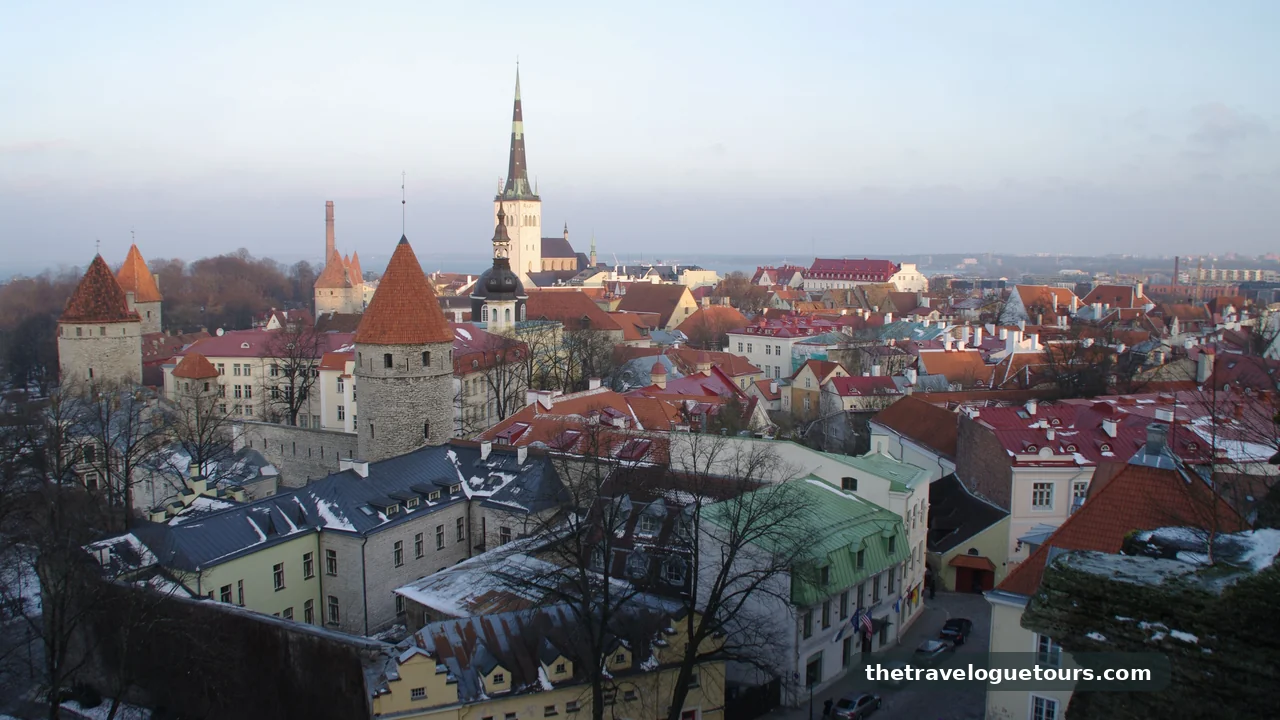
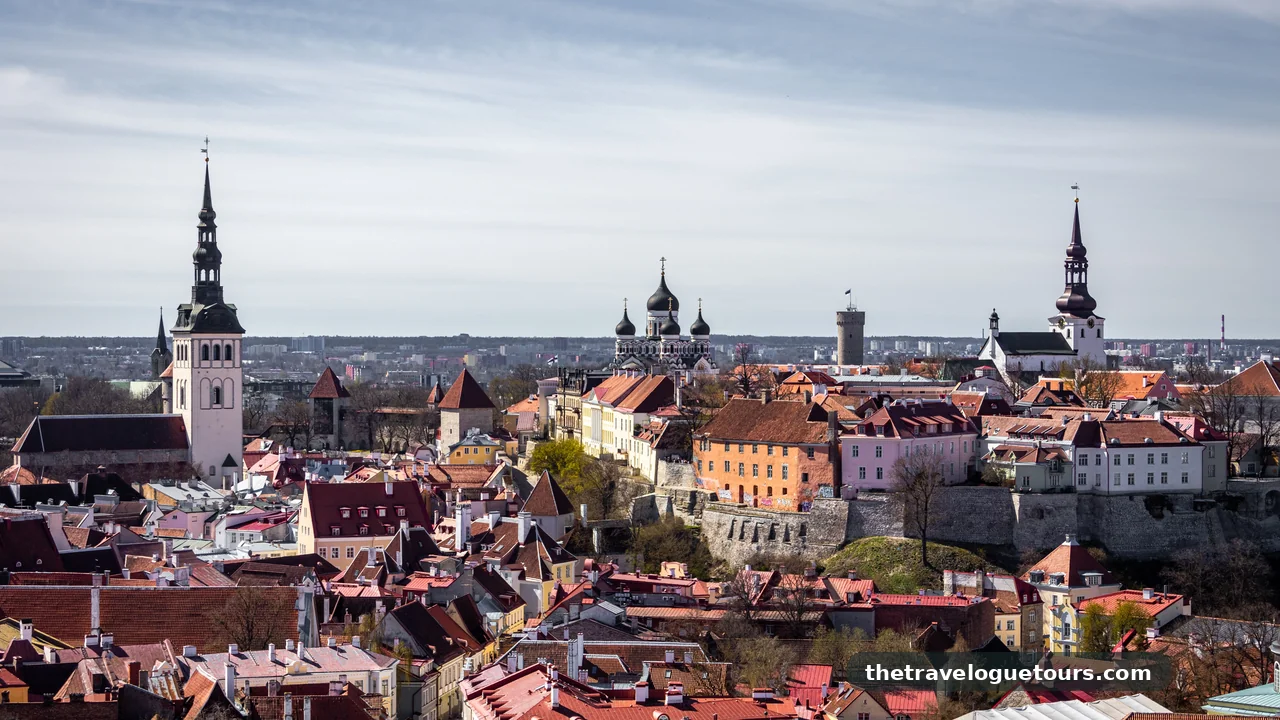
Tallinn’s old town is one of the best-preserved medieval centers in Europe, ringed by walls and towers that look straight out of a storybook. Climb Toompea Hill for the postcard view over the red rooftops, then get lost in the lower town’s cobbled lanes.
Visit the Alexander Nevsky Cathedral, St. Olaf’s church, and the Town Hall Square, where the Christmas market is among the best in Europe. The official visitor site lists seasonal events and walking tours worth booking ahead.
Eat dark rye bread with everything, smoked sprats, and kama, the traditional grain dessert. Try elk or wild boar at a medieval-style tavern, and warm up with Vana Tallinn liqueur.
Best time to go is June to August for the white nights and cafe weather. December is magical for the Christmas market, but pack for real cold.
Timisoara, Romania: The Little Vienna of the East
Timisoara earned its nickname from elegant Habsburg architecture and a cafe culture that feels straight out of Vienna, at Romanian prices. Three linked squares, Piata Victoriei, Piata Libertatii, and Piata Unirii, form a pastel-colored old town made for slow walks.
This was the first city in Europe with electric street lighting, and the innovation streak shows in its museums and festivals. As a recent European Capital of Culture, it kept a packed calendar of exhibitions and concerts.
Eat sarmale (cabbage rolls), mici (grilled meat rolls), and papanasi, the fried doughnut with sour cream and jam. The Bega riverfront has the city’s best terrace dining.
Best time to go is May and June or September, when the squares are lively and the heat is kind. It pairs well with a wider Romania trip.
Bilbao, Spain: The Guggenheim City Beyond the Museum
Everyone knows the Guggenheim Bilbao, but the city around it is the real find. The Casco Viejo, the old town, is a tight grid of lanes packed with pintxos bars, and the riverside has been transformed from industrial to elegant.
Ride the Artxanda funicular for the city view, browse the Ribera covered market, and walk the river to the museum even if modern art is not your thing. The building alone is worth the trip.
Eat pintxos, the Basque answer to tapas, bar hopping from one specialty to the next. Try bacalao al pil pil and txakoli, the lightly sparkling local white wine poured from a height.
Best time to go is May and June or September and October. August brings the Semana Grande festival, which is fun but busy and pricey.
Aarhus, Denmark: Scandinavia Without the Big City Prices
Aarhus is Denmark’s second city, a university town with a harbor, a Latin Quarter of crooked old streets, and none of Copenhagen’s prices or crowds. It feels young, creative, and easy to explore on foot or by bike.
Do not miss ARoS, the art museum with the rainbow panorama walkway circling the roof. Den Gamle By, the open-air old town museum, rebuilds Danish street life across three centuries.
Eat smorrebrod, the open-faced sandwiches, at a traditional lunch spot, and try the new Nordic restaurants that cost half of Copenhagen’s. Danish pastries here are not a tourist thing; they are breakfast.
Best time to go is June to August, when the harbor baths are open and the days are long. Winter is hygge season, but daylight is short.
Plan Your Trip Around the Trains
These seven cities connect beautifully by rail, which is half the pleasure of a trip like this. Our guide to traveling Europe by train covers passes, night trains, and booking tricks that keep costs down.
For timing and budgets across the continent, read our best time to visit Europe by season and budget before you book flights. Shoulder season, May to June and September to October, is the sweet spot for almost every city on this list.
Europe is generally very safe for travelers, and these smaller cities feel calmer than the big capitals. Still, read travel insurance explained for beginners so you are covered for the boring stuff like delays and lost bags.
Lesser Known Cities in Europe FAQ
When is the best time to visit these lesser-known cities in Europe?
May to June and September to October suit almost all seven. You get warm weather, open terraces, and far fewer visitors than the summer peak.
Is it safe to travel to Europe now?
Yes, these cities are among the safest places to visit in Europe, with low crime and calm streets. Use the same common sense you would at home: watch your bag in busy stations and keep valuables out of sight.
How many days do I need in each city?
Two to three full days is the sweet spot for most of these cities. That is enough for the old town, the main sights, and one slow day of cafe sitting.
Are these cities cheaper than Paris or Rome?
Yes, noticeably. Hotels, meals, and museum tickets in Plovdiv, Timisoara, and even Tallinn cost a fraction of western European capitals. Ghent, Bilbao, and Aarhus are mid-range, still well below Paris prices.
Which of the 7 cities should I visit first?
Ljubljana if you want easy and charming, Tallinn if you love medieval atmosphere, Bilbao if food is your priority. Pick the one that matches your travel style and go from there.
Seven cities, seven countries, and not a single hour spent in a two-hour queue. Pick the one that pulls at you most, and go while the secret is still a secret: Europe’s quiet corners will not stay quiet forever.
Book the flight, learn ten words of the local language, and leave room in your bag for the things you cannot plan. That is how the best trips happen.





One Comment