
Japan Beyond the Tourist Trail
A local-style Japan guide for first-time visitors: Kyoto at dawn, Tokyo’s old neighborhoods, sento baths, salaryman food, trains, and the small manners that matter.
You Are Six Weeks Away From the Real Japan
Your flight to Japan leaves in six weeks, and one worry keeps nagging you. You will queue at the same famous sights as everyone else, take the same photos, and fly home feeling you never met the real country.
That worry is honest, and it is also easy to fix. The real Japan is not hidden behind secret doors. It wakes up earlier, eats in different places, and moves at a slower pace than the tour buses ever allow.
This guide is built for exactly your trip: Kyoto’s temples at dawn, Tokyo’s old backstreets after dark, and the small rituals that make you feel like a temporary local. Before you plan the details, spend an evening on the official Japan travel site, which keeps current entry rules, seasonal highlights, and transport passes in one reliable place.
Start at Dawn in Kyoto
Set one alarm you will not regret: 5 am in Kyoto. Fushimi Inari’s thousand vermilion gates at sunrise belong to joggers, early worshippers, and a few resident cats.
By 9 am the same stone path is a slow-moving queue. Walk the upper mountain trails in near silence instead, while the day crowds are still lining up for matcha lattes on the approach road.
The dawn trick works everywhere. Kinkaku-ji’s golden pavilion opens at 9, so arrive twenty minutes early and walk straight to the pond viewpoint. Evening light is beautiful, but the morning is yours alone.
Mornings Belong to Kyoto Locals
After the early temple, do what retired Kyoto residents do. Find a kissaten, the old-fashioned coffee houses that serve thick toast sets and careful pour-over coffee to a room full of locals reading newspapers.
Then wander a shotengai, the covered shopping street of a real neighborhood like Nishijin. You will pass tofu shops run by the fifth generation of one family, and eat lunch for the price of a bus ticket.
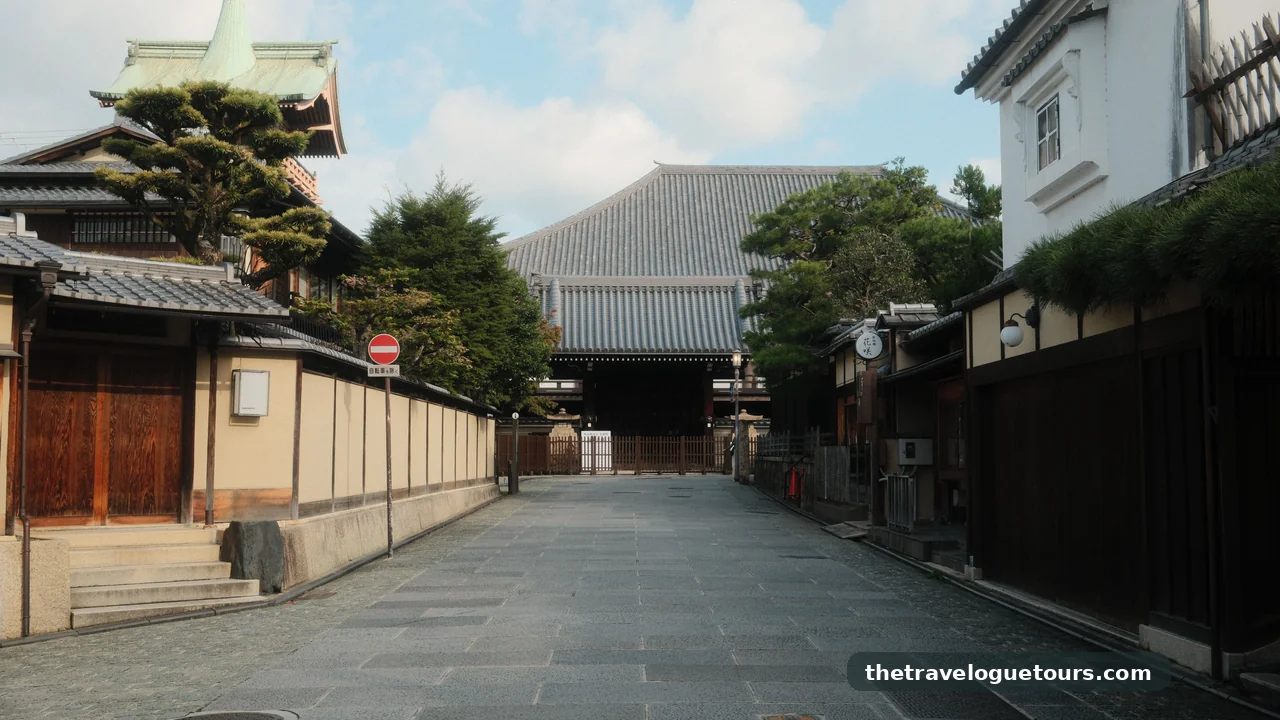
The back lanes of Higashiyama reward slow walkers too. Everyone queues for the famous pagoda photograph, but one lane over there are wooden machiya townhouses, tiny shrines, and not a single selfie stick.
Take an Evening Bath Like a Neighbor
A sento is the neighborhood public bath, and it may be Japan’s most underrated evening ritual. For a few hundred yen you get deep hot tubs, a sauna, and a wall painted with Mount Fuji or cherry blossoms.
Wash and rinse thoroughly before you enter any tub, keep your small towel out of the water, and check the tattoo policy at the door since rules vary by bath. Hot spring onsen follow the same customs with one addition, and our onsen etiquette guide walks you through every step so you arrive confident instead of confused.
Ride the Trains Like a Commuter
Buy an IC card the moment you land, Suica or Pasmo, and tap it for everything: trains, buses, even convenience stores. It is the single purchase that makes you feel like you live here.
The shinkansen from Kyoto to Tokyo takes just over two hours and runs with impossible precision. Whether a national rail pass pays for itself depends on your exact route, and our Japan Rail Pass versus individual tickets breakdown runs the math for the most common itineraries.
On local trains, do what Tokyo commuters do. Stay quiet, keep your bag off the seat, and step aside at stations so passengers can exit first. Silence on the train is a small courtesy that marks you as someone paying attention.
Tokyo Beyond the Famous Crossing
Shibuya’s scramble crossing is worth ten minutes of your trip. Then leave, because the Tokyo that locals love lives in the shitamachi, the old low city of Yanaka’s cemetery paths, Nezu Shrine’s azalea slope, and sento-lined lanes.
In these neighborhoods nobody is performing Japan for visitors. Shopkeepers greet you out of habit, cats run the alleys, and the pace slows down to something human.
Pick one neighborhood and walk it with no plan at all. That single afternoon will teach you more about Tokyo than three days of famous viewpoints. For route ideas and seasonal timing, the Japan National Tourism Organization publishes honest regional guides on its official English site.
Eat Where the Salarymen Eat
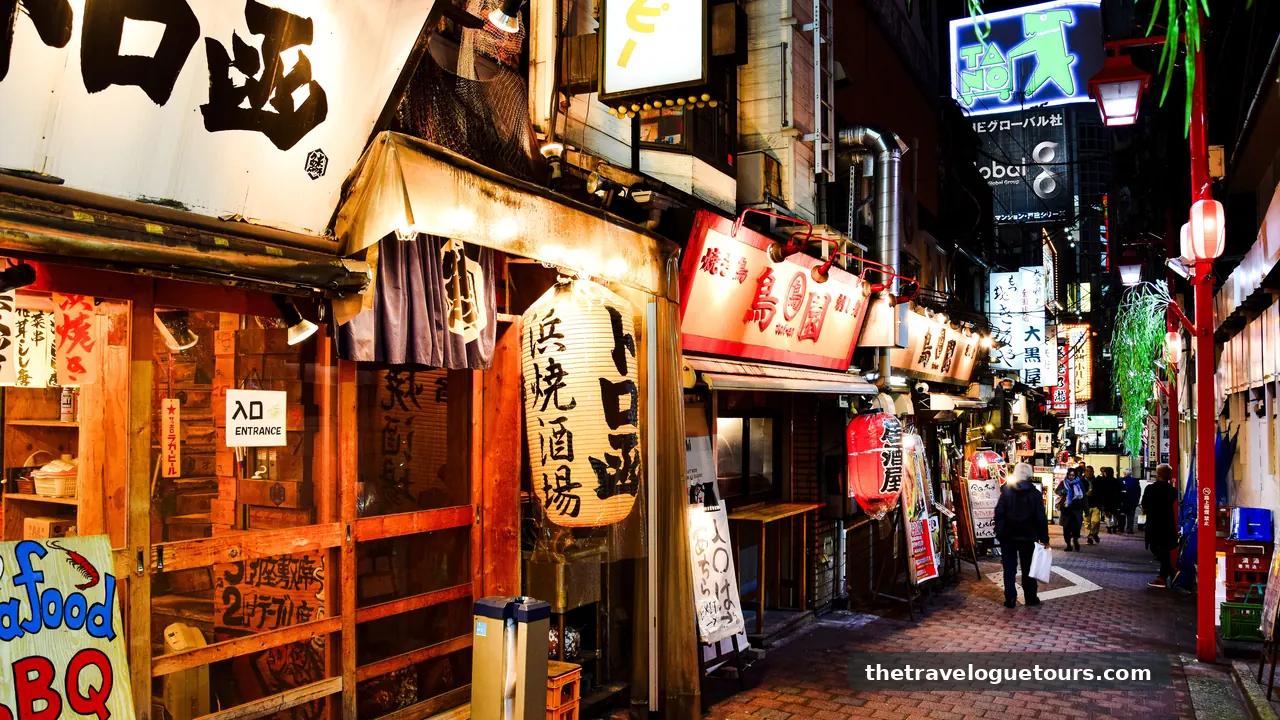
Skip any restaurant with a big English menu board out front. The best cheap meals in Japan hide in places with no English at all: standing sushi counters, basement ramen shops, and tachinomi standing bars under the railway tracks.
Ordering is easier than you fear. Point at the plastic food models in the window, use the ticket machine by the door, or show a photo on your phone. Japanese hospitality meets your effort halfway, and that effort earns a warmth no phrasebook can buy.
If the language barrier still worries you, our guide to traveling without speaking the language covers gestures, translation apps, and the few polite phrases that open doors all over Japan.
And never ignore the konbini. Japan’s convenience stores sell onigiri, egg sandwiches, and hot coffee that would embarrass a cafe back home. A 500 yen breakfast eaten in a park at dawn is a legitimate peak Japan moment.
Sleep Somewhere With Character
You do not need a luxury ryokan to sleep like a local. A business hotel near the station gives you a spotless tiny room, a proper Japanese breakfast option, and a front desk that has answered every foreigner question twice.
For one special night, try a machiya guesthouse in Kyoto: a renovated wooden townhouse with tatami rooms and a tiny garden. You will hear the neighborhood wake up, and it costs less than a chain hotel.
Book the machiya early, because the good small ones fill up fast. Business hotels rarely sell out, which makes them the perfect flexible base for your Tokyo nights.
The Small Manners That Matter
Japan runs on small courtesies. Carry your trash until you find a bin, because public bins are rare, and eat standing near the stall where you bought your food instead of walking and eating.
Take cash, especially outside Tokyo. Cards work in the big cities, but rural temples, tiny ramen shops, and many shrines are cash only, and the 7-Eleven ATM network accepts foreign cards everywhere.
Bow slightly when you thank someone. You do not need to do it perfectly. Japan notices effort far more than fluency, and a small bow says you are trying.
Japan Like a Local FAQ
How many days do I need to experience Japan like a local?
Seven to ten days is the sweet spot: four or five in Kyoto and four in Tokyo, with the shinkansen ride between them. Less than a week forces you back into the tourist sprint, while extra days let you add a small town like Kanazawa or Takayama.
Is it rude to eat while walking in Japan?
Yes, it is considered impolite in most places. The custom is to eat standing near the stall or shop where you bought the food, or to sit down somewhere proper. Parks, trains, and temple grounds are not dining rooms.
Do I need to carry cash in Japan?
Yes, carry a reasonable amount, especially outside the big cities. Credit cards work in most Tokyo and Osaka businesses, but small restaurants, rural temples, shrines, and local buses are often cash only. ATMs at 7-Eleven stores accept foreign cards nationwide.
Is the Japan Rail Pass still worth it?
It depends on your exact route. For a simple Tokyo to Kyoto round trip, individual tickets can now cost less than the nationwide pass. Compare the pass price against single tickets for your full itinerary before you buy.
Can I visit Japan without speaking Japanese?
Absolutely. Signs in major stations and airports are in English, translation apps handle menus, and polite pointing works everywhere. Learn a few basic phrases, especially thank you and excuse me, and you will get by warmly.
Six weeks from now you will step off the plane into the morning rush at the station. Travel slow, rise early, and eat where the locals eat. The tourist version of Japan is optional, and the real one is already waiting.
Start with Kyoto at dawn, end your nights in a sento, and let Tokyo’s backstreets surprise you. That is the Japan you have been dreaming about, and it has been there all along.



6 Comments