
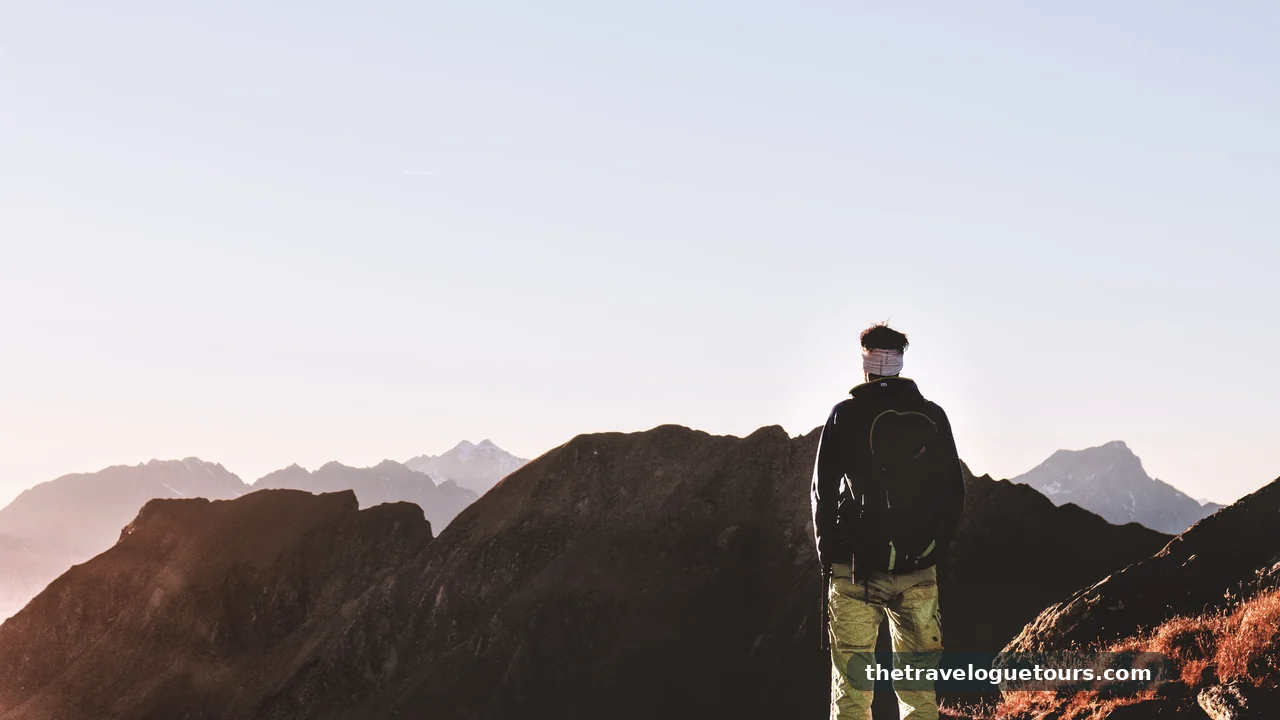
10 Hiking Trails That Live Up to the Hype
Ten legendary hiking trails ranked from realistic to ambitious, with honest advice for weekend hikers dreaming of their first multi-day trek.
Your Bucket List Starts Here
You hike most weekends, and you already know the feeling of a trail that delivers more than the photos promised. Now you are wondering which of the world’s famous treks you could actually do, and which ones belong on a dream list for later.
These ten trails run from realistic first big treks to genuine legends, and each one tells you honestly what it takes. If you want them ranked by difficulty, our guide to the top 10 hiking trails for beginners and experts grades them for your current level.
No vague superlatives here, just the facts you need to pick your first big one. Start with the honest fitness you have, not the fantasy fitness you hope for.
10 Trails Worth the Effort
1. Inca Trail, Peru
The Inca Trail is the four day walk that ends at Machu Picchu through the Sun Gate at dawn. You cover 42 kilometres of stone steps, high passes, and cloud forest before the ruins appear. It is crowded, regulated, and still worth every step.
Book through a licensed operator about six months out, because permits are capped and sell fast. The Historic Sanctuary of Machu Picchu is a UNESCO World Heritage site, and the official listing explains what makes the destination at the end so special.
2. Tour du Mont Blanc, France, Italy and Switzerland
This is the classic hut to hut walk around Western Europe’s highest peak, about 170 kilometres over ten days. You sleep in mountain refuges, eat on sunny terraces, and never carry more than a daypack. It is the friendliest first multi day trek on this list.
Book refuges months ahead for July and August, or walk the quieter June and September shoulders instead. The trail is well marked the whole way, so navigation stress is close to zero.
3. Torres del Paine W Trek, Chile
Patagonia’s famous W route strings together grey glaciers, turquoise lakes, and the granite towers at its centre. The five day trek is exposed and windy, but the trails are well marked and the camps are comfortable.
Book campsites and refugios far ahead, since park rules now require reservations for every night. Weather can swing through four seasons in a single afternoon, so pack real layers.
4. Everest Base Camp, Nepal
The trek to Everest Base Camp is the most famous mountain walk on earth, and it is a trek, not a climb. You reach 5,364 metres over roughly twelve days with rest stops built in, and teahouses handle food and beds along the whole route.
Altitude is the only real enemy here, so walk slow and take the acclimatisation days seriously. The flight into Lukla is half the adventure, and the other half starts on foot.
5. Tongariro Alpine Crossing, New Zealand
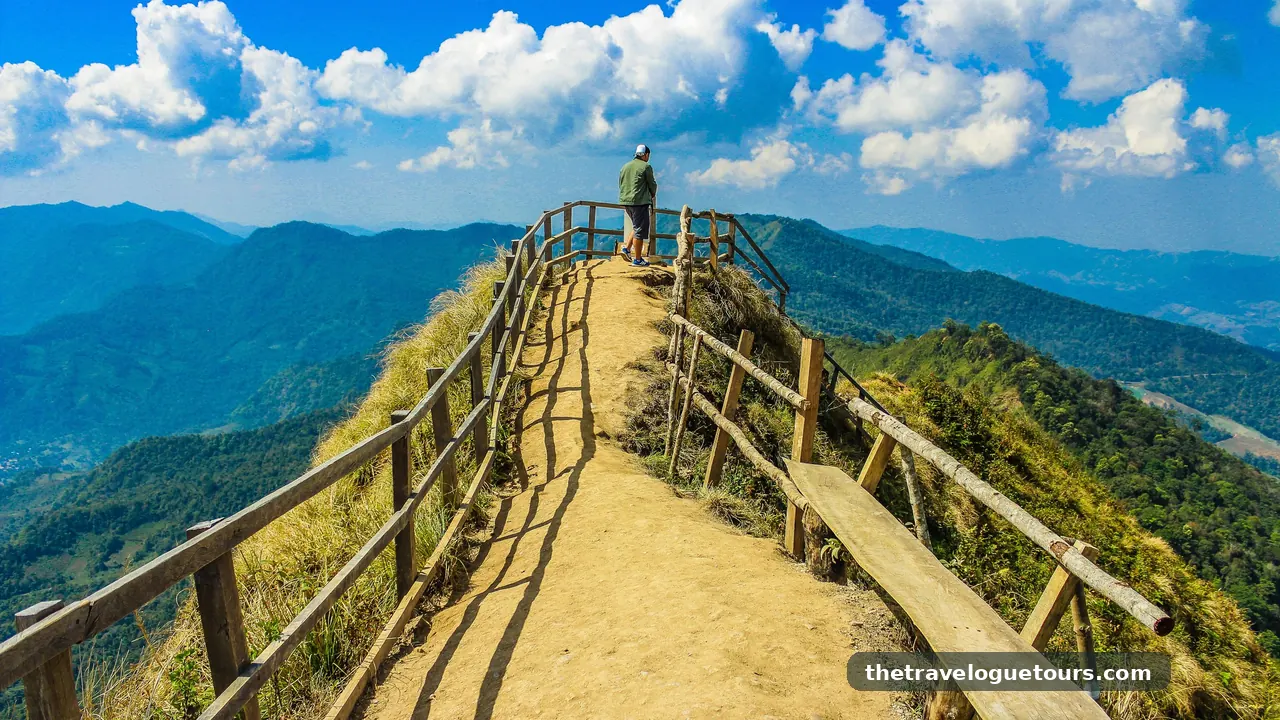
This is one of the best one day walks in the world, across an active volcanic landscape of craters and emerald lakes. It is 19.4 kilometres point to point, and fit weekend hikers finish it in seven to nine hours.
Check the official Tongariro Alpine Crossing track page for current conditions and shuttle bookings before you go. Start early to beat the crowds and the midday wind.
6. Annapurna Circuit, Nepal
The Annapurna Circuit is the grand tour of the Himalayas, crossing the 5,416 metre Thorong La pass. Roads have shortened it over the years, but the core twelve to fifteen days of walking are still spectacular.
This is a step up from Everest Base Camp in remoteness and self reliance. Walk it after one or two shorter treks, not as your first big expedition.
7. Milford Track, New Zealand
New Zealand calls this the finest walk in the world, a four day trail through Fiordland’s waterfalls and hanging valleys. The great walk season runs on huts and bookings from October to April, with independent walking possible outside it.
Book the hut system almost a year ahead for the peak season, because spots vanish fast. It rains a lot here, and that rain is exactly what makes the waterfalls so dramatic.
8. Mount Kilimanjaro, Tanzania
Kilimanjaro is the highest free standing mountain in the world, and the Lemosho route spreads the climb over seven to eight days. You walk from rainforest to arctic desert with no technical climbing at all.
Summit success is mostly about pace and extra acclimatisation days. Do not skimp on the longer route just to save money, because the longer route is what gets you to the top.
9. Laugavegur Trail, Iceland
Iceland’s Laugavegur runs 55 kilometres from Landmannalaugar to Thorsmork through neon green mountains and black deserts. You do it in four days, soaking in hot springs between stages.
The weather is the boss here, and the river crossings are real. Guided groups make this one much easier for a first timer, and the huts need booking ahead.
10. Camino Frances, Spain
The Camino Frances is the famous 800 kilometre pilgrimage walk across northern Spain to Santiago de Compostela. You do not have to do it all at once, since most walkers start with the final 100 kilometres from Sarria.
That final stretch takes about five days and earns you the compostela certificate at the end. It is the cheapest and most social trail on this list, with new friends at every dinner table.
How to Pick Your First Big Trek
Match the trail to your honest fitness, not your fantasy fitness. A trail you finish with a smile beats a legend you abandon on day three.
Pacing matters on and off the trail, and rest days are sacred. Our guide on how to travel long term without burning out explains why, and the same logic applies to a twelve day trek.
Start with something under five days in good weather, like Tongariro, the Inca Trail, or Milford. If you love that, come back for the two week monsters.
Hiking Trails FAQ
What is the easiest bucket list hiking trail for a first timer?
The Tour du Mont Blanc and the Tongariro Alpine Crossing are the gentlest legends here. Both need fitness but no technical skills, and refuges or day trip logistics keep things simple.
How fit do I need to be for the Inca Trail?
Weekend hiker fit is enough. Train on hills and stairs for two months, walk at your own pace, and the four day schedule does the rest. Altitude is the only real wildcard.
Do I need a guide for these trails?
The Inca Trail, Kilimanjaro, and Everest Base Camp require or strongly recommend one. The Tour du Mont Blanc, the Camino, and Tongariro are easily done self guided.
When should I book permits and huts?
Inca Trail permits sell out six months ahead, and Milford huts almost a year out. For everything else, three to six months is comfortable, with last minute spots possible in the shoulder season.
What is the cheapest trail on this list?
The Camino Frances. Albergues cost under 15 euros a night, and the pilgrim menu keeps you fed cheaply. You can walk a week in Spain for less than two days on some Himalayan treks.
Ten trails, one rule: the best trek is the one you actually finish with a grin on your face.
Pick the one that matches your fitness and your calendar. Book the permit, train the hills, and run through our travel essentials you should never forget before you fly. Then go.
The legends have waited this long, and they will not disappoint.

7 Comments