
January: Cold Weather, Fewer Crowds, and Cultural Experiences
I have visited Japan in almost every season now, and I can tell you this: there is no bad month,…
I have visited Japan in almost every season now, and I can tell you this: there is no bad month, only different Japans. Winter brings powder snow and steaming onsen; spring brings the famous blossoms; summer brings festivals; autumn brings fire-colored maples.
This month-by-month guide shares what each season actually feels like, with my personal highlights and hard-won tips. If you are still deciding between destinations, my best time to visit Europe guide covers the other side of the world.
January: quiet winter and New Year traditions
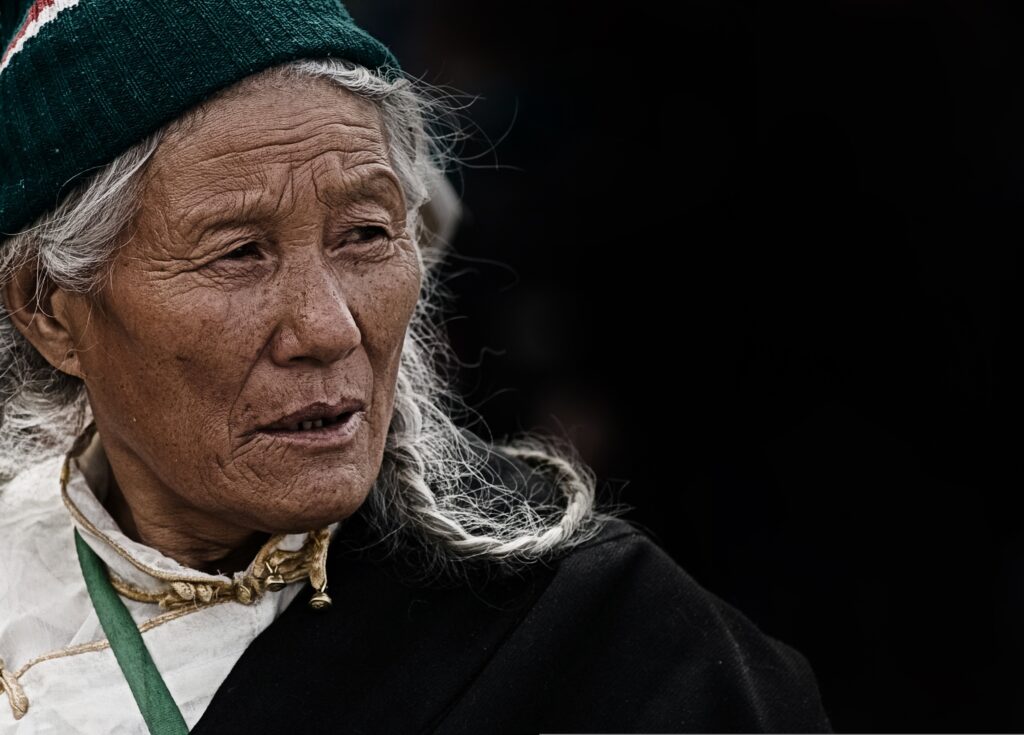
January is one of the quietest months to visit Japan. After the New Year rush fades, tourist traffic drops sharply, and you get famous sights in Tokyo and Kyoto without the crowds.
It is cold: Tokyo hovers between 1 and 10 degrees, while Hokkaido buries itself in snow. For winter lovers, it is perfect.
Hatsumode, the first shrine visit
Early January belongs to Hatsumode, the year’s first shrine visit. Locals crowd temples to pray for good fortune and buy lucky charms. Joining in feels like being let in on something genuine.
Where to go in January
Hokkaido is the star: Niseko’s powder is world-famous for a reason. Kyoto and Tokyo, meanwhile, are peaceful and wonderfully local in feel.
For more cold-weather ideas, my best winter destinations on a budget has plenty.
January tips
Layer up: indoors is toasty, outdoors is not. Book ahead for the first week of the month, when New Year travel still clogs hotels.
February: snow festivals and peak winter
February doubles down on winter and adds festivals. It is one of the most visually stunning months in Japan.
Temperatures run from minus 5 to 8 degrees. The north is deep in ski season; central Japan mixes snow scenery with easy travel.
Sapporo Snow Festival
This is February’s headline act. Massive snow and ice sculptures take over Sapporo for a week. Check dates and details on the official Sapporo Snow Festival site.
Winter-only experiences
Shirakawa-go’s thatched farmhouses under snow look unreal. In Nagano, snow monkeys soak in hot springs while snow falls around them.
February tips
Festivals fill hotels fast, so book early. Pack waterproof boots and keep plans flexible around snow.
March: winter loosens its grip
March is the in-between month: milder days, the first blossoms, and a mix of two seasons in one trip.
Expect 5 to 15 degrees in most regions. The south starts blooming while the north still skis.
Sakura season begins
Late March brings the first cherry blossoms to Kyushu and Tokyo. Parks turn softly pink, and the whole country starts buzzing with hanami anticipation.
Where to go in March
Tokyo, Osaka, and Kyoto for early blossoms; Hokkaido if you want one last taste of winter. Two seasons, one trip.
March tips
Book accommodation early in the big cities. Pack layers for swings between chilly mornings and mild afternoons.
April: cherry blossoms at full glory
April is the classic Japan month. Full-bloom sakura, mild weather between 10 and 20 degrees, and hanami picnics everywhere.
Sakura in full bloom
Early to mid-April is peak bloom in Tokyo, Kyoto, and Osaka. Petals drift over riversides and temple grounds. It lives up to the hype.
Crowds and prices
This is also peak tourist season. Expect crowds and high hotel prices. Go early in the morning to famous spots.
April tips
Book flights and hotels months ahead. The Japan National Tourism Organization publishes blossom forecasts to help you time it.
May: lovely weather, Golden Week chaos
May has some of Japan’s best weather: clear skies, 15 to 25 degrees, and fresh green everything.
Golden Week crowds
The first week of May is Golden Week, a cluster of national holidays. Domestic travel explodes, and prices follow.
After the rush
Mid to late May is wonderful: relaxed cities, blooming gardens, and great hiking in the Japanese Alps.
May tips
Simply avoid Golden Week. The weeks after it give you the same weather with half the crowds.
June: rainy season bargains
June brings the rainy season and, with it, fewer tourists and lower prices.
It is warm and humid (20 to 27 degrees), and the rain makes gardens and temples glow green. Hydrangeas bloom everywhere.
Why June works
Empty temples, misty gardens, and a slower pace. If you do not mind rain, it is a peaceful month.
June tips
Carry a compact umbrella and plan indoor alternatives. Waterproof shoes are non-negotiable.
July: festivals and heat
July is hot, often above 30 degrees in cities, but festival season makes it electric.
Festival season
Kyoto’s Gion Matsuri is the big one: parades, street food, and centuries of tradition. Summer festivals light up the whole country.
July tips
Do sights early morning or evening, hydrate constantly, and wear the lightest clothes you own.
August: fireworks and peak summer
August is Japan’s hottest month, but also one of its most festive. Hanabi fireworks festivals explode across the country.
Fireworks and festivals
Hanabi shows draw huge happy crowds. It is loud, joyful, and deeply Japanese summer.
August tips
Skip midday sightseeing. Evenings and air-conditioned museums are your friends.
September: summer fades, autumn approaches
September cools down gradually, though early in the month can still be hot. Crowds thin and prices drop.
Changing scenery
Northern regions show the first autumn colors. It is a calm, affordable shoulder month.
September tips
Watch for typhoons: check the Japan Meteorological Agency forecasts and keep plans flexible.
October: autumn colors begin
October might be my favorite month in Japan. Mild weather, clear skies, and the first red maples.
Best of October
Kyoto’s temples framed by autumn leaves are unforgettable. Hiking is at its best.
October tips
Book ahead: this is a popular month. For getting around, my Japan Rail Pass comparison will save you money.
November: peak autumn foliage
November is autumn’s grand finale: 10 to 18 degrees and landscapes on fire with color.
Fall colors at their best
Parks, temples, and mountainsides glow red and gold. It is the most photogenic month of the year.
November tips
Leaf season draws crowds, so plan early. Weekday visits to famous spots help.
December: illuminations and winter’s return
December brings cold, illuminations, and a festive buzz. Central Japan runs 5 to 12 degrees.
Winter illuminations
Cities light up spectacularly. Christmas here is more romantic lights than traditional holiday, and it is charming.
December tips
Travel early in the month for calm; late December gets busy with New Year preparations.
Final thoughts
There is no single best month to visit Japan, only the best month for what you want. Spring and autumn deliver natural beauty; winter and summer deliver culture and festivals.
Pick the Japan you want to meet, and go. Every month shows you a different country.




7 Comments