
The Best Time to Visit Europe by Season and Budget
A season by season guide to the best time to visit Europe, with honest weather, crowd, and budget advice for spring, summer, autumn, and winter trips.

You have saved for months, maybe a whole year, and now you are staring at a calendar trying to decide when to finally fly to Europe. Every blog seems to shout a different answer, and the prices swing wildly from one month to the next. Here is the honest truth: the best time to visit Europe depends on what you want from the trip, and once you understand the seasons, the choice becomes easy.
Europe is not one weather system, one price level, or one crowd calendar. A sunny May morning in Lisbon looks nothing like a snowy January in Prague, and what you pay for a hotel in Rome in August can be double what you pay in November. This guide breaks the year into four clear seasons so you can match your trip to your budget and your travel style.
Whether you want the cheapest possible getaway, the warmest beach days, or that golden window when crowds thin and prices drop, there is a perfect month with your name on it. Let us walk through them one by one, so you can book with total confidence.
Spring, March to May: The Value Season
Spring might be the smartest season to visit Europe, because you get pleasant weather at prices that have not yet exploded. Wildflowers carpet the countryside in places like Provence and Tuscany, cafe terraces reopen across Paris and Barcelona, and the crowds of summer are still weeks away.
Expect daytime temperatures in the 60s across much of southern Europe, cooler in the north, with rain still possible in March and early April. Pack layers and a light rain jacket, and you will be comfortable almost everywhere from Madrid to Vienna. For help picking a country that shines in these months, our guide to choosing your destination by season walks through the best spring bets.
Hotel and flight prices sit at their most reasonable outside of winter, and popular sights often have no lines at all. Easter week is the one spring exception, when prices and crowds spike across Spain, Italy, and France, so plan around it. Our money saving flight strategies show how to hunt the cheapest spring fares.
Summer, June to August: Peak Season at Full Price
Summer is when Europe is at its most alive, and its most expensive. Long sunny days, festivals in every city, and the Mediterranean at its warmest pull in the biggest crowds of the year. If your dates are fixed, you can still love summer, but you need a strategy.
Book accommodation three to six months ahead, because the best value hotels sell out first in cities like Paris, Rome, and Santorini. Expect midday heat waves in the south, where temperatures regularly climb into the 90s, and plan museum visits for the cooler mornings. Sightseeing before noon and beach time in the late afternoon is the summer survival rhythm.
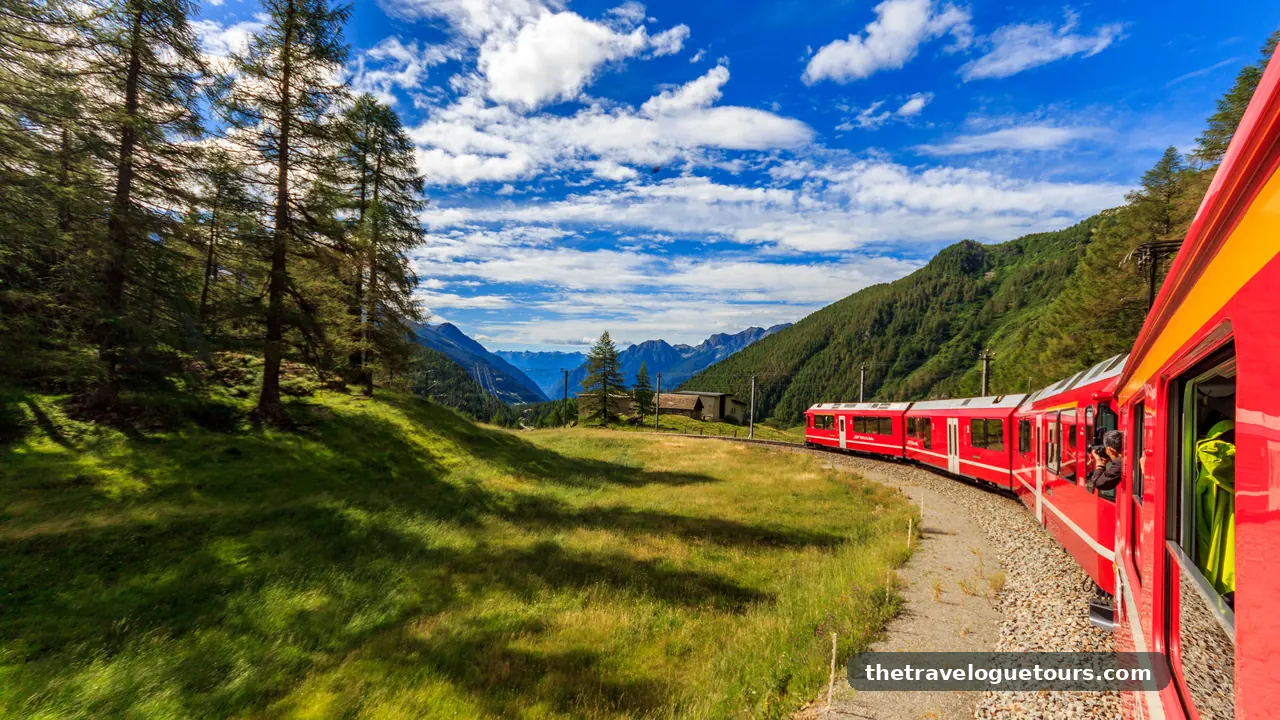
Northern Europe is the summer secret most first timers miss. Scandinavia, Scotland, and the Baltic coast enjoy mild weather, endless evening daylight, and thinner crowds than the Mediterranean. A train journey through the Alps or along the Norwegian fjords shows you a side of summer that beach towns never will, and our Europe by train guide covers the best routes.
Autumn, September to November: The Sweet Spot
If you could only pick one season for Europe, pick autumn. September keeps the warmth of summer with half the crowds, October brings harvest festivals and golden vineyards, and November drops prices to near winter levels.
The sea stays warm enough for swimming in Greece and southern Italy well into October, while cities like Paris, Rome, and Prague settle into perfect sightseeing weather. This is also wine harvest season, so regions like Bordeaux, the Douro Valley, and Piedmont are at their most beautiful and most delicious. Rick Steves Europe offers excellent month by month trip planning advice that pairs well with these picks.
Hotel prices start falling right after the last week of August, and by October you can find four star rooms for two star prices in many cities. Flight deals multiply as airlines compete for fewer travelers. Autumn is the season where a midrange budget suddenly buys a premium trip.
Winter, December to February: The Cheapest Season
Winter is Europe at its cheapest, quietest, and most atmospheric. Christmas markets light up Germany, Austria, and France from late November through December, and January and February bring the lowest hotel rates of the entire year.
You trade short days and cold weather for prices that can be half of summer, plus sights you can actually enjoy without elbowing through crowds. Ski resorts in the Alps are the one winter exception, since they command peak prices from Christmas through February, so book those early or look at smaller resorts.
Southern Europe stays surprisingly mild, with places like Seville, Sicily, and the Algarve seeing daytime highs in the 60s even in January. Pack a warm coat and a willingness to spend evenings in cozy cafes, and winter rewards you with the most authentic version of Europe. Rail passes can make winter hopping affordable, so check the Eurail official site for current pass prices and route options.
The Budget Playbook That Works Every Season
The season sets the baseline, but smart choices can save you money in any month. Travel midweek instead of weekends, because hotel rates often drop twenty to thirty percent for Tuesday and Wednesday nights. Eat your main meal at lunch, when restaurants serve cheaper set menus, and save dinners for picnics or street food.
Base yourself in one city for a week instead of hopping every two days, since weekly apartment rentals cost far less per night than hotels. Use public transport day passes, book museum tickets online in advance for skip the line access, and keep your sightseeing list short enough to actually enjoy it.
The single biggest budget lever is flexibility with dates. Shifting a trip from August to September, or from Easter week to late April, can cut your total trip cost by a third without changing a single destination. Decide your non negotiables first, then let the calendar bend around the prices.
Best Time to Visit Europe FAQ
What is the cheapest month to visit Europe?
January and February bring the lowest prices for flights and hotels across most of Europe, with the Alps as the main exception. You will deal with short days and cold weather, but the savings are real and the crowds are gone.
What is the best month to visit Europe for good weather?
May and September share the crown. Both offer warm days, cool evenings, and far smaller crowds than the summer peak, and May adds spring flowers while September adds warm seas for swimming.
Is summer in Europe too crowded?
Popular spots like Venice, Santorini, and Barcelona are genuinely crowded in July and August, with higher prices to match. Visit early in the morning, book everything ahead, or head north to Scandinavia where crowds stay thin.
When is the best time to visit Europe on a tight budget?
Late autumn and winter deliver the deepest discounts, especially January, February, and November. Spring offers the best balance of decent weather and fair prices, and you should avoid Easter week and August if budget matters.
How far ahead should I book a summer trip to Europe?
Book flights three to six months ahead and accommodation just as early for summer travel. Popular cities sell out their best value hotels first, so waiting costs you money, while shoulder season trips can be booked with much shorter notice.
The perfect season for Europe is the one that matches your priorities, not someone else’s highlight reel. If you want sunshine and swimming, go in summer and book early. If you want value, go in spring or autumn and watch your money stretch further.
Europe will be there in every season, each one showing you a different face of the continent. Pick the season that fits your budget and your dreams, book it before the prices climb, and go see it for yourself.







3 Comments