How to Choose the Right Destination Based on the Season You’re Traveling
Choosing where to travel without considering the season often leads to disappointment. Weather, crowd levels, prices, accessibility, and even safety can change drastically depending on the time of year. A destination that feels magical in one season can feel uncomfortable or underwhelming in another. Matching your destination to the season you’re traveling is one of the simplest ways to improve your overall travel experience without increasing your budget.
Seasons Shape the Entire Travel Experience
Seasons influence far more than temperature. They affect transportation reliability, accommodation availability, outdoor activities, cultural events, and local life. Traveling during the wrong season can mean closed attractions, extreme weather, or inflated prices. Traveling during the right season often means smoother logistics, better value, and a more authentic experience.
Understanding how seasons work globally helps you make smarter decisions instead of relying on generic “best places to visit” lists.
Peak Season Isn’t Always the Best Season
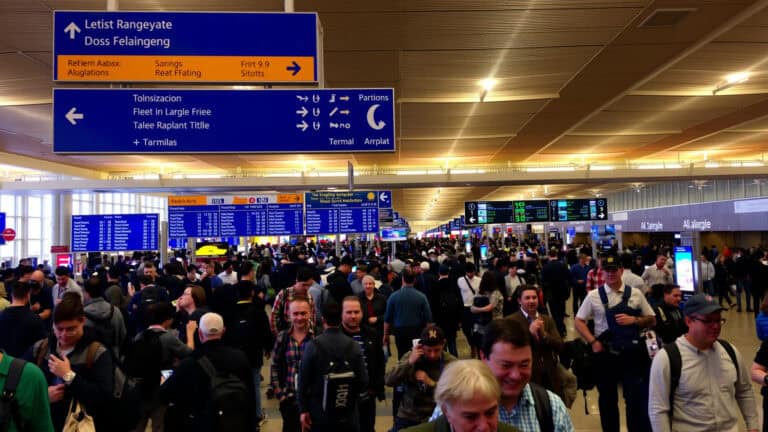
Peak season usually aligns with school holidays, ideal weather, and major festivals. While this sounds appealing, it often comes with higher prices, crowded attractions, and limited flexibility. Popular destinations can feel rushed and commercial during peak months.
Many experienced travelers intentionally avoid peak season. They choose shoulder or off-season travel to experience destinations with fewer crowds and more local interaction.
Shoulder Season Offers the Best Balance
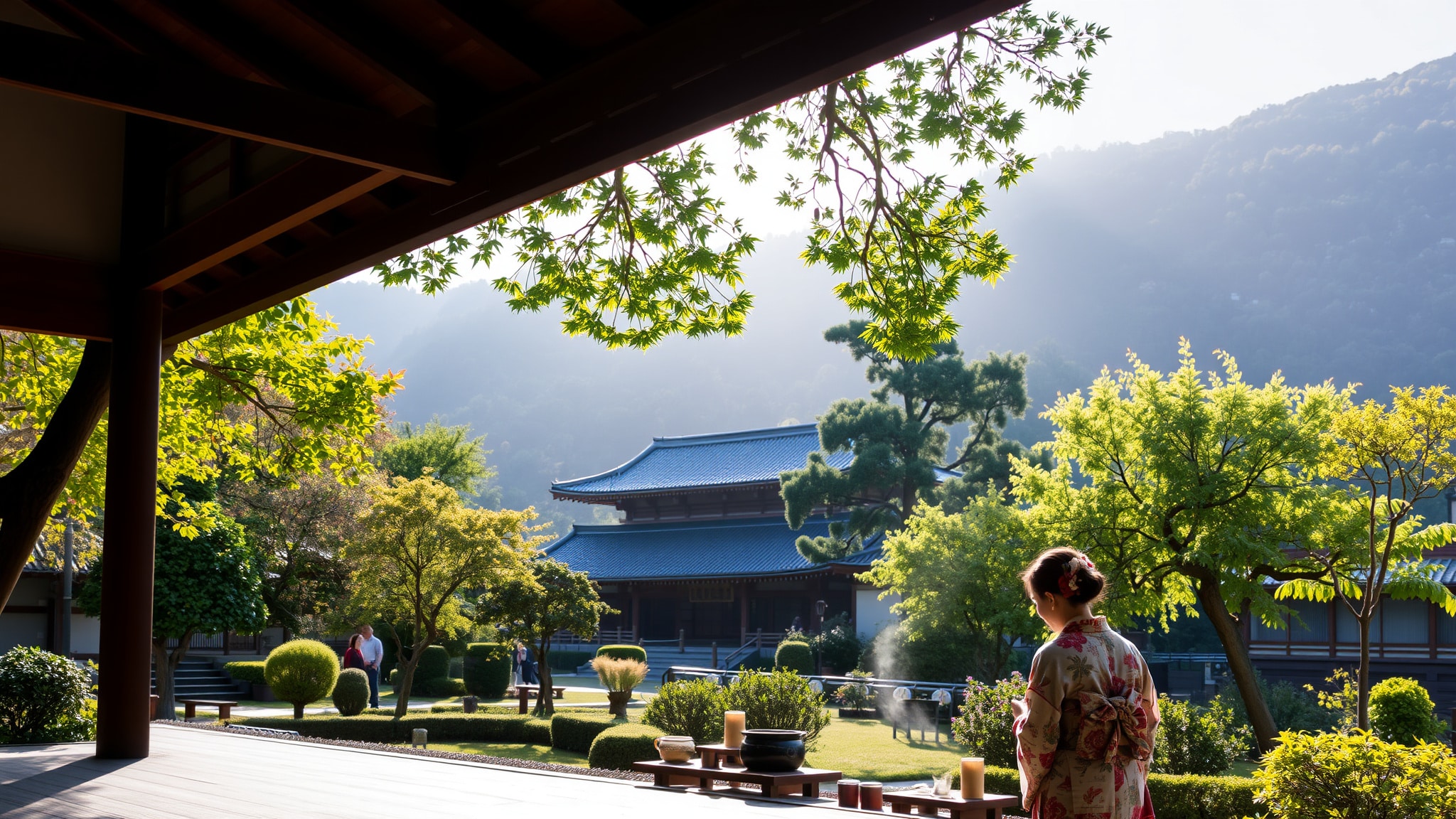
Shoulder season sits between peak and off-season. Weather is often still comfortable, prices are lower, and crowds are thinner. This period offers one of the best balances between enjoyment and value.
For example, traveling to Southern Europe in late spring or early autumn often delivers warm weather without the intense summer crowds. Similarly, Southeast Asia’s shoulder months can offer lush landscapes without peak-season congestion.
According to guidance from global tourism research published by the United Nations World Tourism Organization, seasonal travel patterns strongly influence sustainability and visitor satisfaction .
Off-Season Travel Requires Awareness, Not Avoidance
Off-season travel is often misunderstood. While some destinations truly shut down during certain months, others continue functioning normally with fewer tourists. Off-season travel can mean better prices, quieter streets, and more personal experiences.
However, off-season travel requires research. Some regions face monsoon rains, extreme cold, or safety challenges during certain months. Understanding local conditions is essential before committing.
Reliable destination-specific seasonal advice can be found through travel planning resources such as Lonely Planet, which regularly updates climate and travel condition data for destinations worldwide .
Weather Should Match Your Travel Goals
Not every traveler wants the same weather. Beach travel, hiking, city exploration, and cultural travel all thrive under different conditions. Choosing a destination based on activities rather than temperature alone leads to better outcomes.
For outdoor-focused trips, mild and dry seasons are ideal. For city travel, cooler months often make walking and sightseeing more enjoyable. Wildlife travel depends heavily on migration and breeding seasons, which vary by region.
Cultural Seasons Matter as Much as Climate
Festivals, religious events, and national holidays can transform a destination. Traveling during cultural seasons offers insight into local traditions but may also affect prices and availability.
Understanding cultural calendars helps avoid surprises. Some destinations experience transportation shortages or closures during major holidays. Others offer once-in-a-lifetime experiences if timed correctly.
Health and safety considerations during seasonal events, including heat waves or large gatherings, are addressed by organizations like the World Health Organization, which provides travel health guidance based on climate and seasonal risks .
Budget Travelers Benefit Most From Seasonal Planning
Season-aware travel often costs less. Flights, accommodation, and tours are priced based on demand. Traveling just outside peak periods can cut costs significantly without sacrificing quality.
Budget travelers who align destinations with seasonal demand often access better accommodations and experiences that would be unaffordable during peak months.
Nature-Driven Destinations Are Highly Seasonal
Destinations focused on nature are especially sensitive to seasons. National parks, islands, deserts, and mountain regions can be dramatically different throughout the year.
Some hiking trails close due to snow. Some islands experience rough seas. Some deserts become dangerously hot. Choosing the wrong season can limit access or compromise safety.
Urban Destinations Offer More Flexibility
Cities generally function year-round. Museums, restaurants, and infrastructure remain accessible regardless of season. This makes cities ideal for flexible or off-season travel.
However, weather still affects comfort. Summer heat or winter cold can change how enjoyable a city feels, even if attractions remain open.
Seasonal Travel Improves Sustainability
Traveling outside peak seasons helps reduce overcrowding and environmental strain. It also distributes tourism income more evenly throughout the year, supporting local economies beyond short peak periods.
Sustainable travel choices benefit both travelers and destinations, especially in regions struggling with overtourism.
Personal Energy Matters Too
Some travelers thrive in heat. Others prefer cooler climates. Some enjoy lively environments. Others seek calm. Choosing destinations based on your energy and comfort level matters as much as external factors.
Ignoring personal preferences leads to fatigue and dissatisfaction, regardless of how popular a destination may be.
Technology Makes Seasonal Planning Easier
Weather forecasting tools, climate data, and traveler reports make seasonal planning easier than ever. You no longer need guesswork. Researching conditions before booking reduces risk and improves satisfaction.
Up-to-date information helps travelers adapt plans quickly when conditions change.
When Flexibility Improves Seasonal Choices
Flexible travel dates allow you to adjust destinations instead of forcing trips into unsuitable seasons. If one region is entering extreme weather, another may be ideal at the same time.
Flexibility increases options and reduces compromise.
How to Avoid Seasonal Disappointment
Seasonal disappointment usually comes from unrealistic expectations. Seeing photos taken in ideal conditions creates false assumptions. Understanding what a destination actually offers during your travel window prevents frustration.
Reading recent traveler experiences often provides more accurate insight than promotional content.
Final Thoughts
Choosing the right destination based on the season you’re traveling is not about perfection. It’s about alignment. When weather, culture, activity, and personal comfort align, travel feels effortless. Seasonal awareness turns good trips into great ones, reduces unnecessary stress, and ensures that destinations are experienced at their best rather than endured at their worst.