
8 Places Changing Because of Climate Change
Eight places the climate is rewriting right now, what is actually happening, and how to visit each one responsibly, without the doomsday hype.
8 Places the Climate Is Rewriting
There is a quiet question sitting under a lot of travel plans right now: what if the place on your bucket list does not wait for you? It is not panic asking this. It is simple math about glaciers, coastlines, and coral.
Some destinations are changing faster than the postcards can keep up. The changes are real, measured, and visible to anyone who looks. None of these places has vanished, and none should be written off.
This is a guide to 8 places where the climate story is written into the landscape itself. You will learn what is actually happening, when to go, and how to visit without adding to the problem. The goal is honest travel, not last chance panic.
1. The Maldives
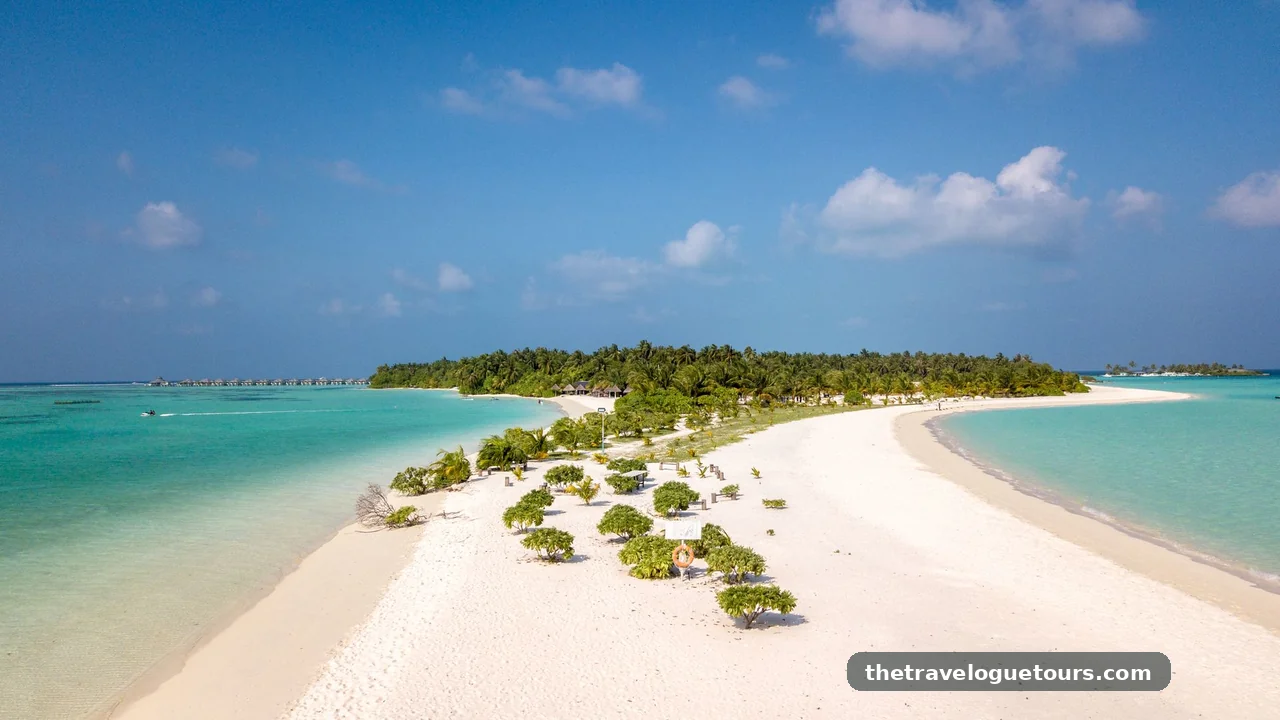
The Maldives is the lowest country on earth, with an average ground level of only about 1.5 meters above the sea. Rising seas and stronger storms are reshaping its shores, and the coral reefs that protect the islands have suffered bleaching during recent marine heatwaves.
The best time to visit is the dry season, from November to April, when seas are calmer and skies clearer. Stay on a locally owned island guesthouse instead of a private resort island, eat where locals eat, and skip single use plastics, because your money then supports the communities adapting to these changes. Our best time to visit the Maldives guide breaks down weather and prices month by month.
2. Venice, Italy
Venice floods. It has flooded for centuries, but the acqua alta high waters are arriving more often and climbing higher than the old records. The MOSE barrier system now rises to hold back exceptional tides, which buys the city time but does not end the story.
Visit in spring or late autumn, when the water is calmer and the crowds are thinner. Stay several nights, walk everywhere, and eat away from the main squares. A longer, slower visit spreads your spending across the year and into the neighborhoods that keep the real Venice alive.
3. The Great Barrier Reef, Australia
This is the largest living structure on the planet, visible from space, and it has endured several mass bleaching events in recent years. Warmer water stresses the coral, and repeated heatwaves give the reef less time to recover between them.
Go anyway, and go with a reef permitted operator that follows mooring and anchoring rules. Snorkel instead of touching, use reef safe sunscreen, and choose day trips out of Cairns or Port Douglas with operators that fund reef science. The reef sits on the UNESCO World Heritage List, and its listing page documents both its value and its pressures.
4. Glacier National Park, Montana, USA
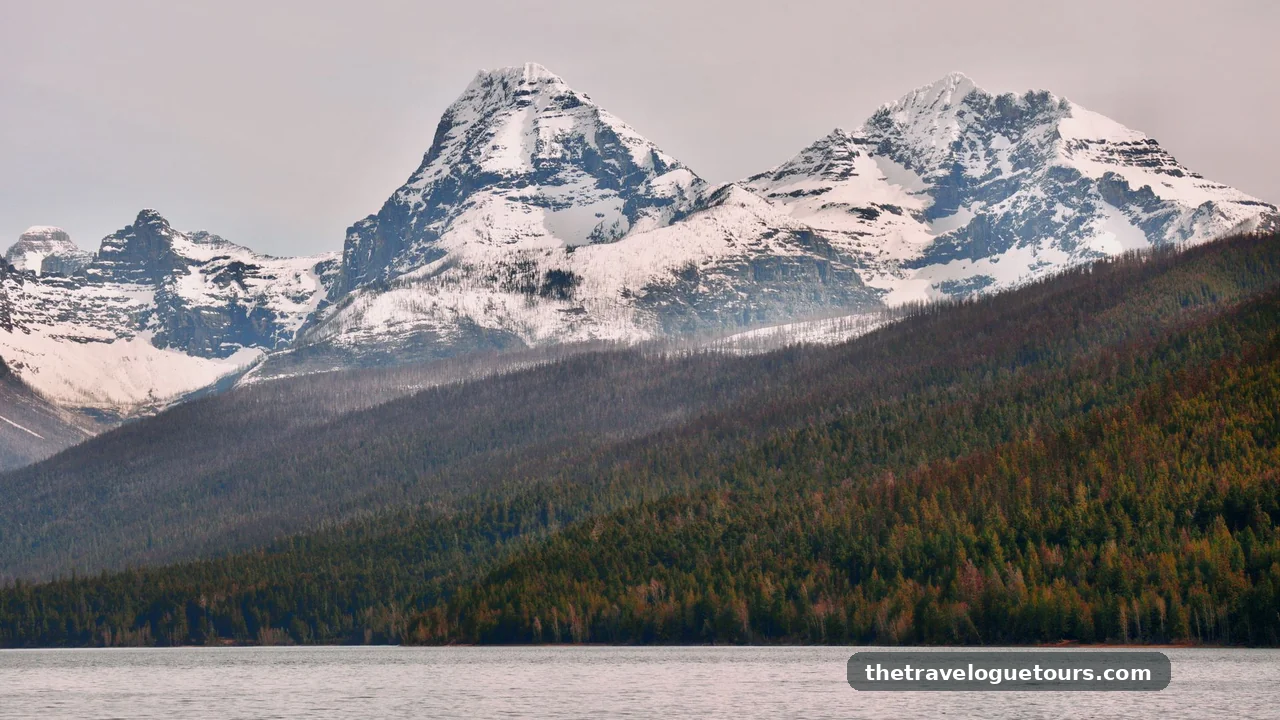
In 1850 the park held around 150 glaciers. Today roughly 2 dozen remain, and the park has measured the retreat in photographs, maps, and GPS surveys for over a century. The Going to the Sun Road still crosses the park each summer, but the ice that named it is shrinking year by year.
The park is open late June through mid September for the full experience, and rangers lead walks that explain the glacier story without sugarcoating it. Check current conditions before you drive up, because wildfire smoke and road work can shift plans. NASA Climate tracks glacier loss worldwide with the kind of long term data that makes the change impossible to wave away.
5. Tuvalu
Tuvalu is a Pacific island nation of 9 atolls, and most of its land sits only a few meters above the ocean. King tides already flood parts of the capital, and the country has been planning for a future where parts of its homeland may become hard to live on. You reach it by flights from Fiji, where tourism stays tiny, personal, and warm, and our dream islands guide shows how small island travel differs from resort travel.
This is not a luxury trip. Expect simple guesthouses, lagoon swimming, and some of the friendliest welcomes in the Pacific. Spend locally, bring what you need, take your trash out with you, and go in the dry season from May to October.
6. Mount Kilimanjaro, Tanzania
The ice cap on the roof of Africa has been retreating for more than a century, and the glaciers visible to climbers today are a fraction of what they were. The mountain itself is not going anywhere, but the snows that filled its postcards are thinning fast.
Climb with a licensed operator that treats porters fairly, carry your own water filter to cut plastic bottles, and pick the longer Lemosho or Northern Circuit routes to acclimatize properly. Our top hiking trails list shows how Kilimanjaro compares with other classic treks.
7. The Dead Sea
The Dead Sea is dropping about 1 meter a year as the rivers that feed it are diverted upstream. The shoreline retreats, sinkholes open in the exposed mudflats, and the resort beaches keep chasing the water downhill.
Float in it while respecting the rules: no splashing, no shaving cuts, and rinse off after. The Jordanian side and the Israeli side both offer public beaches that are cheaper and calmer than the big resorts. Water conservation starts upstream, but travelers can still support operators that use the shrinking resource carefully.
8. Machu Picchu and the Andes, Peru
Heavy rains and landslides have repeatedly threatened the access routes to Machu Picchu, and the stone city now runs on strict timed entry tickets to protect it from its own popularity. The surrounding Andes glaciers are retreating too, changing the water supplies of the villages below.
Book the earliest entry slot, take the train up from Ollantaytambo, and give the altitude a full day in Cusco before you climb anything. Fewer, slower days in the Sacred Valley beat a rushed day trip, and they put your money into the towns that keep the region running.
How to Visit Changing Places Responsibly
The most honest thing you can do is spend your money where it stays. Local guesthouses, local guides, and local restaurants fund the communities doing the adapting. International chains mostly export your spending.
Fly less often and stay longer when you do. A single 2-week trip with real roots in a place beats 4 long weekends of airports. Trains, buses, and boats cut the carbon of getting around, and they show you more anyway.
Follow the local rules even when they feel strict. Entry caps, reef guidelines, and trail limits exist because the places are under pressure. Your compliance is a vote for keeping them open.
If you can only fit one of these trips in soon, start with the glaciers, since lost ice rarely returns while reefs and cities can still recover between shocks. For the rest, pick the dry or shoulder season for that place and give it a slow week instead of a rushed weekend.
Climate Change Travel FAQ
Is it ethical to visit places affected by climate change?
Yes, if you travel lightly. Local jobs and conservation funding often depend on visitors, so boycotting a place can hurt the very communities adapting to change. Choose local operators, follow the rules, and leave the place better than you found it.
When is the best time to visit the Maldives?
The dry season runs from November to April, with calmer seas and clearer skies. Prices peak around the December holidays, so late November or April gives you the best mix of weather and value.
Which of these places is changing fastest?
The glaciers of Glacier National Park and Mount Kilimanjaro are the most visibly time sensitive, since lost ice rarely returns. The Great Barrier Reef can recover between heatwaves, but only if the gaps between them are long enough.
How do I reduce my carbon footprint on these trips?
Stay longer per flight, travel overland where you can, and cut single use waste on the ground. The biggest lever is frequency: fewer, deeper trips beat many short hops.
Is Venice still worth visiting despite the flooding?
Absolutely, and the shoulder seasons of April to May and September to October are the sweet spot. The MOSE barriers now protect against the worst tides, and a slower stay supports the city beyond the day trip crowds.
You do not need to race these places. Go soon, go slow, and spend your money where it helps the place survive the change. That is the whole ethic in one sentence.
The list will keep evolving, and so will the places on it. The best response to a changing map is not fear. It is attention.

4 Comments