
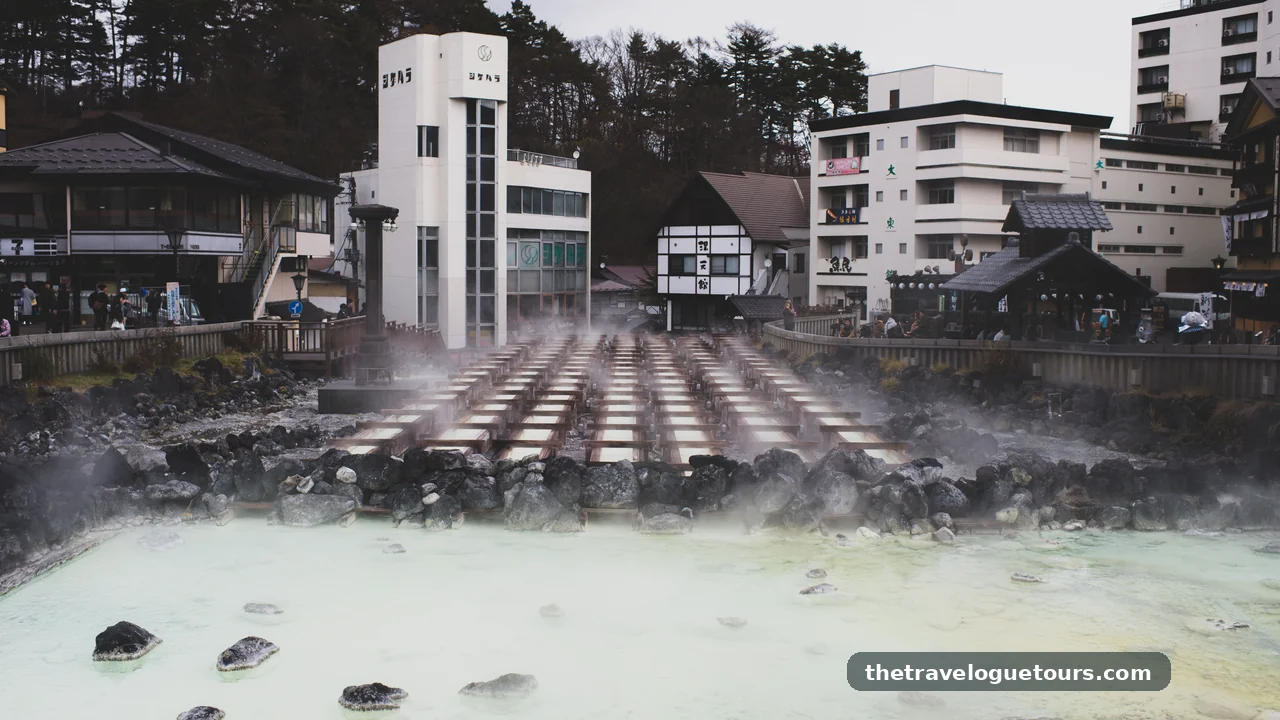
Onsen Etiquette for First-Timers
A calm, step-by-step guide to Japanese onsen etiquette for nervous first-timers: washing, towels, tattoos, and every rule you need to bathe like a local.
The Moment That Makes Everyone Nervous
Picture this. You have paid, you have a locker key, and now you are standing in a changing room in Japan, realising that the next door leads to a room full of strangers and no swimsuits.
Your heart is doing something unreasonable. This is completely normal.
Here is the truth nobody tells you: almost everyone feels exactly this way the first time, including plenty of Japanese people on their own first visit. An onsen is not a test of courage.
It is a bath. And once you know the handful of rules, the whole thing feels less like an exam and more like one of the most relaxing hours of your trip.
If you want your whole Japan trip to feel more local, soaking in an onsen is one of the best places to start, right alongside exploring Japan like a local.
This guide walks you through the real sequence, step by step, the way a friend would: what to expect, what to do with that tiny towel, and how to avoid the mistakes that make bathers glance at you sideways.
Before You Arrive
Most onsen are separated by gender. You will see a curtain marked 男 for men and 女 for women, sometimes in blue and red. Trust the kanji more than the colours.
The tattoo question matters more than most first-timers expect. Many traditional onsen still refuse tattooed guests, a rule left over from old associations.
The policy is slowly relaxing, and the official JNTO hot spring guide notes more places are becoming flexible, but you should still check the specific onsen’s policy before you go.
If you have ink, look for tattoo-friendly onsen or book a private bath.
Bring almost nothing. Most onsen provide or rent towels, and they always have soap and shampoo.
You will leave your valuables in a locker anyway. A hair tie is the one smart thing to bring if your hair is long.
Step One: Shoes Off, Clothes All the Way Off
At the entrance you will often buy a ticket from a machine or pay at a small counter. Take off your shoes at the genkan and put on the slippers provided, then find the right curtain for your gender.
In the changing room, undress completely. Yes, completely.
Swimsuits are not allowed in the shared water because they can carry soap and dirt in with them. Put everything in your locker or basket and carry only the small towel with you into the bathing area.
That little towel is your entire outfit for the next few minutes.
This is the moment that feels strangest, and it is over in about thirty seconds. Nobody is looking at you.
Everyone has the same body parts, and everyone is thinking about the hot water, not about you. The detailed japan-guide.com onsen guide covers these basics too if you want to study the curtain signs before you go.
Step Two: Wash Like You Mean It
The bath itself is for soaking, not for cleaning, so the washing stations are the most important stop. Sit on the little stool, fill the bucket, and wash your entire body with soap, then rinse every trace of soap off before you go near the shared water.
Be thorough but unhurried. Rinse your hair too, and tie long hair up so it never touches the water. Splashing your neighbours is the one way to annoy everyone, so keep the water close to your body and sit down while you wash.
That small towel is really a washcloth with a second job. Use it to scrub, wring it out, and keep it with you. Its other job, covering you on the walk to the bath, is something you will figure out in about five seconds flat.
Step Three: Into the Water
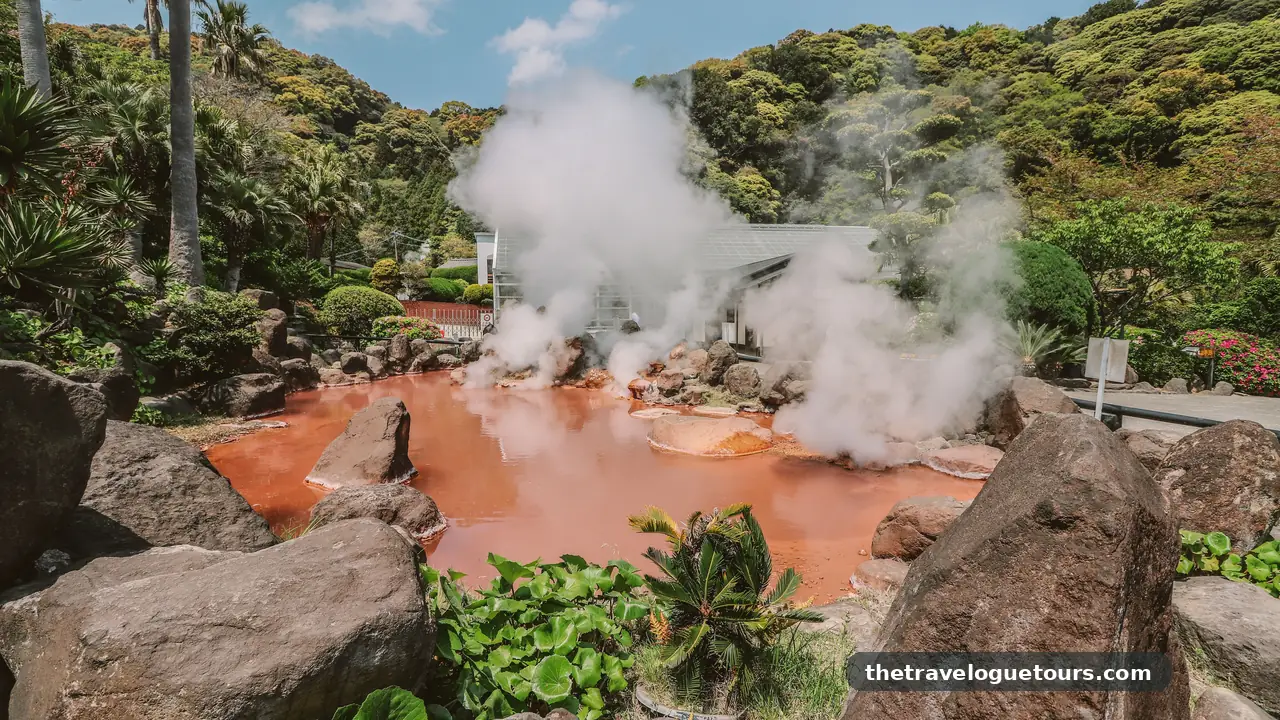
The water is hot. Not warm, hot, usually around 40 to 44 degrees, so enter slowly and give your body a minute to adjust.
Dangle your feet first, then slide in. Wincing is allowed in private, but you will adapt faster than you expect.
Two rules carry the whole culture of the onsen. Keep your small towel out of the water at all times, folded on your head or left on the edge of the bath, and keep your voice down.
This is a quiet place. People come to decompress, not to hear your travel stories at full volume.
Soak for ten to fifteen minutes, then step out and cool down on the edge before going back in if you like. Do not swim, splash, or dunk your head under. Many onsen towns are easy day trips, so when you plan how you will get there, it helps to decide between a Japan Rail Pass or individual tickets before you lock in your route.
After the Soak
When you are done, do not just march back into the changing room dripping. Stand on the wooden platform or the mats by the bath and towel off as much water as you can. Keeping the changing room floor dry is one of those small courtesies people notice.
Drink water. Onsen water is hot and the room is steamy, and you will have sweated more than you realise. Many onsen have a rest area with cold drinks and massage chairs, and lingering there for ten minutes is part of the experience, not laziness.
Some people give their body a quick rinse with the shower after soaking, especially if the minerals smell strongly of sulfur. Either way is fine. Then dress, take your time with the hairdryers if you like, and enjoy the dazed, floaty feeling that follows a good soak.
Tattoos, Private Baths, and Other Worries
Let us come back to tattoos, because this is where most first-timers get caught out. Even small tattoos can get you turned away at a strict onsen. Covering them with patches sometimes works, but only if the onsen allows it, so check the website or email before you go.
The easy workaround is a private bath, called a kashikiri or kazoku-buro, which you rent by the hour at many ryokan and some public onsen. You get the full steaming, scenic soak with zero etiquette anxiety, and couples can use them together. They cost roughly 1,000 to 3,000 yen and are worth every coin for a nervous first-timer.
Parents ask about kids sometimes. Children are welcome at most onsen, and you will often see whole families, but the same rules apply to them, including the washing.
And if you are travelling with a partner of the opposite gender, assume you will bathe separately. That is the norm, not the exception.
The Mistakes That Give You Away
Phones and cameras stay in the locker. Always. Taking a photo in the bathing area is the single fastest way to cause a real problem, and most onsen ban phones from the changing room as well.
Do not wear your swimsuit into the shared water, do not let your towel drift into it, and do not treat the bath like a pool. Loud talking, splashing, and hair in the water are the things locals notice most, and they are all easy to avoid once you know. These are the same kinds of small missteps that stack up on any trip, and our list of travel mistakes to never make again is worth a read before any big journey.
If you are unsure about something, watch what the regulars do and copy them. Onsen etiquette is not mysterious. It is just thoughtfulness with hot water.
Onsen FAQ
Do I really have to be naked at an onsen?
Yes, in the shared baths. Swimsuits are not allowed because they can bring soap and dirt into water everyone shares. Everyone else is naked too, and after the first minute it feels completely ordinary.
Can I use an onsen if I have tattoos?
Many traditional onsen still say no, though the rules are slowly relaxing. Check the onsen’s policy in advance, consider cover patches where allowed, or book a private bath where tattoos are never an issue.
What is the small towel actually for?
It is a washcloth first and a modesty cover second. Wash with it, wring it out, and carry it to the bath, but never let it touch the water. Most people fold it on their head while soaking.
How long should I stay in the hot water?
Ten to fifteen minutes per soak is plenty, with cool-down breaks in between. The water is hotter than a normal bath, so step out when you feel flushed and drink water.
Are men and women really separated?
Almost always, behind curtains marked with the kanji for men and women. Mixed baths are rare and clearly signposted, so you are very unlikely to walk into one by accident.
You will walk out of your first onsen slightly pink, deeply relaxed, and wondering why you were nervous at all. The rules that seemed intimidating turn out to be simple: wash first, keep the towel out, keep it quiet. The water does the rest, and it does it better than any spa treatment you will pay ten times more for at home.
Go in the evening after a long day of sightseeing, when your legs are tired and the outdoor bath is steaming into the cool air. That is the moment the onsen stops being a challenge and starts being the best part of your trip to Japan.




One Comment