How to Take Travel Photos That Actually Feel Like the Moment
Travel photography isn’t about perfect compositions, expensive cameras, or chasing Instagram trends. The photos that truly matter are the ones that feel like the moment when you look at them later. They bring back sounds, emotions, smells, and the exact feeling of being there. Learning how to capture those moments changed the way I travel, slowed me down, and made my photos far more meaningful than any perfectly staged shot ever could.
Why Most Travel Photos Feel Empty
Many travel photos look impressive but feel lifeless. They show landmarks, views, and famous spots, yet they fail to tell a story. This happens when photography becomes a checklist rather than an experience. Rushing between locations, copying popular poses, and focusing only on scenery disconnects the photographer from the moment itself. This is similar to what happens when travelers rush through destinations without slowing down, a mindset shift explained here: https://thetraveloguetours.com/why-slow-travel-changed-the-way-i-see-the-world/.

Stop Photographing Places, Start Photographing Experiences
Places don’t create emotion, experiences do. Instead of aiming your camera only at landmarks, look for what’s happening around them. A street vendor preparing food, a child playing near a historic site, or locals commuting during rush hour often tell a richer story than the landmark itself. These small moments add context and life to your images.
Put the Camera Down First
One of the most powerful habits I developed was arriving somewhere and not taking photos immediately. I spend time observing, listening, and understanding the environment. When you rush to shoot, you miss the rhythm of a place. When you wait, you begin to anticipate moments instead of chasing them.
Travel Slower to See More
Fast travel produces rushed photos. Slow travel creates space for observation and repetition, which leads to better images. Staying longer in one place allows you to notice patterns, light changes, and human interactions. This approach naturally improves photography and aligns with safer, more mindful travel practices discussed here: https://thetraveloguetours.com/how-i-stay-safe-while-traveling-alone-in-unfamiliar-countries/.
Focus on Light, Not Locations
Light shapes emotion more than location ever will. Early mornings and late afternoons create soft, warm tones that feel natural and immersive. Harsh midday light often flattens scenes and removes depth. Instead of asking “Where should I shoot?”, ask “When does this place feel alive?”
Capture Imperfect Moments
Perfect symmetry and clean compositions are overrated. Real moments are messy, unpredictable, and sometimes awkward. A blurry hand, a crooked horizon, or a passing shadow can add realism. These imperfections often make photos feel human instead of staged.
Include People Whenever Possible
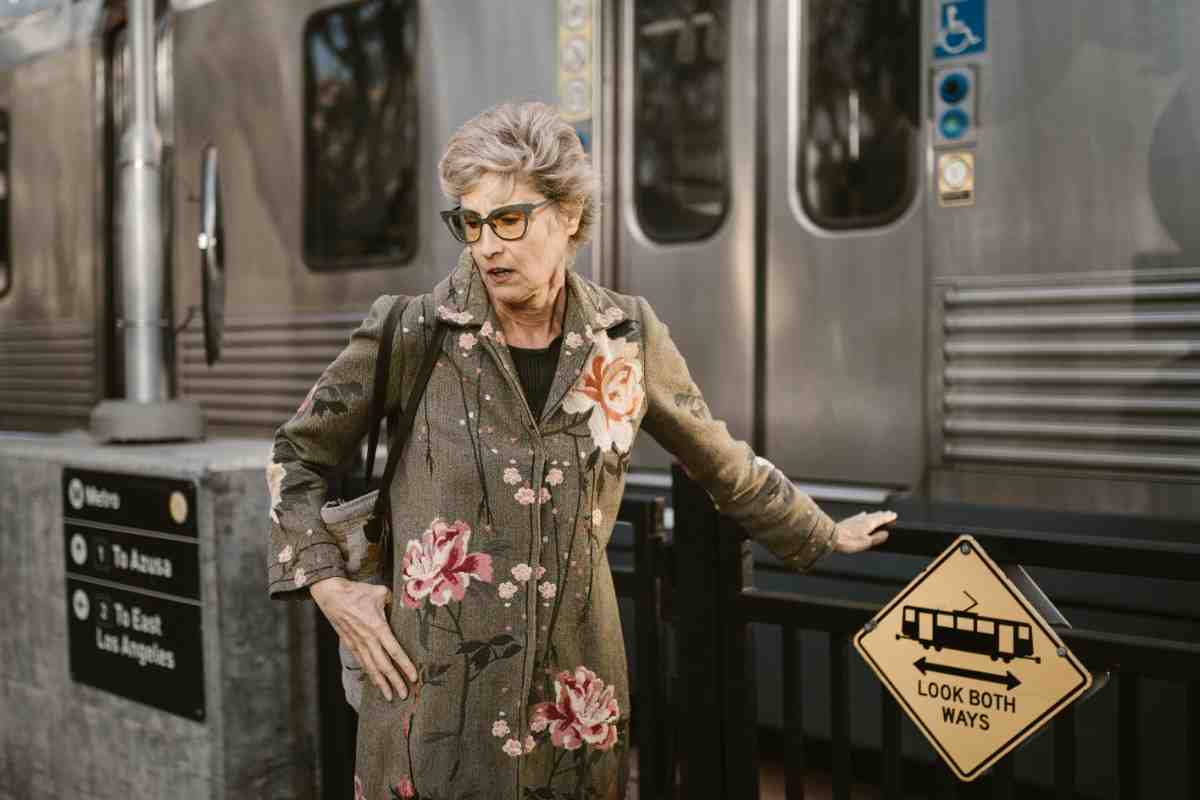
People add scale, emotion, and story. Even a silhouette or partial figure can transform an image. If you feel uncomfortable photographing strangers, start from a distance or capture hands, movement, or interactions without showing faces. Respect matters more than the photo.
Ask for Permission When It Matters
When photographing individuals directly, asking for permission creates trust and often leads to better images. Many people relax once they know why you’re taking their photo. A quick smile or gesture can open doors and result in genuine expressions rather than forced poses.
Use Your Phone Like a Storytelling Tool
You don’t need professional gear to capture meaningful photos. Phones are discreet, fast, and less intimidating. Their limitations often force creativity. Some of my most emotional travel photos were taken with a phone because it allowed me to stay present rather than adjusting settings.
Stop Overediting Your Photos
Heavy filters and aggressive edits remove authenticity. If the photo doesn’t resemble how the moment felt, it loses its power. Minor adjustments for exposure and contrast are enough. Let natural colors and imperfections remain.
Pay Attention to Sounds and Smells
This might sound strange, but noticing sounds and smells improves visual storytelling. When you’re fully present, your photos reflect that awareness. Busy markets, quiet mornings, and chaotic transport hubs all have distinct atmospheres that can be captured visually if you’re tuned in. Food markets are especially powerful places to practice this awareness, as explored here: https://thetraveloguetours.com/food-markets-around-the-world-guide-to-buying-local-and-eating-fresh/.
Photograph Transitions, Not Just Highlights
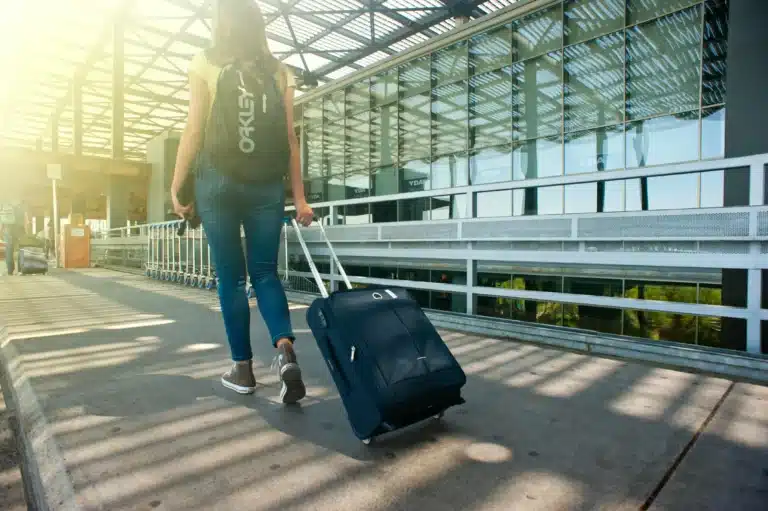
Moments between destinations often feel more real than the destinations themselves. Train rides, waiting rooms, empty streets, and hotel balconies carry emotion. These in-between moments tell the full story of travel, not just the highlights.
Use Movement to Add Life
Static photos can feel flat. Capturing motion adds energy and realism. This can be someone walking through a frame, traffic passing by, or fabric moving in the wind. Motion suggests time passing, which makes photos feel alive.
Let Go of the “Must-Get Shot”
Chasing a specific photo creates pressure and disappointment. When you let go of expectations, you become more open to unexpected moments. Many meaningful photos happen when plans fall apart, similar to lessons learned from unexpected travel challenges shared here: https://thetraveloguetours.com/travel-mistakes-you-should-never-make-again/.
Be Patient and Observe Patterns
Great travel photos often come from waiting. Stay in one spot and observe how people move, how light changes, and how interactions unfold. Patterns repeat, and once you recognize them, you can anticipate moments instead of reacting too late.
Photograph Emotions, Not Just Scenes
Ask yourself what you’re feeling in the moment. Calm, excitement, loneliness, curiosity, or awe can all be translated visually. A quiet street at dawn feels different from the same street at noon. Choose angles and framing that match the emotion, not just the subject.
Respect the Place You’re Photographing
Responsible travel and photography go hand in hand. Avoid disturbing people, wildlife, or sacred spaces for the sake of a photo. Ethical choices preserve the authenticity of both the moment and the destination. This mindset aligns closely with responsible travel practices discussed here: https://thetraveloguetours.com/places-that-are-changing-fast-because-of-climate-change-and-why-you-should-visit-responsibly/.
Don’t Perform for the Camera
The best photos come when you forget about the camera. If you’re constantly thinking about angles and likes, you disconnect from the experience. Take photos as a byproduct of travel, not the purpose of it.
Edit With Memory, Not Trends
When reviewing photos later, edit based on how the moment felt, not what’s currently popular online. If a photo brings back emotion, it’s successful, even if it doesn’t fit social media aesthetics.
Build a Personal Style Naturally
Style develops from consistency and honesty, not imitation. Over time, you’ll notice recurring themes in your photos: certain colors, subjects, or moods. Lean into them instead of forcing variety.
Back Up Your Photos Immediately
Losing photos means losing memories. Always back up images to cloud storage or external drives while traveling. This small habit protects irreplaceable moments and prevents regret.
Travel Photography Is About Presence
The strongest travel photos come from presence, not perfection. When you are fully engaged with your surroundings, your photos reflect that depth. Photography becomes a way to remember, not to prove you were there.
Final Thoughts
Taking travel photos that feel like the moment isn’t about better equipment or technical mastery. It’s about slowing down, observing honestly, and staying emotionally present. When you photograph experiences instead of attractions, your images become memories rather than souvenirs. Years later, these photos won’t just show where you went. They’ll remind you how it felt to be there.