
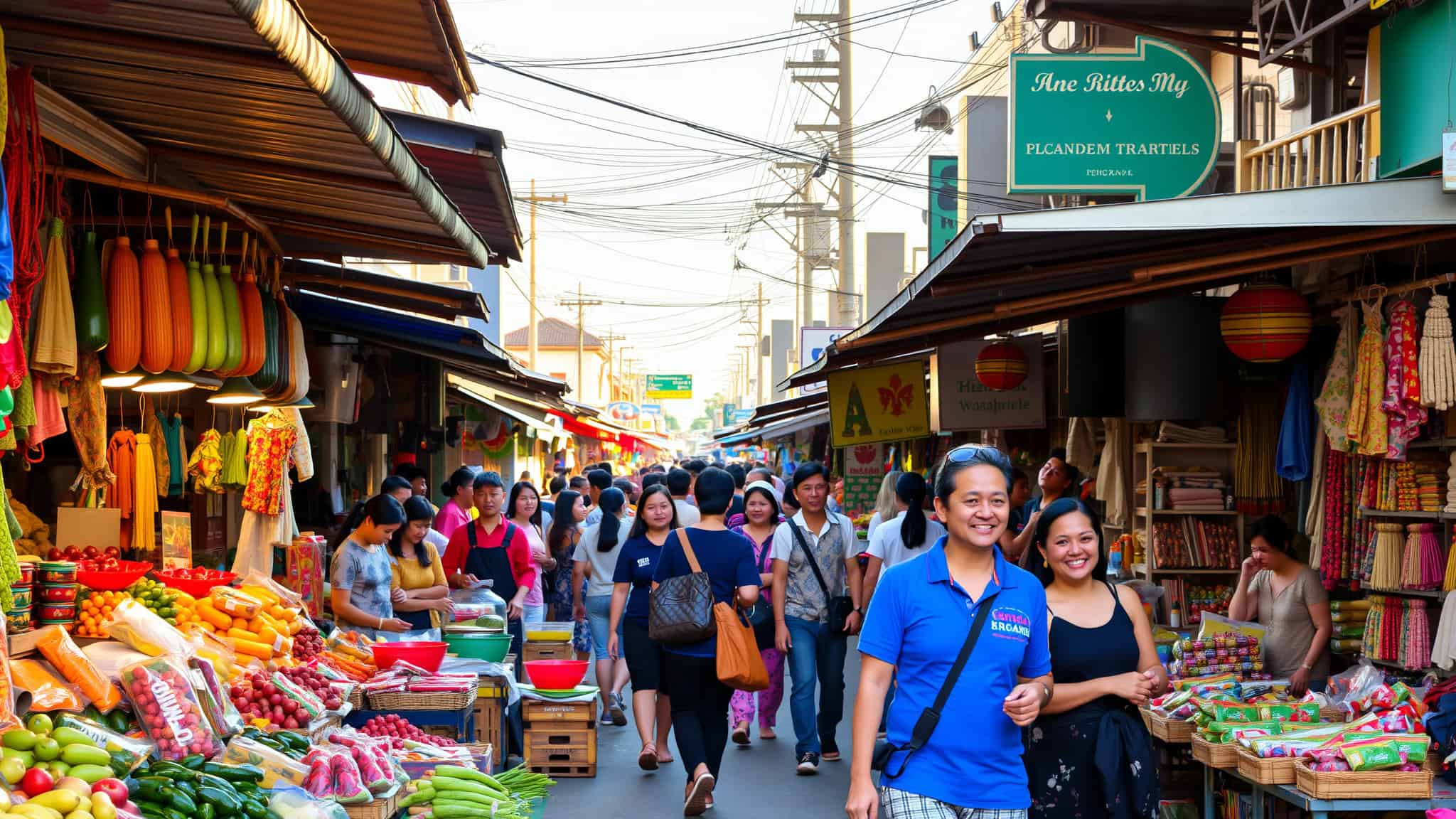
How I Stay Safe While Traveling Alone in Unfamiliar Countries
Traveling alone in unfamiliar countries is one of the most rewarding experiences you can have, but it also comes with real risks that shouldn’t be ignored. Safety is not about fear or paranoia. It’s about awareness, preparation, and smart decision-making. Over the years, solo travel has taught me that staying safe isn’t about avoiding the world, it’s about learning how to move through it confidently and responsibly.
Why Solo Travel Requires a Different Mindset
When you travel alone, there’s no backup decision-maker, no shared responsibility, and no one to double-check your choices. This makes mindset your first line of defense. I treat solo travel as a balance between openness and caution. Being friendly doesn’t mean being careless, and being cautious doesn’t mean being closed off. That balance shapes every decision I make on the road.

Research Is My First Safety Tool
Before I arrive in any unfamiliar country, I research local customs, common scams, safe neighborhoods, and cultural expectations. Knowing what behavior attracts unwanted attention can prevent problems before they happen. Many safety mistakes come from lack of preparation, similar to those discussed here: https://thetraveloguetours.com/travel-mistakes-you-should-never-make-again/. Understanding social norms helps you blend in rather than stand out.
I Choose My Accommodation Carefully
Where you stay affects your safety more than almost anything else. I prioritize locations close to public transport, well-lit streets, and areas with regular foot traffic. I read recent reviews carefully and avoid places with repeated safety complaints. Spending a little more on a reliable location often saves stress and risk later.
I Arrive During Daylight Whenever Possible
Arriving in a new country at night increases vulnerability. Daytime arrivals allow you to understand your surroundings, navigate transport calmly, and avoid rushed decisions. If night arrival is unavoidable, I pre-arrange transportation and avoid negotiating rides on the spot.
My Packing Strategy Is About Security
Packing light makes movement easier and reduces attention. I avoid flashy accessories, carry neutral clothing, and keep valuables discreet. Smart packing reduces risk and stress, which aligns closely with these practical tips: https://thetraveloguetours.com/smart-packing-tips-every-traveler-should-know/. Less luggage also means faster exits if needed.
I Protect My Documents Like My Life Depends on It
I keep physical and digital copies of my passport, visa, insurance, and emergency contacts. Originals stay secured, while copies remain accessible. Losing documents abroad can turn a small problem into a serious situation. Having backups gives peace of mind and flexibility.
Situational Awareness Is Non-Negotiable
I stay aware of my surroundings without being tense. That means noticing who’s around me, understanding exits, and trusting gut instincts. If a situation feels wrong, I leave. Solo travel teaches you to listen to intuition because it’s often right.
I Don’t Overshare With Strangers
Being friendly doesn’t mean sharing personal details. I avoid discussing accommodation locations, travel plans, or how long I’ll be alone. Oversharing creates unnecessary risk. Casual conversations stay casual, and boundaries stay firm.
Transportation Choices Matter
I research local transport safety in advance and avoid unofficial taxis. Ride-hailing apps, hotel-arranged transport, or well-known public systems are safer options. Airports are common stress points, so I apply strategies similar to those in this guide: https://thetraveloguetours.com/airport-survival-guide-what-frequent-flyers-know-that-you-dont/.
I Blend In as Much as Possible
Standing out makes you a target. I dress modestly according to local norms and observe how locals behave. Blending in reduces attention and helps avoid unwanted interactions. This approach is especially important in conservative or culturally sensitive regions.
Travel Insurance Is My Safety Net
No matter how careful you are, things can go wrong. Travel insurance protects against medical emergencies, theft, and unexpected disruptions. After learning this lesson the hard way, I never travel without coverage, as explained in detail here: https://thetraveloguetours.com/travel-insurance-what-i-learned-after-almost-losing-thousands-abroad/. Insurance doesn’t replace caution, but it reduces the consequences of bad luck.
I Stay Connected Without Being Dependent
I keep my phone charged, carry a power bank, and ensure I have local or international data. I share my itinerary with someone I trust and check in regularly. Staying connected doesn’t mean constant updates, it means having support if needed.
I Respect Local Laws and Customs
What’s acceptable in one country may be illegal or offensive in another. Ignoring local laws can escalate minor issues quickly. Respecting rules, dress codes, and social behavior keeps interactions smooth and avoids unnecessary trouble.
Nighttime Requires Extra Caution
I limit solo outings late at night, especially in unfamiliar areas. If I do go out, I plan transportation in advance and avoid alcohol-heavy environments. Being alert matters more after dark, when risks naturally increase.
Food Choices Can Be a Safety Decision
Street food and local dining are highlights of travel, but I observe hygiene, popularity, and food handling. Choosing busy food spots reduces health risks and still allows cultural immersion, similar to experiences shared here: https://thetraveloguetours.com/food-markets-around-the-world-guide-to-buying-local-and-eating-fresh/.
I Trust Locals but Verify Advice
Locals often give the best advice, but I cross-check important information. Friendly suggestions are valuable, but decisions affecting safety deserve confirmation. Combining local insight with personal judgment creates smarter choices.
Slow Travel Makes Me Safer
Staying longer in one place helps me learn safe routes, recognize familiar faces, and understand local rhythms. Slow travel reduces constant exposure to new risks and creates a sense of belonging. Familiarity is a powerful safety tool.
I Avoid Risky Shortcuts
Saving time or money is never worth risking safety. I avoid shortcuts through empty areas, refuse offers that feel rushed, and walk away from pressure. Patience is often the safest decision.
Mental Safety Is Just as Important
Solo travel can be emotionally demanding. Loneliness, fatigue, and stress can cloud judgment. I rest when needed, stay hydrated, and avoid decision-making when exhausted. Clear thinking is essential for safety.
Learning From Experience Builds Confidence
Every trip adds experience. Mistakes become lessons, and lessons become instincts. Safety skills improve with time, awareness, and reflection. Confidence grows not from fearlessness, but from preparation.
Why Solo Travel Is Still Worth It
Despite the risks, solo travel offers independence, growth, and perspective. Safety planning doesn’t limit freedom; it enables it. When you feel secure, you experience destinations more deeply and authentically.
Final Thoughts
Staying safe while traveling alone in unfamiliar countries is not about controlling every outcome. It’s about stacking small, smart decisions in your favor. Awareness, preparation, respect, and intuition form a powerful safety system. Solo travel isn’t reckless or dangerous by default. When done thoughtfully, it becomes one of the most empowering ways to explore the world.


