
Southeast Asia Street Food Guide
A country-by-country eating route through Thailand, Vietnam, Malaysia, Indonesia and the Philippines: signature dishes, where to find them, and how to eat like a local on your first trip.
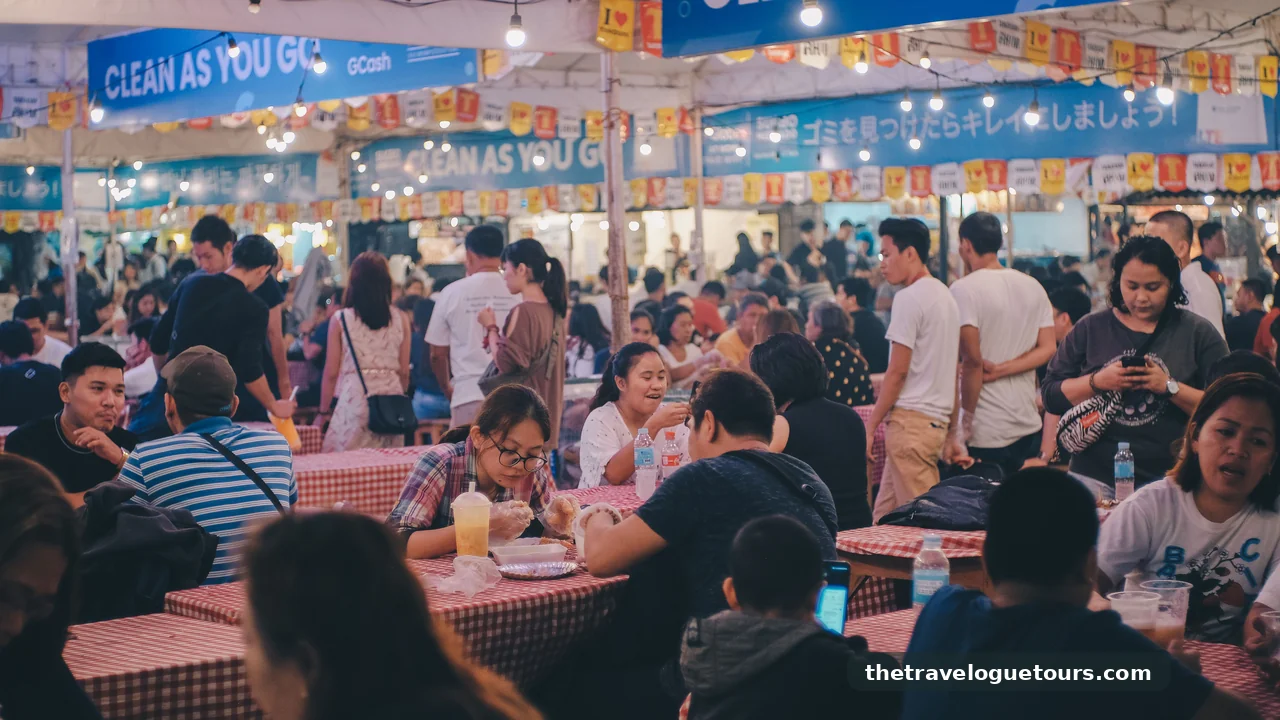
The first time you eat dinner on a plastic stool in Bangkok, elbows nearly touching the strangers beside you, something shifts. You stop being a visitor and start being a guest. That is the real promise of Southeast Asia street food.
Forget white tablecloths. Here the best cooks work over a single wok on a crowded pavement, perfecting one dish for decades and selling it for less than your morning coffee. This guide is your country by country eating route for a first big trip.
You will learn what to order, where to find it, and how to eat it without looking lost, from Thailand’s night markets to a Filipino dessert. Pack loose clothes and a little courage. Every bite ahead is worth the flight.
Thailand: Where the Smoke Never Stops
Bangkok after dark smells of garlic, chilies, and charcoal smoke as pavements turn into open air kitchens. The rule is simple. Follow the crowd, because locals never queue for bad food.
Start with pad thai, sweet and sour rice noodles tossed in a screaming hot wok with shrimp, egg, tofu, and peanuts. Then try mango sticky rice in mango season, warm coconut rice with ripe mango and toasted sesame. Two dishes, one lesson: Thai street food is all about balance.
Finish the trio with tom yum goong, hot and sour shrimp soup with lemongrass, served bubbling in clay pots. Head to Yaowarat Road in Chinatown after 7 pm for neon lit seafood grills, or Chiang Mai’s Sunday Walking Street for a full dinner for a dollar or two.
Eat where turnover is highest, because a busy stall cooks everything fresh. To time your trip with food festivals, the Tourism Authority of Thailand publishes event dates at tourismthailand.org.
Safety tip for Thailand. Start mild by asking for mai phet, no spice, and build up from there. Your stomach will thank you on day one, and by day three you will order the real thing.
Vietnam: A Masterclass in Balance
Vietnamese food is built on balance, sweet, sour, salty, and heat in exact proportion. One proper breakfast of pho in Hanoi explains why people cross oceans for soup.
Pho bo is the national treasure: clear fragrant broth, soft rice noodles, thin beef, and herbs you add yourself. Then grab banh mi, the crackling baguette with pickled vegetables, pate, and grilled pork, possibly the world’s greatest sandwich for about a dollar.
In Hanoi, sit down for bun cha, grilled pork patties in sweet dipping broth with noodles and greens. Find pho on Old Quarter corners from six in the morning, and Ben Thanh Market in Ho Chi Minh City for spring rolls. Order by pointing at what your neighbor eats.
For regional food routes and festival dates, Vietnam’s official tourism portal at vietnam.travel is a solid starting point. It also lists night markets worth planning an evening around.
Etiquette tip for Vietnam. The lowest plastic stools mark the most authentic spots, so fold yourself down and join in. Never stick chopsticks upright in your rice bowl, rest them flat across the bowl when you pause.
Malaysia: Three Cultures on One Plate
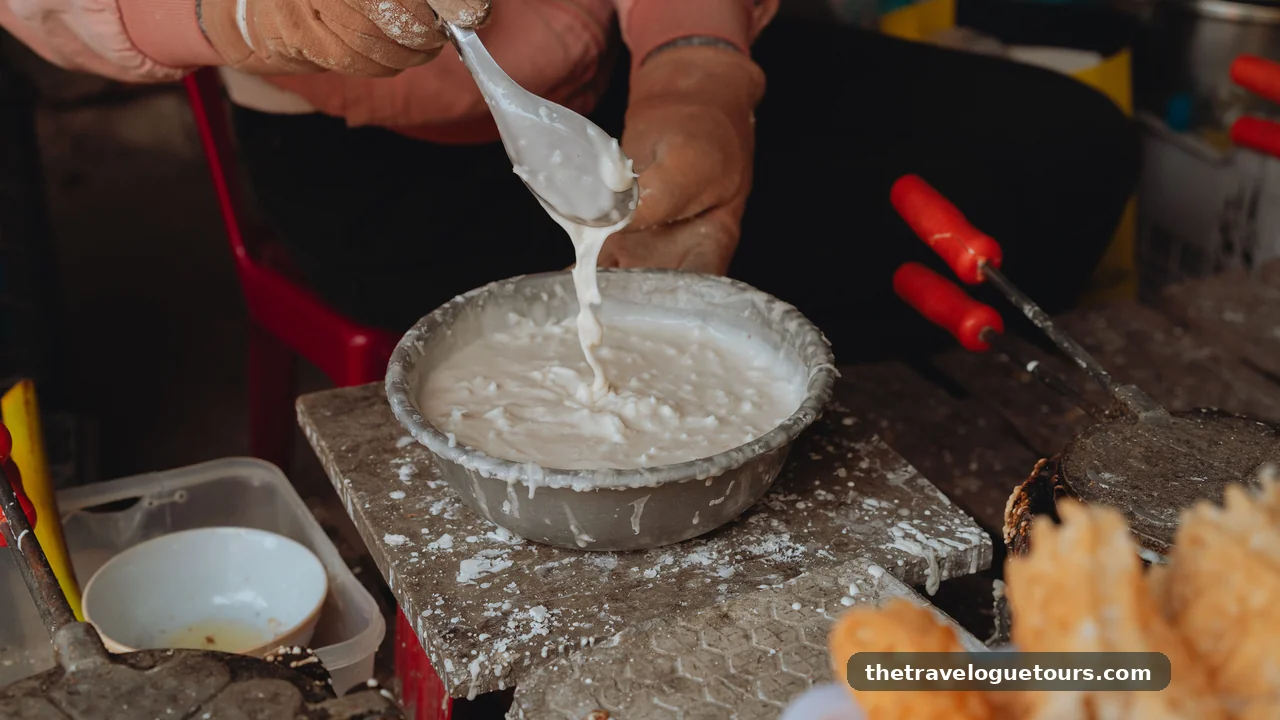
Malaysia eats like three countries at once. Malay, Chinese, and Indian kitchens share the same hawker centres, and you can travel the world without leaving one food court.
Start with nasi lemak, coconut rice with sambal, anchovies, peanuts, and boiled egg, the breakfast Malaysians fiercely debate. For lunch, hunt char kway teow, smoky flat noodles with prawns and cockles kissed by wok hei, the breath of the wok.
At night, order roti canai, flaky flatbread stretched by hand and dipped in dhal curry, with teh tarik, sweet milk tea poured between two mugs. Find it all on Jalan Alor in Kuala Lumpur, or Gurney Drive in Penang, the hawker capital.
If this mix of cultures on one plate hooks you, read our guide to the best cities for food lovers around the world next. It covers more cities where every bite tells a story.
Etiquette tip for Malaysia. Many Muslim Malays eat with the right hand only, so do the same when you try it. Wash your hands at the stall sink first, and never pass food with your left hand.
Indonesia: Spice, Smoke, and Sweet Tea
Indonesia is an archipelago of thousands of islands united by spice, deep, layered, and unapologetic. If Thailand flirts with heat, Indonesia commits to it.
Learn nasi goreng first, fried rice with sweet soy sauce and a fried egg, with every region adding its own twist. Then find sate, skewers grilled over coconut husk coals with thick sweet peanut sauce. In Yogyakarta, try sate klatak, goat satay with nothing but salt and smoke.
Finish with bakso, springy beef meatball soup sold from carts with a distinctive knock. Jakarta’s Jalan Sabang comes alive after dark with grills, and Yogyakarta’s Malioboro Street is a moving feast. In Bali, eat at a warung, a family stall, at least once.
Safety tip for Indonesia. Stick to bottled or filtered water, and skip ice at the roughest stalls. Our complete guide to staying healthy while traveling covers water, street food, and travel insurance in one place.
The Philippines: Joy You Can Taste
Filipino food is the region’s best kept secret, bold, comforting, and built for sharing. No Filipino eats alone if they can help it. Come hungry and make friends at the table.
Adobo defines the country, chicken or pork braised in vinegar, soy sauce, garlic, and bay leaves, with every family claiming the true recipe. For celebrations, nothing beats lechon, whole roasted pig with shattering crisp skin, best in Cebu with spiced vinegar.
Save room for halo-halo, shaved ice with milk, sweet beans, purple ube, leche flan, and coconut, chaos that tastes like a party. Try it in Manila’s Binondo, the world’s oldest Chinatown, or near Cebu’s port markets late at night.
Best of all, the Philippines is one of the best countries for budget travelers in Asia. Street feasts cost little, and the welcome is free.
Etiquette tip for the Philippines. When someone says kain tayo, let’s eat, the polite move is to join them. Sharing food is how friendships start here, so say yes, take a plate, and you are family.
How to Eat Street Food Without the Worry
Every first timer asks if street food is safe. The honest answer: the busiest stalls are often safer than empty restaurants, because high turnover means fresh ingredients cooked to order in front of you.
Pick stalls with a local crowd, watch your food being cooked, and eat it steaming hot. Carry hand sanitizer where sinks are missing, and peel fruit yourself. These four habits prevent almost every bad story.
Go easy on spice for two days, drink bottled water, and be cautious with ice outside big cities. Trust the smoke, the crowd, and your nose, and you will eat brilliantly.
Street Food FAQ
Is street food in Southeast Asia safe for first-time visitors?
Yes, with a few smart habits. Eat at busy stalls where locals queue, make sure your food is cooked fresh and served hot, and carry hand sanitizer. Most travelers eat street food daily with zero problems.
How much does street food cost in Southeast Asia?
Expect one to three dollars per dish in most cities, and even less at local markets. A full day of eating, three meals plus snacks and fresh juice, often costs under fifteen dollars. Your biggest expense will be the flight.
What should I do if I cannot handle spicy food?
Learn one phrase per country, like mai phet in Thailand or khong cay in Vietnam, to ask for mild. Vendors are used to tourists and will happily tone it down. Coconut based dishes, noodle soups, and grilled skewers are naturally gentle starting points.
Do I need to tip street food vendors?
Tipping is not expected at street stalls anywhere in the region. Prices are fixed and rounding up the bill is already generous. A smile and a thank you in the local language is the best tip you can give.
What is the one dish I should not miss in Southeast Asia?
If you must pick one, make it pho in Vietnam or pad thai in Thailand, the two dishes that define the region. But honestly, the dish you stumble on by accident at a crowded night market will be the one you remember forever.
Here is the truth no guidebook tells you. The best meal of your trip will probably cost less than your airport coffee. It will arrive on a plastic plate and be remembered for years.
So book the ticket, pack your appetite, and eat across Southeast Asia one bite at a time. The woks are hot and the stools are out. Your seat at the plastic table is ready.




25 Comments